Introduction
In This Chapter:
In today's rapidly evolving technological landscape, artificial intelligence has emerged as a transformative force reshaping industries, business models, and organizational structures. As AI transitions from experimental technology to strategic imperative, organizations face the challenge of effectively integrating these capabilities into their operations and strategy. This integration requires specialized leadership that understands both the technical complexities of AI and its business implications—a need that has given rise to the Chief AI Officer (CAIO) role.
The CAIO represents a new addition to the executive suite, focused specifically on harnessing artificial intelligence as a strategic capability. This leadership position bridges the gap between technical implementation and business value creation, ensuring that AI initiatives align with organizational objectives and deliver measurable returns. As AI becomes increasingly central to competitive advantage, the CAIO role has evolved from a novelty to a necessity for many forward-thinking organizations.
Purpose of This Guide
This comprehensive guide serves as a definitive resource for understanding the Chief AI Officer role in all its dimensions. Whether you are a current CAIO seeking to enhance your effectiveness, an executive considering establishing this position, or a professional aspiring to this leadership role, this guide provides practical insights, frameworks, and strategies for successful AI leadership.
Throughout these chapters, we explore the multifaceted responsibilities of the CAIO, the essential skills and qualifications required for success, and the organizational impact of this emerging leadership function. We examine implementation strategies that enable effective AI adoption, address common challenges and their solutions, and provide practical tools and resources for AI governance and value creation.
By combining strategic perspective with practical guidance, this guide aims to equip readers with the knowledge needed to navigate the complex landscape of AI leadership. The insights provided reflect both established best practices and emerging trends, offering a comprehensive view of how organizations can effectively structure and leverage the CAIO role.
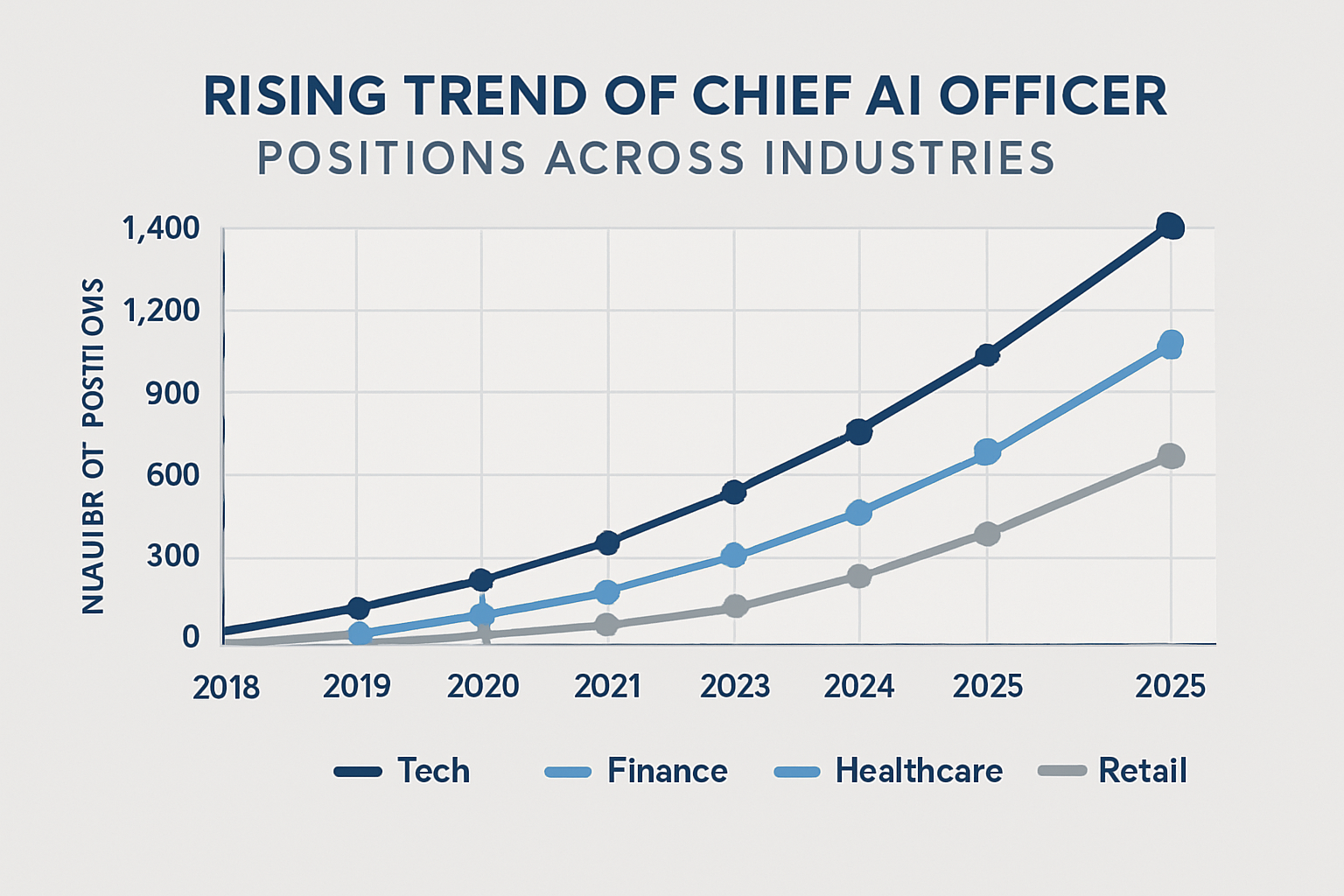
Figure I.1: The rising trend of Chief AI Officer positions across industries, 2018-2025
The Evolving AI Leadership Landscape
The emergence of the CAIO role reflects broader shifts in how organizations approach technology leadership. Traditionally, technology functions were consolidated under the Chief Information Officer (CIO) or Chief Technology Officer (CTO), with specialized roles emerging as particular technologies gained strategic importance. We've seen this pattern with the rise of positions such as Chief Digital Officer, Chief Data Officer, and now the Chief AI Officer.
This evolution reflects the increasing recognition that artificial intelligence represents not merely another technology tool but a fundamental capability that can transform business models, customer experiences, operational processes, and competitive dynamics. The specialized nature of AI—combining advanced mathematics, computer science, domain expertise, and strategic thinking—creates the need for dedicated leadership that can navigate both technical complexities and business implications.
The CAIO role continues to evolve as AI itself matures and organizations gain implementation experience. Early CAIOs often focused primarily on establishing initial AI capabilities and proof-of-concept applications. As the field has matured, the role has expanded to encompass enterprise-wide strategy, governance frameworks, ethical considerations, and systematic value creation. This evolution reflects AI's transition from experimental technology to core business capability.
Different organizations have implemented the CAIO role in various ways, reflecting their specific industry contexts, strategic priorities, and existing leadership structures. Some position the CAIO as a peer to the CIO and CTO, while others place the role under these traditional technology leaders. Some emphasize the CAIO's strategic and transformational aspects, while others focus more on technical implementation and governance. This diversity of approaches highlights the flexible nature of the role and the importance of tailoring it to organizational needs.
Who Should Read This Guide
This guide is designed for several key audiences who engage with AI leadership in different capacities:
Current Chief AI Officers will find frameworks, best practices, and strategies to enhance their effectiveness in this evolving role. The comprehensive coverage of responsibilities, organizational models, governance approaches, and implementation methodologies provides practical guidance for addressing common challenges and maximizing impact.
Executives considering establishing a CAIO position will gain insights into how this role can create value within their specific organizational context. The discussions of reporting relationships, responsibility boundaries, and success factors help inform decisions about how to structure and position this leadership function effectively.
Professionals aspiring to AI leadership roles will understand the skills, experiences, and perspectives needed for success in this emerging field. The detailed examination of technical, business, and leadership capabilities provides a roadmap for professional development and career progression.
C-suite executives working with CAIOs will learn how to effectively collaborate with and support this specialized leadership function. Understanding the unique challenges and opportunities of AI implementation enables more productive partnerships across the executive team.
Board members overseeing AI initiatives will develop a clearer understanding of governance considerations, risk factors, and strategic implications of artificial intelligence. This knowledge supports more effective oversight and strategic guidance for organizations investing in AI capabilities.
How to Use This Guide
This guide is structured to support both comprehensive reading and targeted reference, allowing readers to engage with the content in ways that best meet their specific needs:
For those seeking a complete understanding of the CAIO role, reading the chapters sequentially provides a logical progression from foundational concepts through implementation approaches to future directions. This comprehensive approach builds a holistic understanding of AI leadership in all its dimensions.
For those with specific interests or immediate challenges, individual chapters can be consulted independently to address particular aspects of the role. The detailed table of contents and cross-references help navigate to relevant sections quickly.
Throughout the guide, practical frameworks, assessment tools, and implementation templates provide actionable resources that can be adapted to specific organizational contexts. These tools support the translation of concepts into practical application.
Case studies and examples illustrate how different organizations have approached AI leadership, providing concrete illustrations of abstract principles and highlighting diverse implementation approaches across industries and contexts.
The appendices offer additional resources, including sample job descriptions, governance frameworks, assessment questionnaires, and curated external references that complement the main content and support deeper exploration of specific topics.
The Journey Ahead
As we embark on this exploration of the Chief AI Officer role, it's important to recognize that artificial intelligence leadership continues to evolve rapidly. The frameworks, practices, and organizational models discussed in this guide represent current understanding and experience, which will undoubtedly continue to develop as AI technologies mature and implementation experience accumulates.
Effective CAIOs maintain a learning orientation, continuously refining their approaches based on emerging technologies, evolving best practices, and their organization's specific experiences. This guide provides a foundation for that ongoing learning journey, offering structured insights while acknowledging the dynamic nature of the field.
The chapters that follow examine the multifaceted dimensions of AI leadership, from strategic vision to practical implementation, from technical expertise to organizational change management. Together, they provide a comprehensive view of what it means to lead artificial intelligence initiatives in today's complex business environment.
By understanding the full scope and potential of the CAIO role, organizations can more effectively harness artificial intelligence as a transformative capability that creates sustainable competitive advantage and meaningful business value. This guide serves as a roadmap for that journey, offering insights and guidance for navigating the challenges and opportunities of AI leadership.