Chapter 8: Future Trends for the CAIO Role
In This Chapter:
- Technological Evolution and Its Impact on the CAIO Role
- Organizational Evolution of AI Leadership
- Evolving Regulatory Landscape and Governance Requirements
- Talent Ecosystem and Capability Development
- Business Model Innovation and Value Creation
- Preparing for Future Challenges and Opportunities
- Conclusion
The Chief AI Officer role continues to evolve rapidly as artificial intelligence technologies mature, organizational adoption deepens, and the broader business and regulatory environment changes. This chapter examines key trends that will shape the future of the CAIO role, providing forward-looking insights to help current and aspiring AI leaders prepare for emerging challenges and opportunities. While predicting the future with certainty is impossible, clear patterns are emerging that will influence how the CAIO role develops over the next three to five years.
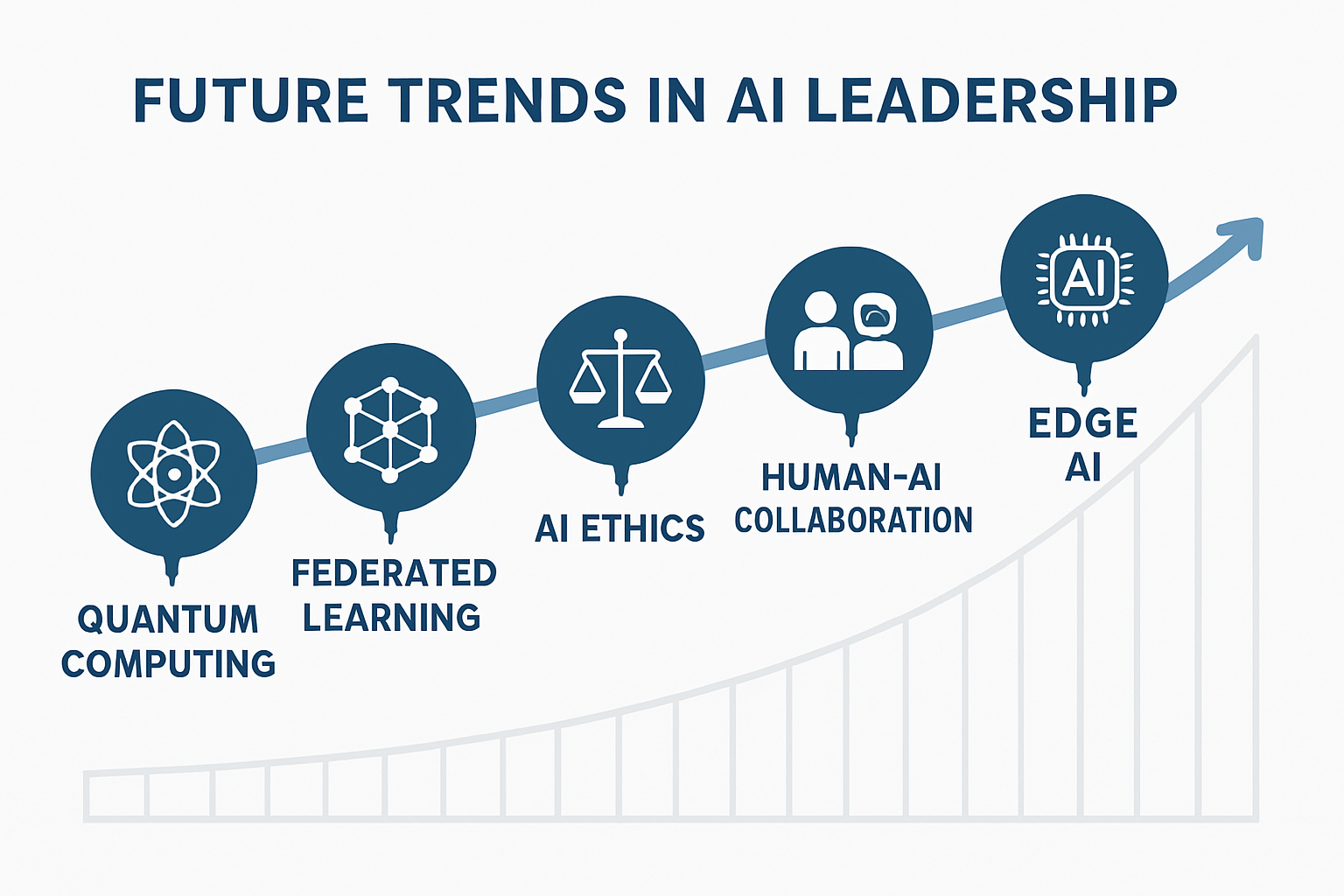
Figure 8.1: Key trends shaping the future of AI leadership roles
Technological Evolution and Its Impact on the CAIO Role
Rapid technological advancement continues to reshape the AI landscape, with several key developments likely to significantly impact the CAIO role in coming years.
Foundation Models and Their Organizational Implications
The emergence of large-scale foundation models represents a fundamental shift in the AI development paradigm, with significant implications for organizational strategy and implementation approaches. These models, trained on vast datasets and capable of being fine-tuned for specific applications, are changing how organizations approach AI development and deployment.
Strategic Implications for CAIOs:
- Build vs. Buy Recalibration: Foundation models are shifting the build vs. buy calculation for many organizations, with increasing emphasis on adaptation and fine-tuning of existing models rather than building from scratch. CAIOs will need to develop sophisticated approaches for evaluating when to leverage external models versus developing proprietary capabilities.
- Vendor Strategy Evolution: The foundation model ecosystem is creating new types of strategic vendors and partnerships. CAIOs will need to develop comprehensive strategies for engaging with model providers, including considerations around data sharing, customization capabilities, and intellectual property.
- Capability Democratization: Foundation models are democratizing access to sophisticated AI capabilities, enabling smaller organizations and those with limited technical resources to implement advanced applications. This will require CAIOs to focus increasingly on business innovation and value creation rather than technical implementation.
- Ethical and Risk Considerations: Foundation models introduce new ethical and risk considerations, including potential biases embedded in training data, intellectual property questions, and security vulnerabilities. CAIOs will need to develop comprehensive governance approaches specifically addressing these models.
As foundation models continue to evolve, CAIOs will need to balance the opportunities they present for accelerated implementation with careful consideration of their limitations and risks. Organizations that develop sophisticated approaches for leveraging these models while maintaining appropriate governance will gain significant competitive advantage.
Multimodal AI and Its Applications
Advances in multimodal AI—systems that can process and generate multiple types of data including text, images, audio, and video—are creating new application possibilities and implementation considerations. These capabilities are enabling more natural and comprehensive interactions between humans and AI systems.
Strategic Implications for CAIOs:
- Experience Transformation: Multimodal capabilities enable fundamentally different user experiences, moving beyond text-based interfaces to more natural interactions. CAIOs will need to collaborate closely with experience design teams to reimagine interactions across customer and employee touchpoints.
- Content Strategy Evolution: The ability to generate and analyze multiple content types requires organizations to develop comprehensive content strategies spanning different modalities. CAIOs will need to work with marketing, communications, and product teams to establish appropriate governance and quality standards.
- Data Strategy Expansion: Multimodal AI requires organizations to develop capabilities for managing, processing, and governing diverse data types. CAIOs will need to expand data strategies beyond structured and text data to encompass images, audio, video, and other modalities.
- Ethical Framework Enhancement: Multimodal capabilities introduce new ethical considerations, particularly around synthetic media, potential misrepresentation, and privacy implications. CAIOs will need to enhance ethical frameworks to address these emerging challenges.
As multimodal capabilities continue to mature, CAIOs will need to help their organizations reimagine processes and experiences that have traditionally been constrained by single-modality limitations. Organizations that effectively leverage these capabilities will create more natural and engaging experiences for both customers and employees.
AI-Specific Hardware and Infrastructure
The development of specialized hardware and infrastructure optimized for AI workloads continues to accelerate, creating both opportunities and strategic considerations for organizations implementing AI at scale.
Strategic Implications for CAIOs:
- Infrastructure Strategy: The proliferation of AI-specific hardware options requires organizations to develop comprehensive infrastructure strategies that balance performance, cost, flexibility, and vendor considerations. CAIOs will need to work closely with infrastructure teams to establish appropriate approaches.
- Edge-Cloud Balance: Advances in edge computing capabilities are enabling new deployment models that combine cloud-based training with edge-based inference. CAIOs will need to develop sophisticated approaches for determining optimal workload placement across this continuum.
- Energy and Sustainability: The significant energy requirements of advanced AI systems are creating both cost pressures and sustainability challenges. CAIOs will increasingly need to consider environmental impact alongside performance and cost in infrastructure decisions.
- Vendor Ecosystem Management: The complex ecosystem of hardware providers, cloud platforms, and specialized AI infrastructure companies requires sophisticated vendor management approaches. CAIOs will need to develop strategies that maintain flexibility while leveraging strategic partnerships.
As AI-specific infrastructure continues to evolve, CAIOs will need to balance technical optimization with business considerations, developing approaches that provide necessary performance while maintaining appropriate cost structures and sustainability profiles.
Human-AI Collaboration Paradigms
The evolution of human-AI collaboration models is creating new possibilities for augmenting human capabilities rather than simply automating existing tasks. These approaches focus on combining human and artificial intelligence to achieve outcomes neither could accomplish independently.
Strategic Implications for CAIOs:
- Work Redesign: Effective human-AI collaboration requires fundamental redesign of work processes rather than simply inserting AI into existing workflows. CAIOs will need to partner with business and HR leaders to reimagine how work is structured and performed.
- Interface Evolution: Creating effective collaboration requires sophisticated interfaces that enable natural interaction between humans and AI systems. CAIOs will need to prioritize user experience design as a critical success factor rather than treating it as an afterthought.
- Trust and Adoption: Successful collaboration depends on appropriate levels of trust between human and artificial intelligence components. CAIOs will need to develop approaches that build warranted trust while avoiding both over-reliance and under-utilization.
- Skill Development: Effective collaboration requires humans to develop new skills for working productively with AI systems. CAIOs will need to partner with learning and development functions to create appropriate training and development programs.
As human-AI collaboration paradigms continue to evolve, CAIOs will need to help their organizations move beyond simplistic automation mindsets to embrace more sophisticated approaches that leverage the complementary strengths of human and artificial intelligence.
Organizational Evolution of AI Leadership
The organizational positioning and scope of AI leadership continues to evolve as AI becomes increasingly central to business strategy and operations. Several key trends are emerging in how organizations structure and position AI leadership roles.
Integration with Business Strategy
AI leadership is becoming increasingly integrated with broader business strategy rather than being positioned primarily as a technical function. This evolution reflects growing recognition of AI as a strategic capability rather than simply a technology implementation.
Emerging Patterns:
- Strategic Reporting Relationships: CAIOs are increasingly reporting to CEOs or other strategic executives rather than being positioned within IT organizations. This shift reflects recognition of AI as a business capability rather than a technology function.
- Board Engagement: AI strategy and governance is becoming a regular board-level topic, with CAIOs increasingly presenting directly to boards on both opportunities and risks. This elevation reflects the strategic importance and potential impact of AI investments.
- Strategic Planning Integration: AI strategy is becoming integrated with broader strategic planning processes rather than being developed separately. This integration ensures alignment between AI investments and core business priorities.
- Business Outcome Focus: Performance evaluation for AI leaders is increasingly focused on business outcomes rather than technical implementation metrics. This shift emphasizes value creation rather than capability building.
As this integration continues, CAIOs will need to develop stronger business acumen and strategic thinking capabilities alongside technical expertise. The most effective AI leaders will combine deep understanding of technological possibilities with sophisticated business judgment.
Federated Operating Models
Organizations are increasingly adopting federated operating models for AI that balance centralized strategy and governance with distributed implementation and innovation. These approaches recognize the need for both enterprise consistency and business unit responsiveness.
Emerging Patterns:
- Hub-and-Spoke Structures: Organizations are implementing hub-and-spoke models with central AI functions providing strategy, governance, and shared capabilities while business unit teams focus on specific applications. These structures balance consistency with responsiveness.
- Capability Distribution: As AI maturity increases, organizations are distributing certain capabilities to business units while maintaining others centrally. This evolution creates more nuanced operating models that reflect different capability types.
- Community Development: Organizations are creating formal communities of practice that connect AI practitioners across business units, enabling knowledge sharing while maintaining distributed implementation. These communities provide coordination without requiring centralization.
- Governance Evolution: Governance approaches are becoming more sophisticated, with tiered models that apply different levels of oversight based on risk profiles and strategic importance. This evolution balances appropriate control with implementation velocity.
As federated models continue to evolve, CAIOs will need to develop sophisticated approaches for balancing centralization and distribution, creating operating models that provide appropriate governance while enabling innovation and responsiveness.
Convergence with Data Leadership
AI and data leadership roles are increasingly converging as organizations recognize the fundamental connection between data strategy and AI capabilities. This convergence reflects the critical dependency of AI success on data quality, accessibility, and governance.
Emerging Patterns:
- Integrated Leadership Roles: Organizations are increasingly creating integrated roles that combine responsibility for both data and AI strategy, such as Chief Data and AI Officer positions. These roles recognize the inseparable relationship between these domains.
- Unified Governance: Data and AI governance mechanisms are being integrated into comprehensive frameworks rather than being managed separately. This integration ensures consistent approaches across related domains.
- Lifecycle Integration: Organizations are developing integrated lifecycle approaches that connect data management and AI development rather than treating them as separate processes. These approaches recognize the iterative relationship between these activities.
- Shared Infrastructure: Technical infrastructure for data management and AI workloads is increasingly being planned and implemented holistically rather than as separate capabilities. This integration improves efficiency and effectiveness.
As this convergence continues, CAIOs will need to develop deeper expertise in data strategy, governance, and management alongside AI-specific knowledge. The most effective leaders will address these domains holistically rather than treating them as separate concerns.
Evolution Beyond Dedicated Roles
In some organizations, dedicated AI leadership roles are evolving toward integration within broader digital or business leadership positions as AI becomes a mainstream capability rather than a specialized function.
Emerging Patterns:
- Integration with Digital Leadership: Some organizations are integrating AI leadership responsibilities within broader digital leadership roles rather than maintaining separate positions. This integration reflects the interconnected nature of digital capabilities.
- Business Function Embedding: AI leadership responsibilities are increasingly being embedded within business function leadership roles as AI becomes integral to those functions. This embedding ensures close alignment with business priorities.
- Distributed Expertise: As AI literacy increases across leadership teams, some organizations are distributing AI leadership responsibilities rather than concentrating them in dedicated roles. This distribution reflects growing capability maturity.
- Advisory Models: Some organizations are shifting from executive AI leadership roles to advisory models that provide expertise to business leaders who maintain primary responsibility. These approaches emphasize business ownership with specialized support.
While this evolution is occurring in some organizations, it remains highly context-dependent, with many continuing to see value in dedicated AI leadership roles. The appropriate approach depends on organizational maturity, strategic importance of AI, and broader leadership structure.
Figure 8.2: Organizational evolution of AI leadership roles
Evolving Regulatory Landscape and Governance Requirements
The regulatory environment for AI continues to develop rapidly, with significant implications for how organizations govern and implement AI capabilities. Several key trends are emerging in this domain.
Comprehensive Regulatory Frameworks
Jurisdictions around the world are developing increasingly comprehensive regulatory frameworks specifically addressing AI development and deployment. These frameworks are moving beyond general principles to establish specific requirements and enforcement mechanisms.
Strategic Implications for CAIOs:
- Compliance Program Development: Organizations will need to establish comprehensive compliance programs specifically addressing AI regulations rather than relying on general compliance approaches. CAIOs will need to partner with legal and compliance functions to develop appropriate mechanisms.
- Cross-Jurisdictional Complexity: The emergence of different regulatory approaches across jurisdictions creates significant complexity for global organizations. CAIOs will need to develop strategies for navigating these variations while maintaining operational efficiency.
- Documentation Requirements: Emerging regulations typically include extensive documentation requirements regarding development processes, testing approaches, and risk assessments. CAIOs will need to establish systematic documentation practices integrated with development workflows.
- Regulatory Engagement: As regulatory frameworks continue to evolve, organizations have opportunities to shape their development through active engagement. CAIOs will increasingly need to participate in policy discussions and formal consultation processes.
As regulatory frameworks mature, CAIOs will need to develop sophisticated approaches that ensure compliance while maintaining innovation velocity. Organizations that establish effective compliance mechanisms will gain competitive advantage through reduced regulatory risk and increased stakeholder trust.
Risk-Based Governance Approaches
Organizations are increasingly adopting risk-based governance approaches that apply different levels of oversight and control based on application characteristics and potential impact. These approaches balance appropriate risk management with implementation efficiency.
Strategic Implications for CAIOs:
- Risk Classification Frameworks: Organizations need to develop sophisticated frameworks for classifying AI applications based on risk profiles, considering factors like autonomy level, potential impact, and application domain. CAIOs will need to establish these frameworks in collaboration with risk and compliance functions.
- Tiered Governance Processes: Based on risk classifications, organizations should implement tiered governance processes that apply different levels of oversight and control. CAIOs will need to design processes that provide appropriate scrutiny without creating unnecessary friction.
- Continuous Monitoring: Risk profiles may change over time as applications evolve or operating contexts shift. CAIOs will need to establish continuous monitoring mechanisms rather than relying solely on point-in-time assessments.
- Governance Integration: AI governance should be integrated with broader organizational governance rather than operating as a separate mechanism. CAIOs will need to work with enterprise risk functions to ensure appropriate integration.
As risk-based approaches continue to evolve, CAIOs will need to balance rigorous risk management with practical implementation considerations. Organizations that develop sophisticated approaches will be able to focus governance resources on high-risk applications while enabling faster implementation for lower-risk use cases.
Transparency and Explainability Requirements
Both regulatory frameworks and stakeholder expectations are creating increasing requirements for transparency and explainability in AI systems. These requirements reflect growing recognition of the importance of understanding and validating AI-driven decisions.
Strategic Implications for CAIOs:
- Technical Approach Selection: Different AI approaches offer varying levels of inherent explainability. CAIOs will need to develop frameworks for selecting appropriate technical approaches based on explainability requirements for specific applications.
- Explanation Design: Creating effective explanations requires careful design that balances technical accuracy with understandability for different stakeholders. CAIOs will need to work with experience design teams to develop appropriate explanation approaches.
- Documentation Standards: Organizations need comprehensive documentation standards that capture development processes, data characteristics, and model properties. CAIOs will need to establish these standards and ensure their consistent application.
- Stakeholder Education: Effective transparency requires stakeholders to have sufficient understanding to interpret explanations appropriately. CAIOs will need to develop educational approaches for different stakeholder groups.
As transparency requirements continue to evolve, CAIOs will need to develop sophisticated approaches that provide meaningful explanations while protecting intellectual property and maintaining system performance. Organizations that establish effective transparency mechanisms will build greater trust with customers, employees, and regulators.
Ethical Framework Maturation
Organizational ethical frameworks for AI are becoming increasingly sophisticated, moving beyond high-level principles to establish specific implementation practices and governance mechanisms. This maturation reflects growing recognition of the importance of ethical considerations in AI development and deployment.
Strategic Implications for CAIOs:
- Operationalization Approaches: Organizations need to translate ethical principles into specific operational practices that guide development and implementation. CAIOs will need to work with ethics functions to create these practical translations.
- Assessment Methodologies: Evaluating alignment with ethical principles requires systematic assessment approaches. CAIOs will need to develop methodologies that enable consistent evaluation across different applications.
- Governance Integration: Ethical considerations should be integrated with broader governance processes rather than being addressed separately. CAIOs will need to ensure that ethical assessment is embedded within standard development and approval workflows.
- Stakeholder Engagement: Effective ethical frameworks require input from diverse stakeholders to ensure comprehensive perspective. CAIOs will need to establish mechanisms for ongoing stakeholder engagement in ethical framework development and application.
As ethical frameworks continue to mature, CAIOs will need to balance philosophical considerations with practical implementation requirements. Organizations that develop sophisticated approaches will be better positioned to navigate complex ethical challenges while maintaining stakeholder trust.
Talent Ecosystem and Capability Development
The AI talent landscape continues to evolve rapidly, with significant implications for how organizations build and maintain necessary capabilities. Several key trends are emerging in this domain.
Skill Profile Evolution
The skill profiles required for effective AI implementation are evolving as technologies mature and organizational focus shifts from technical development to business application. This evolution is creating new capability requirements and changing talent strategies.
Strategic Implications for CAIOs:
- Hybrid Skill Emphasis: Organizations increasingly need professionals who combine technical understanding with domain expertise and business acumen. CAIOs will need to develop talent strategies that cultivate these hybrid skill profiles rather than focusing exclusively on technical depth.
- Prompt Engineering Emergence: The growth of foundation models is creating demand for prompt engineering skills that enable effective utilization of these models. CAIOs will need to develop approaches for building these capabilities within their organizations.
- Implementation Focus: As packaged AI solutions and development platforms mature, skill requirements are shifting from fundamental algorithm development toward effective implementation and integration. CAIOs will need to adjust talent strategies to reflect this evolution.
- Ethical Competency: Growing emphasis on responsible AI is creating demand for professionals with sophisticated understanding of ethical considerations and governance approaches. CAIOs will need to ensure their teams develop these competencies alongside technical skills.
As skill profiles continue to evolve, CAIOs will need to regularly reassess capability requirements and adjust talent strategies accordingly. Organizations that anticipate these shifts will be better positioned to build necessary capabilities ahead of competitors.
Talent Strategy Diversification
Organizations are increasingly adopting diversified talent strategies that combine multiple approaches rather than relying exclusively on direct hiring of specialized expertise. This diversification reflects both practical necessity given talent scarcity and strategic choice to create more sustainable capability models.
Strategic Implications for CAIOs:
- Internal Development: Organizations are placing greater emphasis on developing AI capabilities within existing workforces rather than relying exclusively on external hiring. CAIOs will need to work with learning and development functions to create effective upskilling programs.
- Partner Ecosystem: Strategic partnerships with technology providers, consulting firms, and specialized AI companies are becoming increasingly important components of talent strategies. CAIOs will need to develop sophisticated approaches for managing these relationships effectively.
- Academic Collaboration: Relationships with academic institutions provide access to cutting-edge research and emerging talent. CAIOs will need to establish structured collaboration models that create mutual value rather than transactional relationships.
- Distributed Capability: Organizations are increasingly distributing AI capabilities across business functions rather than concentrating them in specialized teams. CAIOs will need to develop approaches for supporting these distributed capabilities while maintaining quality and consistency.
As talent strategies continue to diversify, CAIOs will need to develop sophisticated approaches for orchestrating these different elements into coherent capability models. Organizations that effectively combine multiple approaches will create more sustainable capabilities than those relying on single strategies.
Organizational Capability Building
Beyond individual skills, organizations are focusing increasingly on building broader organizational capabilities that enable effective AI implementation and value realization. This focus reflects recognition that successful AI adoption requires more than just technical expertise.
Strategic Implications for CAIOs:
- Leadership Development: Organizations need leaders across functions who understand AI possibilities and limitations sufficiently to identify opportunities and guide implementation. CAIOs will need to work with leadership development functions to create appropriate educational programs.
- Change Management: Effective AI implementation requires sophisticated change management capabilities to address workflow modifications, role changes, and potential concerns. CAIOs will need to ensure their organizations develop these capabilities alongside technical skills.
- Process Integration: Organizations need capabilities for effectively integrating AI into existing processes rather than creating parallel operations. CAIOs will need to work with process excellence functions to develop these integration capabilities.
- Value Realization: Capturing value from AI investments requires specific capabilities for measuring impact and ensuring benefits are actually realized. CAIOs will need to help their organizations develop these capabilities to maximize return on AI investments.
As organizational capability building continues to evolve, CAIOs will need to take broader perspective beyond technical team development. Organizations that build these broader capabilities will achieve greater value from their AI investments than those focusing exclusively on technical implementation.
Ethical and Responsible AI Expertise
Growing emphasis on ethical and responsible AI is creating demand for specialized expertise in these domains. This trend reflects both regulatory requirements and organizational recognition of the importance of addressing these considerations effectively.
Strategic Implications for CAIOs:
- Specialized Roles: Organizations are creating dedicated roles focused specifically on ethical and responsible AI considerations. CAIOs will need to determine appropriate organizational structures for these specialized functions.
- Interdisciplinary Expertise: Effective ethical assessment requires combination of technical understanding with expertise from domains like philosophy, law, and social science. CAIOs will need to build teams that incorporate these diverse perspectives.
- Governance Capability: Organizations need specific capabilities for governing AI development and deployment from ethical perspective. CAIOs will need to ensure their organizations develop these governance capabilities alongside implementation skills.
- External Engagement: Addressing ethical considerations effectively often requires engagement with external stakeholders and experts. CAIOs will need to establish mechanisms for incorporating these external perspectives into organizational approaches.
Figure 8.3: Evolution of AI talent and capability requirements
As ethical and responsible AI expertise continues to develop, CAIOs will need to ensure their organizations build appropriate capabilities in these domains. Organizations that develop sophisticated approaches will be better positioned to navigate complex ethical challenges while maintaining stakeholder trust.
Business Model Innovation and Value Creation
AI is increasingly enabling fundamental business model innovation rather than simply improving existing operations. Several key trends are emerging in how organizations leverage AI for strategic value creation.
Product and Service Transformation
Organizations across industries are using AI to fundamentally transform their products and services, creating new value propositions and customer experiences rather than simply enhancing existing offerings.
Strategic Implications for CAIOs:
- Embedded Intelligence: Products and services are increasingly incorporating embedded AI capabilities that enable new functionality and value propositions. CAIOs will need to work closely with product development functions to identify and implement these opportunities.
- Experience Reimagination: AI enables fundamentally different customer experiences that were previously impossible due to technical or economic constraints. CAIOs will need to collaborate with experience design teams to reimagine possibilities rather than simply enhancing existing approaches.
- Personalization at Scale: Advanced AI capabilities enable unprecedented levels of personalization across customer interactions. CAIOs will need to help their organizations develop sophisticated approaches that balance personalization with privacy and ethical considerations.
- Continuous Evolution: AI-enhanced products and services can evolve continuously based on usage data and emerging capabilities. CAIOs will need to help their organizations develop product management approaches appropriate for these dynamic offerings.
As product and service transformation continues, CAIOs will need to work closely with business leaders to identify opportunities for fundamental innovation rather than incremental improvement. Organizations that reimagine their offerings will create greater differentiation than those focusing solely on operational enhancement.
Ecosystem and Platform Strategies
AI is enabling new ecosystem and platform strategies that create value through network effects and data aggregation rather than traditional linear value chains. These approaches often represent fundamental business model shifts rather than operational improvements.
Strategic Implications for CAIOs:
- Platform Development: Organizations are increasingly creating AI-powered platforms that connect multiple participants and create value through network effects. CAIOs will need to help their organizations develop the technical foundations and governance approaches necessary for successful platform strategies.
- Data Network Effects: AI capabilities can create powerful data network effects where services improve as user numbers increase. CAIOs will need to help their organizations design data strategies that capture these effects while addressing privacy and ethical considerations.
- Partnership Models: Ecosystem strategies require sophisticated partnership approaches that balance value creation with value capture. CAIOs will need to work with business development functions to create appropriate models for data sharing and capability integration.
- Governance Frameworks: Successful ecosystems require governance frameworks that establish rules of engagement while enabling innovation. CAIOs will need to help their organizations develop these frameworks to balance control with openness.
As ecosystem and platform strategies continue to evolve, CAIOs will need to help their organizations navigate the technical, business, and governance challenges they present. Organizations that develop sophisticated approaches will create more sustainable competitive advantage than those maintaining traditional business models.
Data Monetization and Valuation
Organizations are developing increasingly sophisticated approaches for creating value from data assets, moving beyond internal utilization to external monetization and strategic valuation. These approaches often represent new business models alongside existing revenue streams.
Strategic Implications for CAIOs:
- Monetization Models: Organizations are developing various models for creating value from data assets, including direct licensing, insights products, and enhanced service offerings. CAIOs will need to help their organizations identify appropriate models for their specific contexts.
- Valuation Approaches: Data assets are increasingly being recognized as strategic assets with specific valuation implications. CAIOs will need to work with finance functions to develop appropriate approaches for valuing these assets in business decisions.
- Privacy and Compliance: Data monetization strategies must navigate complex privacy regulations and ethical considerations. CAIOs will need to ensure their organizations develop approaches that maintain compliance and stakeholder trust.
- Competitive Positioning: Data assets can create significant competitive advantage through both direct monetization and enhanced capabilities. CAIOs will need to help their organizations develop strategies that leverage these assets for strategic positioning.
As data monetization and valuation approaches continue to mature, CAIOs will need to help their organizations develop sophisticated strategies that balance revenue generation with privacy considerations and long-term strategic value. Organizations that develop these capabilities will create additional value streams while enhancing their competitive positioning.
Organizational Boundary Evolution
AI is enabling evolution of traditional organizational boundaries, creating new possibilities for what activities organizations perform internally versus externally. These shifts often represent fundamental business model changes rather than operational improvements.
Strategic Implications for CAIOs:
- Value Chain Reconfiguration: AI capabilities enable organizations to reconsider which activities they perform internally versus through partners or market mechanisms. CAIOs will need to help their organizations evaluate these possibilities from both technical and strategic perspectives.
- Capability Extension: AI enables organizations to extend into adjacent domains that were previously inaccessible due to capability or economic constraints. CAIOs will need to help their organizations identify and evaluate these extension opportunities.
- Collaboration Models: New forms of collaboration are emerging that blur traditional organizational boundaries, enabled by AI capabilities for coordination and integration. CAIOs will need to help their organizations develop technical foundations for these collaboration models.
- Competitive Redefinition: Industry boundaries are evolving as AI enables organizations to enter previously separate domains. CAIOs will need to help their organizations monitor these shifts and identify both threats and opportunities they create.
Figure 8.4: AI-enabled business model innovation approaches
As organizational boundary evolution continues, CAIOs will need to work closely with strategy functions to identify opportunities for fundamental business model innovation. Organizations that reimagine their boundaries will create greater strategic differentiation than those maintaining traditional structures.
Preparing for Future Challenges and Opportunities
Given the trends examined above, CAIOs should take specific actions to prepare their organizations for emerging challenges and opportunities. Several key focus areas will be particularly important for future success.
Strategic Foresight Development
CAIOs need to develop robust strategic foresight capabilities that enable their organizations to anticipate and prepare for emerging trends rather than simply reacting to developments as they occur.
Key Actions:
- Horizon Scanning: Establish systematic approaches for monitoring technological, regulatory, and market developments across relevant domains. This scanning should include both expected evolutions and potential discontinuities.
- Scenario Planning: Develop multiple scenarios that explore different possible futures, considering various combinations of technological development, regulatory evolution, and market dynamics. These scenarios should inform both strategic planning and risk management.
- Weak Signal Detection: Create mechanisms for identifying and evaluating early indicators of significant changes before they become obvious. These weak signals often provide competitive advantage through earlier awareness of emerging trends.
- Implication Analysis: Systematically analyze potential implications of identified trends for organizational strategy, capabilities, and operations. This analysis should consider both opportunities and challenges created by emerging developments.
By developing these strategic foresight capabilities, CAIOs can help their organizations prepare for emerging developments rather than being surprised by them. This preparation enables both more effective risk management and earlier identification of strategic opportunities.
Adaptive Governance Development
CAIOs need to develop governance approaches that can adapt to rapidly evolving technological capabilities, regulatory requirements, and organizational needs while maintaining appropriate oversight.
Key Actions:
- Principle-Based Frameworks: Establish governance frameworks based on enduring principles rather than specific technologies or applications. These principle-based approaches provide guidance that remains relevant as specific capabilities evolve.
- Tiered Oversight Models: Implement oversight models that apply different levels of scrutiny based on risk profiles and strategic importance. These tiered approaches balance appropriate governance with implementation velocity.
- Regular Review Mechanisms: Create processes for regularly reviewing and updating governance approaches based on emerging capabilities, regulatory developments, and organizational learning. These reviews ensure governance remains appropriate as contexts evolve.
- Stakeholder Integration: Incorporate diverse stakeholder perspectives in governance development and application. This integration ensures governance approaches address various concerns and maintain broad legitimacy.
By developing adaptive governance capabilities, CAIOs can help their organizations navigate complex and evolving requirements while maintaining appropriate oversight. These approaches enable responsible innovation rather than creating unnecessary constraints.
Ecosystem Strategy Development
CAIOs need to develop sophisticated ecosystem strategies that leverage external capabilities and relationships rather than attempting to build all necessary capabilities internally.
Key Actions:
- Partner Identification: Systematically identify potential partners across different domains, including technology providers, domain specialists, research institutions, and customers. This identification should consider both current capabilities and future potential.
- Relationship Models: Develop various relationship models appropriate for different partner types and objectives, ranging from transactional vendor relationships to strategic alliances and joint ventures. These models should balance value creation with appropriate control.
- Integration Approaches: Create technical and operational approaches for effectively integrating external capabilities with internal systems and processes. These approaches should enable seamless operation while maintaining appropriate boundaries.
- Value Distribution: Establish frameworks for fairly distributing value created through ecosystem relationships. These frameworks should ensure all participants receive appropriate returns for their contributions.
By developing sophisticated ecosystem strategies, CAIOs can help their organizations access capabilities and resources beyond internal boundaries. These approaches enable greater scale and scope than would be possible through exclusively internal development.
Organizational Change Capability
CAIOs need to help their organizations develop robust change capabilities that enable effective adaptation to evolving technologies, business models, and competitive environments.
Key Actions:
- Leadership Development: Create programs that build change leadership capabilities across the organization, enabling leaders at all levels to effectively guide their teams through transformation. These programs should address both technical understanding and change management skills.
- Cultural Evolution: Identify and address cultural factors that influence organizational adaptability, including risk tolerance, decision-making approaches, and collaboration patterns. This evolution should build greater capacity for continuous change rather than episodic transformation.
- Learning Systems: Establish mechanisms for capturing and applying learning from both successes and failures. These systems should enable continuous improvement rather than simply documenting outcomes.
- Structural Flexibility: Develop organizational structures that can evolve as requirements change rather than creating rigid arrangements that constrain adaptation. This flexibility enables responsive adjustment to emerging needs.
Figure 8.5: Key capabilities for future AI leadership success
By developing robust change capabilities, CAIOs can help their organizations adapt effectively to evolving contexts rather than being constrained by legacy approaches. These capabilities enable continuous evolution rather than requiring disruptive transformation.
Conclusion
The Chief AI Officer role will continue to evolve significantly over the coming years as artificial intelligence technologies mature, organizational adoption deepens, and the broader business and regulatory environment changes. The trends examined in this chapter—technological evolution, organizational positioning, regulatory development, talent ecosystem changes, and business model innovation—will shape both the challenges CAIOs face and the opportunities they can pursue.
While specific developments will vary across industries and organizational contexts, several consistent themes emerge that will influence all AI leadership roles:
- Strategic Integration: AI leadership will become increasingly integrated with broader business strategy rather than being positioned primarily as a technical function. This integration will require CAIOs to develop stronger business acumen alongside technical expertise.
- Governance Sophistication: AI governance will become more sophisticated, with risk-based approaches that balance appropriate oversight with implementation velocity. This evolution will require CAIOs to develop nuanced governance capabilities that adapt to different application types and contexts.
- Ecosystem Orchestration: Successful AI implementation will increasingly depend on effective orchestration of ecosystem relationships rather than exclusively internal capabilities. This shift will require CAIOs to develop sophisticated approaches for partner identification, relationship management, and value distribution.
- Ethical Leadership: Ethical considerations will become increasingly central to AI leadership as both regulatory requirements and stakeholder expectations evolve. This emphasis will require CAIOs to develop deeper expertise in these domains and establish robust governance mechanisms.
- Business Model Innovation: AI will increasingly enable fundamental business model innovation rather than simply operational improvement. This potential will require CAIOs to work closely with business leaders to identify and implement transformative opportunities.
CAIOs who anticipate and prepare for these trends will be better positioned to help their organizations navigate challenges and capture opportunities. By developing strategic foresight, adaptive governance, ecosystem strategies, and organizational change capabilities, they can create sustainable competitive advantage through effective AI leadership.
The next chapter builds on these forward-looking insights by examining practical tools and frameworks that CAIOs can use to implement effective AI strategies in their organizations. These resources provide concrete approaches for addressing the challenges and opportunities identified in this chapter.