Chapter 3: Essential Skills and Competencies for a Chief AI Officer
In This Chapter:
The Chief AI Officer (CAIO) role demands a unique blend of skills and competencies that span technical, business, leadership, and ethical domains. While no single individual is likely to excel in all areas, effective CAIOs develop sufficient capabilities across multiple dimensions to navigate the complex challenges of AI leadership. This chapter examines the essential skills and competencies required for success in the CAIO role, providing a framework for both aspiring CAIOs and organizations seeking to develop or recruit for this position.
Technical Expertise
While the CAIO is primarily a leadership rather than a technical role, effective AI leadership requires sufficient technical understanding to make informed decisions, evaluate proposals, and engage credibly with technical teams. This technical dimension encompasses several key elements:
AI Fundamentals: The CAIO needs a solid understanding of core AI concepts, including machine learning approaches, neural networks, natural language processing, computer vision, and other foundational technologies. This understanding should include awareness of key algorithms, model types, and their appropriate applications. Effective CAIOs can distinguish between different AI approaches and understand their relative strengths, limitations, and appropriate use cases.
Data Management: Given AI's dependence on data, the CAIO requires strong knowledge of data management principles and practices. This knowledge includes understanding data acquisition, preparation, quality, governance, and architecture considerations that enable successful AI implementation. Effective CAIOs recognize that data strategy forms the foundation for AI success and can guide organizations in building appropriate data capabilities.
Development Methodologies: The CAIO should understand AI development methodologies, including experimentation approaches, model training and validation techniques, and deployment practices. This understanding helps in setting realistic expectations, establishing appropriate processes, and evaluating progress effectively. While CAIOs typically don't perform these activities themselves, they need sufficient knowledge to provide oversight and guidance.
Infrastructure and Architecture: The CAIO requires knowledge of AI infrastructure requirements, including compute resources, storage considerations, and architectural patterns that support scalable AI implementation. This knowledge helps in making appropriate investment decisions, evaluating technical proposals, and ensuring that infrastructure capabilities align with strategic objectives.
Technology Ecosystem: The CAIO should maintain awareness of the evolving AI technology ecosystem, including major platforms, tools, frameworks, and service providers. This awareness helps in making informed build-versus-buy decisions, identifying potential partners, and ensuring that technology choices align with organizational needs and capabilities.
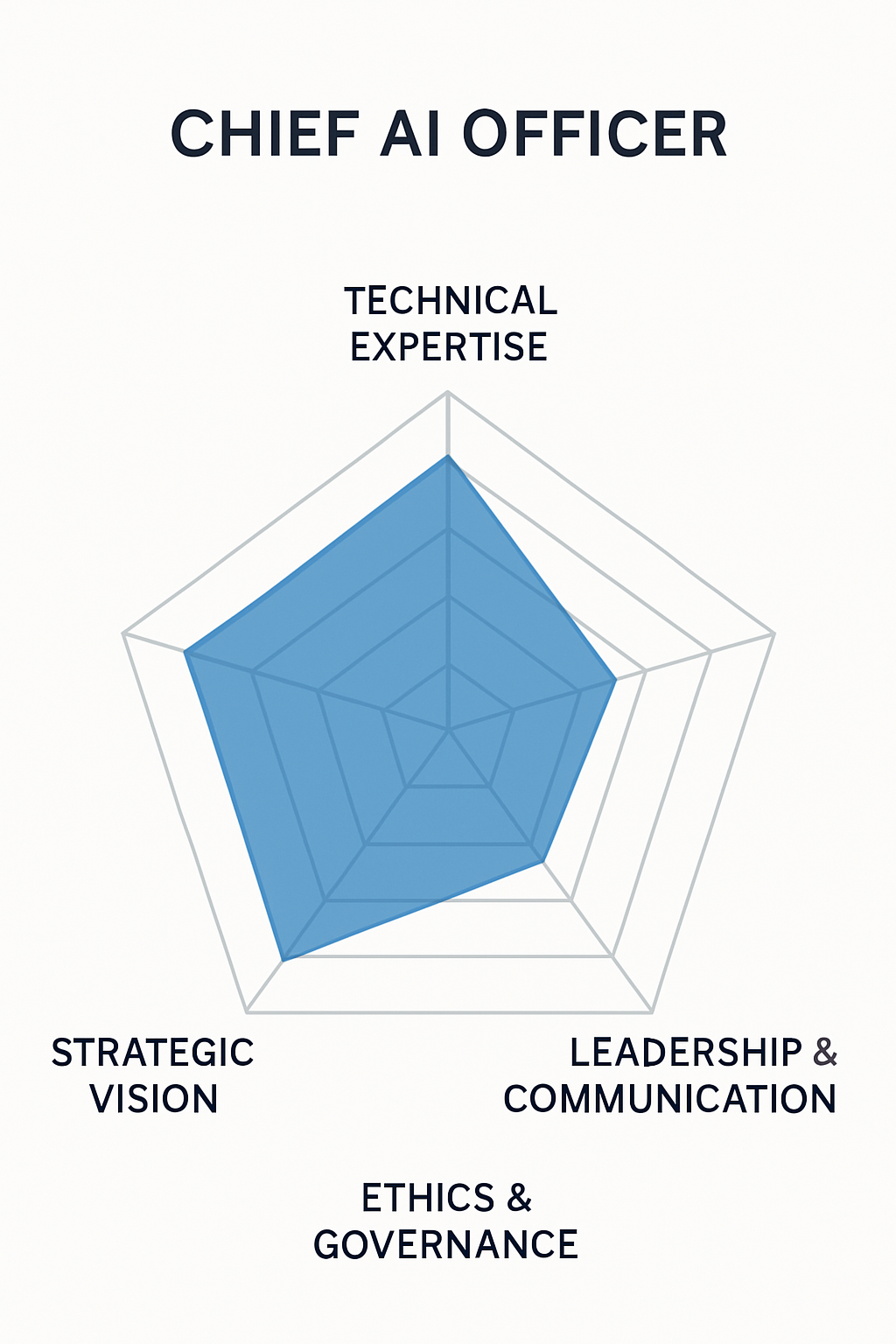
Figure 3.1: Technical Expertise Framework showing the key technical knowledge areas required for effective CAIO leadership
The technical expertise dimension requires balancing depth with breadth, developing sufficient understanding across multiple domains without necessarily achieving expert-level knowledge in any single area. Effective CAIOs typically combine personal technical knowledge with strong relationships with technical experts, leveraging both internal and external expertise to complement their own capabilities.
Business Acumen
As a C-suite role, the CAIO position requires strong business acumen to ensure that AI initiatives create tangible value and align with organizational objectives. This business dimension encompasses several key elements:
Strategic Understanding: The CAIO needs deep understanding of organizational strategy, including business models, competitive positioning, market dynamics, and growth objectives. This understanding enables alignment between AI initiatives and strategic priorities, ensuring that technological capabilities translate into business value. Effective CAIOs can articulate how AI capabilities support specific strategic objectives and contribute to competitive advantage.
Financial Acumen: The CAIO requires financial knowledge to develop business cases, manage investments, and demonstrate return on AI initiatives. This knowledge includes understanding financial metrics, investment evaluation approaches, and budgeting processes that guide resource allocation decisions. Effective CAIOs can translate technical possibilities into financial terms that resonate with executive peers and board members.
Operational Knowledge: The CAIO should understand core business operations, including key processes, performance metrics, and operational challenges across different functions. This knowledge helps identify high-value AI applications, anticipate implementation challenges, and design solutions that integrate effectively with existing operations. Effective CAIOs develop sufficient domain knowledge to engage credibly with functional leaders across the organization.
Customer Insight: The CAIO needs understanding of customer needs, behaviors, and experiences to ensure that AI initiatives create value from a customer perspective. This understanding helps prioritize customer-facing applications, design appropriate interaction models, and anticipate potential concerns about AI-enabled experiences. Effective CAIOs maintain customer-centricity in AI initiatives, balancing technological possibilities with human needs and preferences.
Industry Knowledge: The CAIO should possess strong industry knowledge, including regulatory considerations, competitive dynamics, and industry-specific AI applications. This knowledge helps identify industry-specific opportunities, navigate regulatory requirements, and benchmark against relevant competitors. Effective CAIOs understand how AI is transforming their specific industry and can anticipate emerging trends and disruption risks.
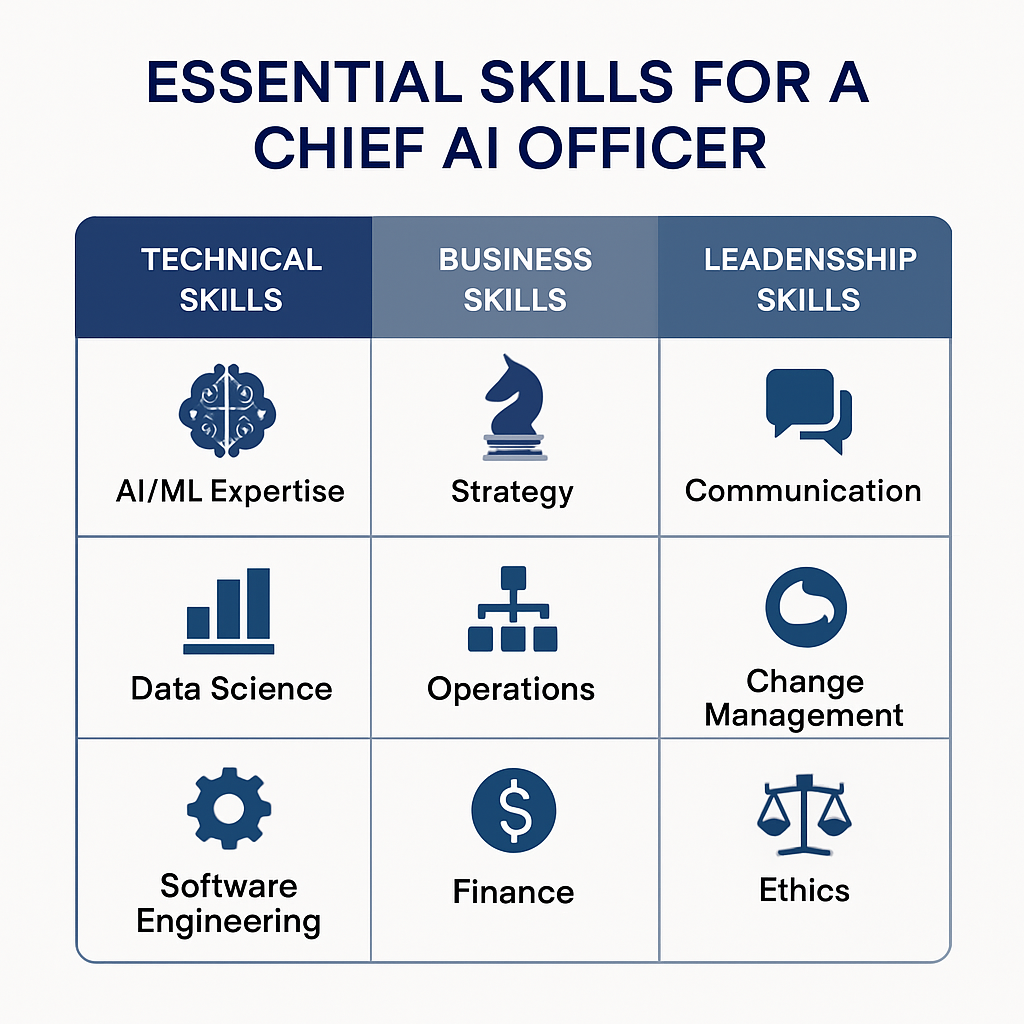
Figure 3.2: Business Acumen Framework showing the key business knowledge areas required for effective CAIO leadership
The business acumen dimension requires balancing technological enthusiasm with business pragmatism, ensuring that AI initiatives create tangible value rather than pursuing technology for its own sake. Effective CAIOs maintain unwavering focus on business outcomes, positioning AI as a means to strategic ends rather than an end in itself.
Leadership Abilities
As a C-suite position, the CAIO role requires strong leadership capabilities to drive organizational change, build high-performing teams, and influence across boundaries. This leadership dimension encompasses several key elements:
Vision and Inspiration: The CAIO must articulate a compelling vision for AI's role within the organization, inspiring others to engage with and support implementation efforts. This visionary leadership includes painting vivid pictures of future possibilities while maintaining credibility through realistic assessment of challenges and requirements. Effective CAIOs balance aspirational thinking with practical considerations, creating both excitement and confidence in the path forward.
Team Building: The CAIO builds and leads high-performing teams that combine technical expertise with business understanding and implementation capabilities. This team leadership includes recruiting top talent, creating collaborative environments, establishing clear expectations, and developing team members' capabilities over time. Effective CAIOs create cultures that value both innovation and execution, balancing creative exploration with disciplined implementation.
Influence and Persuasion: The CAIO must influence stakeholders across the organization without necessarily having direct authority, requiring strong persuasion and relationship-building capabilities. This influence includes building coalitions, addressing concerns, and creating shared ownership for AI initiatives across functional boundaries. Effective CAIOs develop trust-based relationships with key stakeholders, positioning themselves as partners rather than technology advocates.
Executive Presence: The CAIO requires strong executive presence to operate effectively at the C-suite level, including communication polish, confidence, and credibility with senior leaders. This presence enables effective engagement with the executive team and board, ensuring appropriate support and resources for AI initiatives. Effective CAIOs project both confidence and thoughtfulness, balancing enthusiasm with appropriate recognition of challenges and risks.
Conflict Resolution: The CAIO must navigate conflicts that inevitably arise during transformative initiatives, including competing priorities, resource constraints, and differing perspectives on implementation approaches. This conflict resolution includes finding common ground, facilitating productive dialogue, and making difficult trade-off decisions when necessary. Effective CAIOs address conflicts directly while maintaining relationships, recognizing that successful implementation requires ongoing collaboration.
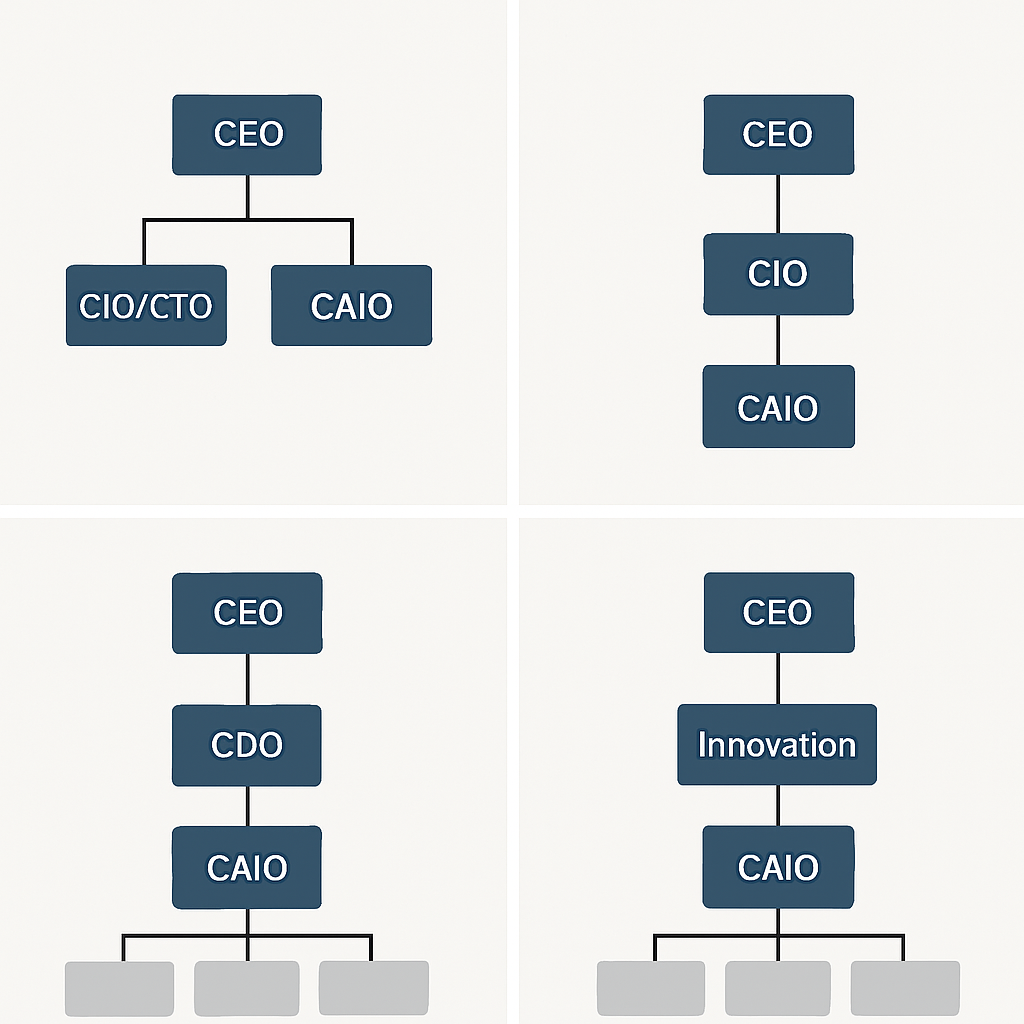
Figure 3.3: Leadership Framework showing the key leadership capabilities required for effective CAIO performance
The leadership dimension requires balancing different leadership styles based on context, combining visionary, coaching, democratic, and directive approaches as appropriate to the situation. Effective CAIOs adapt their leadership approach based on organizational culture, implementation phase, and stakeholder needs, recognizing that different contexts require different leadership behaviors.
Strategic Thinking
The CAIO role requires sophisticated strategic thinking capabilities to navigate complex decisions about AI priorities, investments, and implementation approaches. This strategic dimension encompasses several key elements:
Long-term Perspective: The CAIO must maintain a long-term perspective on AI's organizational role, balancing immediate opportunities with longer-term capability building and strategic positioning. This perspective includes developing multi-year roadmaps, making foundational investments, and anticipating future requirements while delivering near-term value. Effective CAIOs resist pressure for quick wins that might compromise long-term objectives, while still demonstrating sufficient progress to maintain momentum.
Systems Thinking: The CAIO needs strong systems thinking capabilities to understand complex interdependencies between technology, processes, people, and organizational structures. This systems perspective helps anticipate implementation challenges, identify potential unintended consequences, and design holistic solutions that address multiple dimensions simultaneously. Effective CAIOs recognize that successful AI implementation requires attention to the entire socio-technical system rather than just the technology itself.
Scenario Planning: The CAIO should employ scenario planning approaches to navigate uncertainty about technological developments, competitive responses, regulatory changes, and other external factors. This planning includes developing multiple future scenarios, identifying robust strategies that work across different possibilities, and establishing monitoring mechanisms that provide early warning of emerging trends. Effective CAIOs prepare organizations for multiple futures rather than betting on single predictions about AI's evolution.
Portfolio Management: The CAIO must develop portfolio management capabilities to balance investments across different time horizons, risk profiles, and strategic objectives. This portfolio approach includes maintaining appropriate diversity of initiatives, establishing clear evaluation criteria, and making disciplined resource allocation decisions based on strategic priorities. Effective CAIOs create balanced portfolios that include both low-risk, incremental improvements and higher-risk, potentially transformative initiatives.
Competitive Analysis: The CAIO should conduct sophisticated competitive analysis to understand how AI is reshaping competitive dynamics within their industry and adjacent sectors. This analysis includes monitoring competitor activities, identifying potential disruptors, and developing strategies that create sustainable competitive advantage through AI capabilities. Effective CAIOs anticipate competitive threats and opportunities, positioning their organizations to lead rather than follow industry transformation.
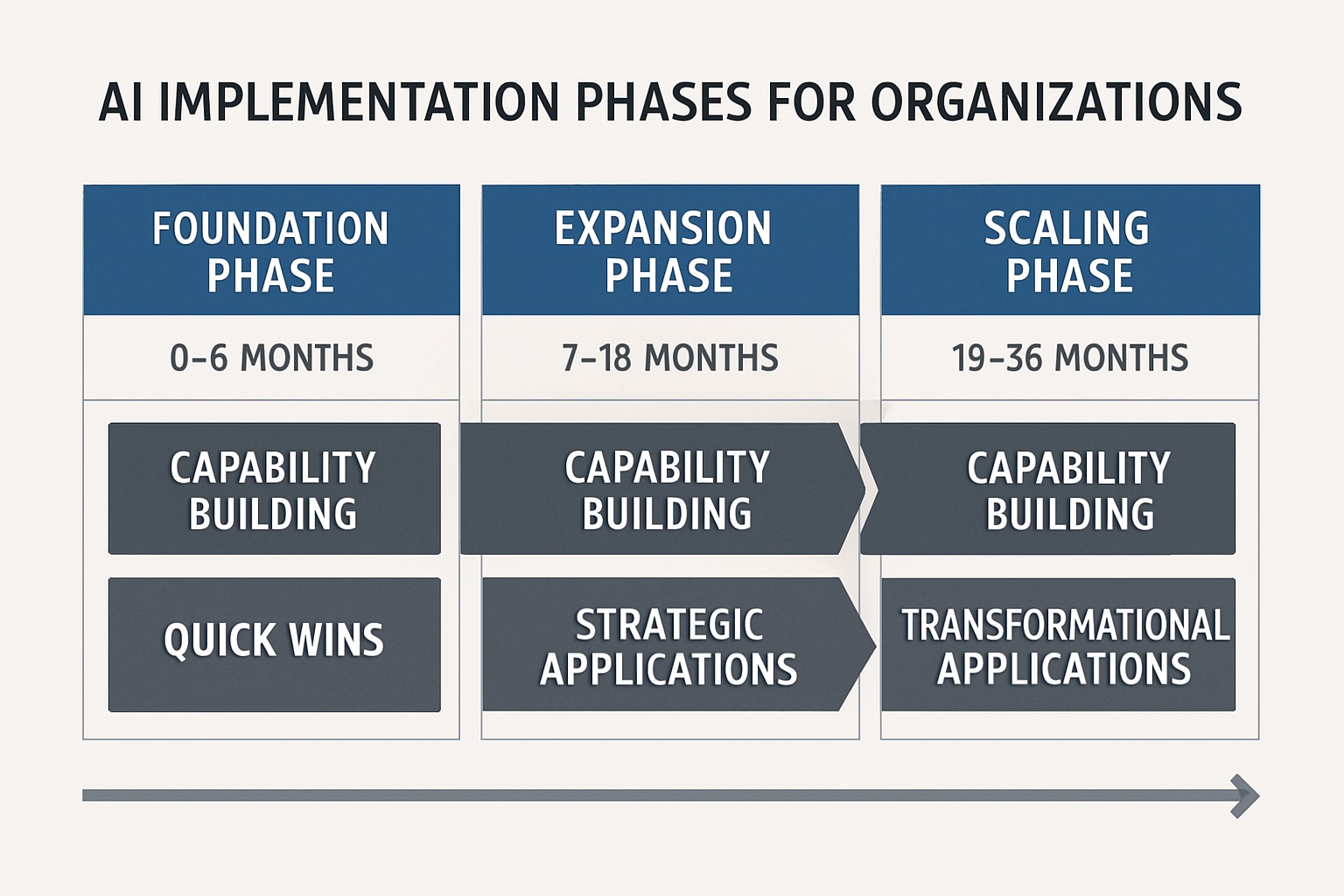
Figure 3.4: Strategic Thinking Framework showing the key strategic capabilities required for effective CAIO leadership
The strategic thinking dimension requires balancing analytical rigor with creative thinking, combining data-driven analysis with intuitive pattern recognition and imaginative exploration of possibilities. Effective CAIOs develop structured approaches to strategic decision-making while remaining open to emergent opportunities and unexpected developments in this rapidly evolving domain.
Communication Skills
Given AI's complexity and transformative potential, exceptional communication skills represent a critical success factor for CAIOs. This communication dimension encompasses several key elements:
Translation Ability: The CAIO must translate complex technical concepts into business language that resonates with different stakeholders, avoiding jargon while maintaining accuracy. This translation includes developing appropriate metaphors, examples, and frameworks that make AI concepts accessible without oversimplification. Effective CAIOs adapt their communication approach based on audience knowledge and needs, providing appropriate detail without overwhelming listeners.
Storytelling: The CAIO should employ storytelling techniques to create compelling narratives about AI's potential impact and implementation journey. These narratives help stakeholders envision future possibilities, understand the rationale for change, and maintain engagement through implementation challenges. Effective CAIOs combine data-driven arguments with emotional resonance, recognizing that successful change requires both intellectual and emotional engagement.
Expectation Management: The CAIO must manage expectations about AI capabilities, implementation timelines, and potential outcomes, avoiding both hype and excessive pessimism. This expectation management includes providing realistic assessments of possibilities and limitations, establishing appropriate timeframes, and setting clear success criteria. Effective CAIOs build credibility through balanced communication that acknowledges both opportunities and challenges.
Active Listening: The CAIO needs strong listening skills to understand stakeholder perspectives, concerns, and requirements, ensuring that AI initiatives address genuine needs rather than assumed ones. This listening includes creating psychological safety for expressing concerns, asking probing questions, and demonstrating genuine interest in diverse viewpoints. Effective CAIOs spend as much time listening as speaking, recognizing that successful implementation requires deep understanding of organizational context and stakeholder needs.
Multi-channel Communication: The CAIO should leverage multiple communication channels and formats to reach different audiences effectively, including presentations, written communications, visual materials, and interactive sessions. This multi-channel approach ensures that key messages reach all relevant stakeholders in formats that resonate with their preferences and needs. Effective CAIOs develop comprehensive communication strategies that maintain consistent messaging while adapting delivery approaches based on context.
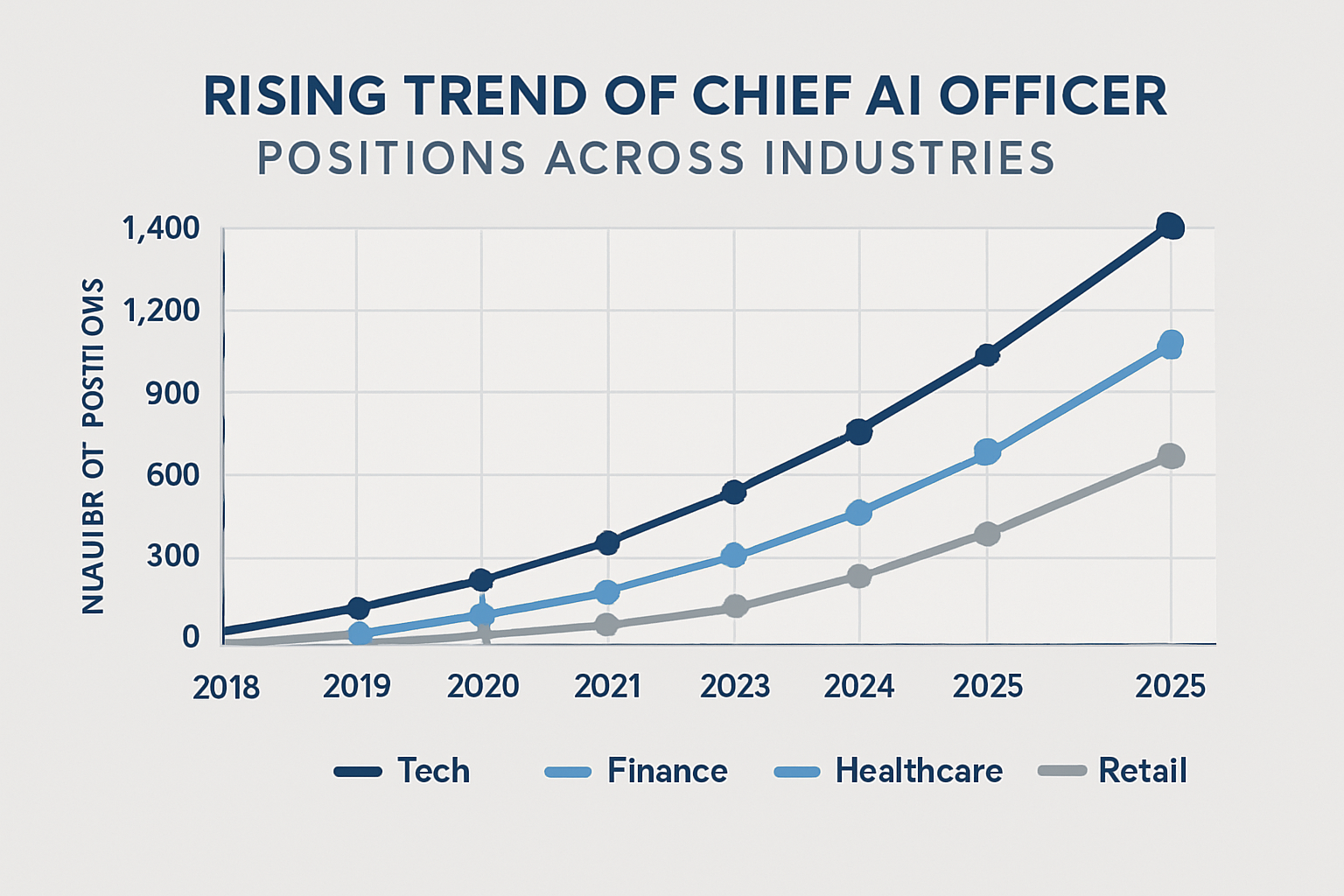
Figure 3.5: Communication Framework showing the key communication capabilities required for effective CAIO leadership
The communication dimension requires balancing simplicity with accuracy, making complex concepts accessible without misleading oversimplification. Effective CAIOs recognize that communication represents one of their most powerful tools for driving successful implementation, investing significant time and energy in developing compelling messages and delivery approaches.
Ethical Judgment
Given AI's potential societal impacts and ethical implications, the CAIO role requires sophisticated ethical judgment capabilities. This ethical dimension encompasses several key elements:
Ethical Frameworks: The CAIO should understand and apply ethical frameworks that guide responsible AI development and deployment, including principles related to fairness, transparency, privacy, security, and human oversight. This understanding includes familiarity with major ethical approaches (consequentialism, deontology, virtue ethics) and their application to AI contexts. Effective CAIOs develop structured approaches to ethical decision-making that ensure consistent consideration of key principles.
Bias Recognition: The CAIO needs capabilities for recognizing potential biases in AI systems, including data biases, algorithmic biases, and interpretation biases that might create unfair outcomes for certain groups. This recognition includes understanding different bias types, their potential sources, and approaches for detection and mitigation. Effective CAIOs establish processes that systematically address bias concerns throughout the AI lifecycle, from data collection through deployment and monitoring.
Impact Assessment: The CAIO should conduct comprehensive impact assessments that consider the potential effects of AI systems on various stakeholders, including employees, customers, communities, and society more broadly. These assessments include both intended and unintended consequences, immediate and longer-term impacts, and effects on different stakeholder groups. Effective CAIOs integrate impact assessment into standard development processes rather than treating it as a separate compliance activity.
Ethical Leadership: The CAIO must demonstrate ethical leadership that establishes clear expectations, models appropriate behavior, and creates organizational cultures that prioritize responsible AI practices. This leadership includes making difficult trade-off decisions when ethical principles conflict, standing firm against pressure to compromise ethical standards, and creating accountability mechanisms that ensure adherence to established principles. Effective CAIOs position ethics as a core organizational value rather than a compliance requirement.
Stakeholder Engagement: The CAIO should engage diverse stakeholders in ethical discussions and decision-making processes, ensuring that multiple perspectives inform AI development and deployment. This engagement includes creating forums for dialogue, establishing feedback mechanisms, and incorporating stakeholder input into governance processes. Effective CAIOs recognize that ethical judgment benefits from diverse perspectives and create inclusive processes that capture this diversity.
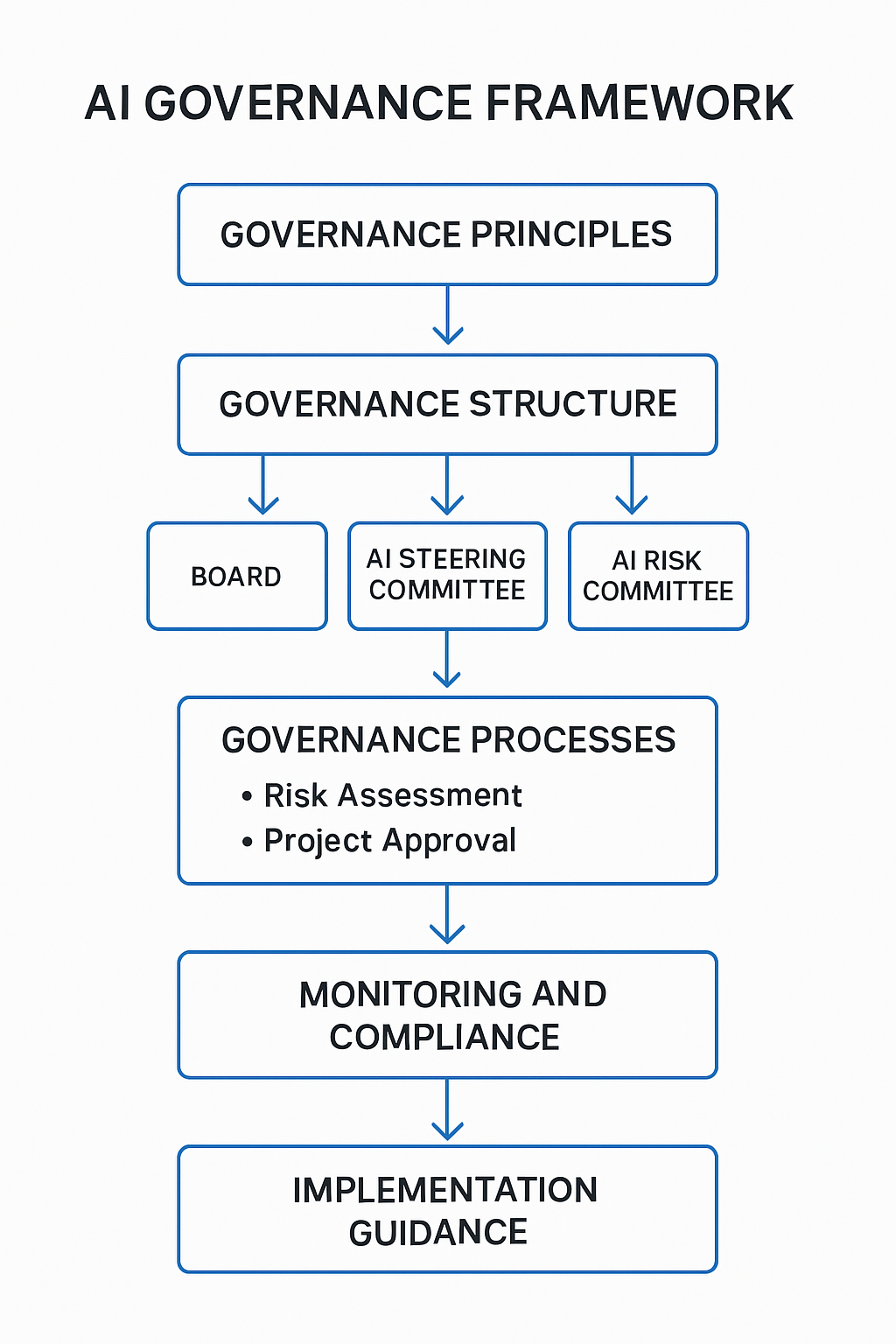
Figure 3.6: Ethical Judgment Framework showing the key ethical capabilities required for responsible AI leadership
The ethical judgment dimension requires balancing multiple considerations, including business objectives, technological capabilities, stakeholder interests, and societal impacts. Effective CAIOs develop nuanced approaches to ethical decision-making that consider these multiple dimensions, recognizing that responsible AI implementation often involves complex trade-offs rather than simple right-versus-wrong choices.
Change Management
Given AI's transformative impact on organizations, the CAIO role requires sophisticated change management capabilities to navigate the human dimensions of implementation. This change dimension encompasses several key elements:
Change Readiness Assessment: The CAIO should assess organizational readiness for AI-driven change, including cultural factors, leadership alignment, skill availability, and structural enablers or barriers. These assessments help identify potential resistance sources, capability gaps, and other factors that might affect implementation success. Effective CAIOs develop tailored change approaches based on specific organizational contexts rather than applying one-size-fits-all methodologies.
Stakeholder Analysis: The CAIO needs capabilities for analyzing stakeholder positions, interests, concerns, and influence levels to develop effective engagement strategies. This analysis includes mapping key stakeholders, understanding their perspectives, and identifying appropriate engagement approaches for different groups. Effective CAIOs recognize that stakeholder positions evolve throughout implementation and maintain ongoing analysis rather than treating it as a one-time activity.
Resistance Management: The CAIO must address resistance to AI-driven change, including fear of job displacement, concerns about decision authority, skepticism about capabilities, and other factors that might impede adoption. This resistance management includes acknowledging legitimate concerns, providing appropriate reassurance, and creating opportunities for stakeholders to influence implementation approaches. Effective CAIOs treat resistance as valuable feedback rather than opposition to be overcome.
Cultural Evolution: The CAIO should guide cultural evolution that supports successful AI adoption, including shifts toward data-driven decision-making, experimental mindsets, cross-functional collaboration, and continuous learning. This cultural work includes identifying specific behavioral changes needed, creating mechanisms that reinforce desired behaviors, and measuring cultural evolution over time. Effective CAIOs recognize that cultural change represents one of the most challenging aspects of AI implementation and invest accordingly.
Adoption Acceleration: The CAIO needs approaches for accelerating AI adoption across the organization, including training programs, change champions, success stories, and other mechanisms that build momentum and engagement. These acceleration approaches create positive reinforcement cycles that build on early successes to drive broader adoption. Effective CAIOs balance push and pull strategies, combining leadership direction with grassroots enthusiasm to create sustainable change.
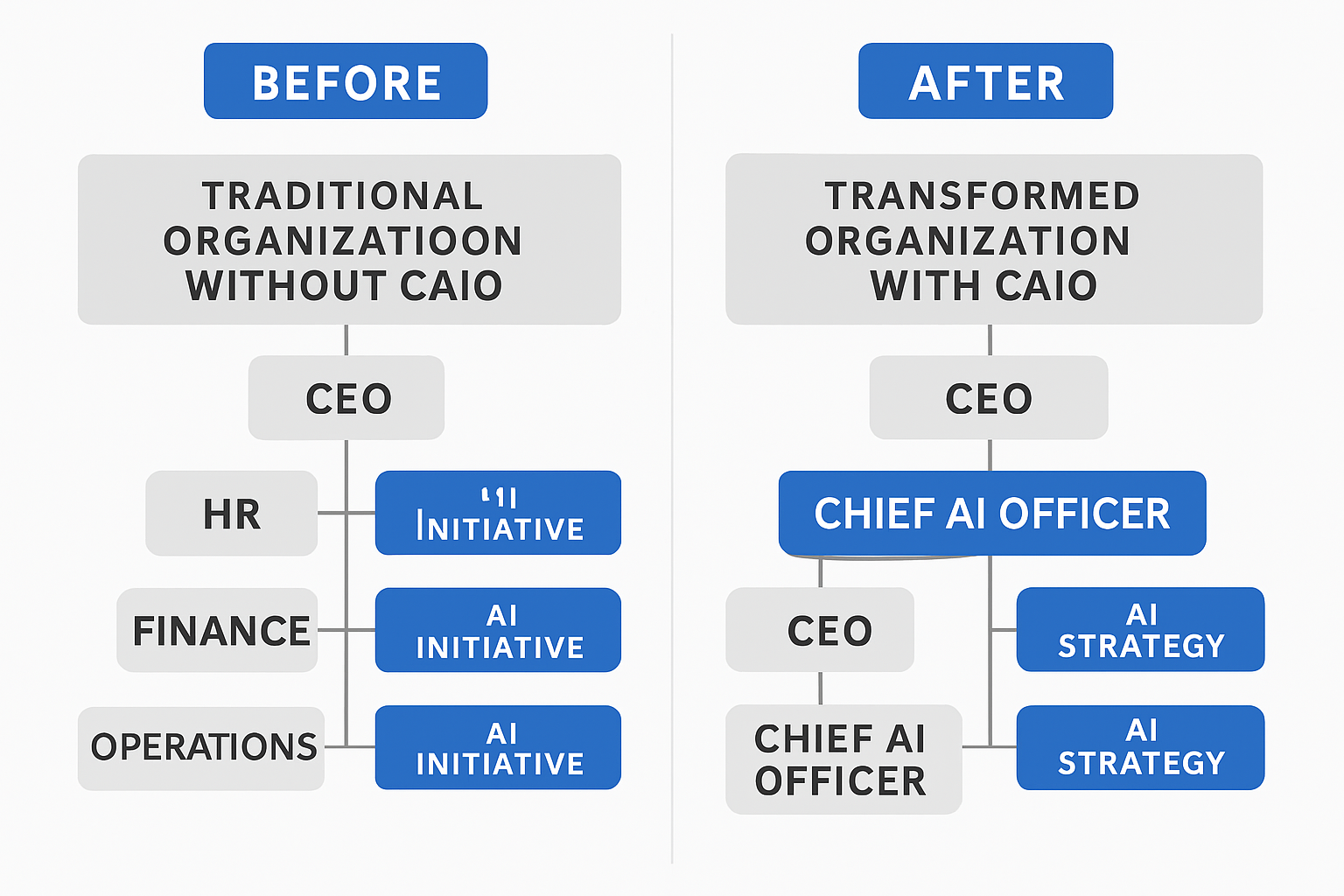
Figure 3.7: Change Management Framework showing the key change capabilities required for effective CAIO leadership
The change management dimension requires balancing technological implementation with organizational adaptation, recognizing that successful AI adoption depends as much on people and culture as on technical capabilities. Effective CAIOs invest as much attention in the human dimensions of change as in the technological dimensions, creating integrated approaches that address both aspects simultaneously.
Continuous Learning
Given AI's rapid evolution and the CAIO role's breadth, continuous learning capabilities represent a critical success factor. This learning dimension encompasses several key elements:
Learning Agility: The CAIO needs strong learning agility to acquire new knowledge quickly, adapt to emerging developments, and apply insights from diverse domains to AI leadership. This agility includes comfort with ambiguity, willingness to experiment, and ability to revise perspectives based on new information. Effective CAIOs maintain beginner's mindsets even as they develop expertise, remaining open to new approaches and perspectives.
Knowledge Networks: The CAIO should develop robust knowledge networks that provide access to diverse perspectives, emerging trends, and specialized expertise beyond personal knowledge. These networks include relationships with academic researchers, industry peers, technology providers, and internal experts across different domains. Effective CAIOs actively cultivate these networks, recognizing that collective intelligence provides broader perspective than individual knowledge.
Reflection Practices: The CAIO must establish reflection practices that extract learning from experiences, including both successes and failures in AI implementation. These practices include after-action reviews, personal reflection routines, and feedback mechanisms that provide insights for continuous improvement. Effective CAIOs create learning cultures that normalize discussion of challenges and mistakes, recognizing that implementation difficulties provide valuable learning opportunities.
Horizon Scanning: The CAIO needs approaches for monitoring emerging developments in AI and related fields, including research breakthroughs, startup innovations, regulatory changes, and evolving best practices. This scanning includes systematic information gathering from multiple sources, regular synthesis of insights, and assessment of potential implications for organizational strategy. Effective CAIOs balance attention to immediate implementation with awareness of longer-term developments that might affect future direction.
Knowledge Sharing: The CAIO should establish knowledge sharing mechanisms that disseminate insights across the organization, accelerating collective learning and preventing repeated mistakes. These mechanisms include communities of practice, documentation approaches, training programs, and other vehicles for transferring knowledge between teams and individuals. Effective CAIOs model knowledge sharing behaviors themselves, openly sharing both successes and challenges to encourage similar transparency throughout the organization.
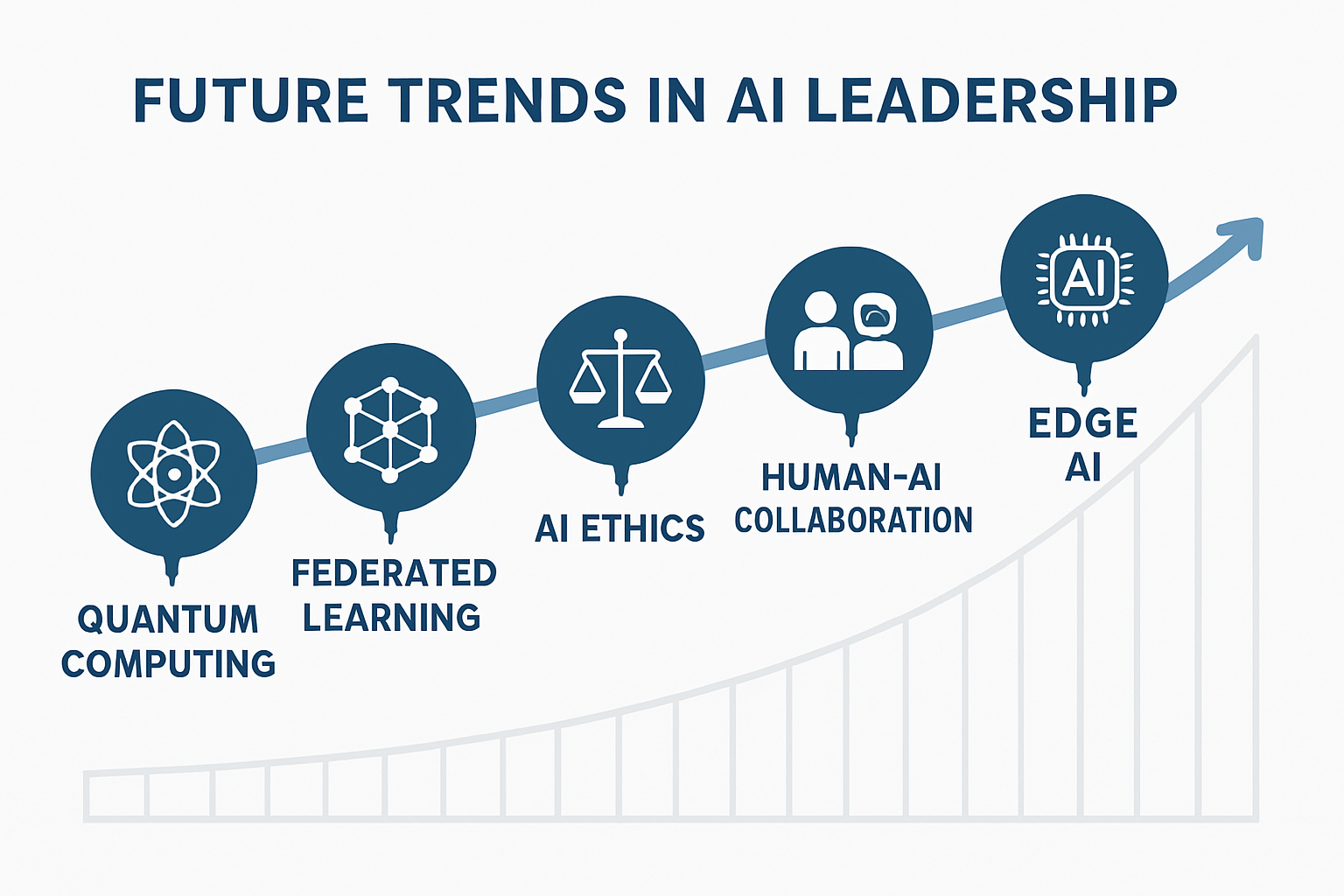
Figure 3.8: Continuous Learning Framework showing the key learning capabilities required for effective CAIO leadership
The continuous learning dimension requires balancing depth with breadth, developing sufficient expertise in priority areas while maintaining awareness across multiple domains. Effective CAIOs recognize that learning represents a core leadership responsibility rather than an occasional activity, dedicating significant time and attention to their own development and creating learning cultures throughout their organizations.
Conclusion
The Chief AI Officer role requires a unique blend of skills and competencies that span technical, business, leadership, and ethical domains. While no single individual is likely to excel in all areas, effective CAIOs develop sufficient capabilities across multiple dimensions to navigate the complex challenges of AI leadership. The eight skill areas described in this chapter—technical expertise, business acumen, leadership abilities, strategic thinking, communication skills, ethical judgment, change management, and continuous learning—provide a comprehensive framework for understanding the capabilities required for success.
Organizations seeking to develop or recruit CAIOs should consider this multidimensional skill profile, recognizing that different organizational contexts may require different emphasis across these dimensions. For example, organizations early in their AI journey might prioritize change management and communication skills to build momentum, while organizations with established AI capabilities might emphasize strategic thinking and ethical judgment to guide responsible scaling. Similarly, organizations with strong technical foundations might prioritize business acumen and leadership abilities, while those with limited technical expertise might place greater emphasis on technical knowledge.
For individuals aspiring to CAIO roles, this framework provides a development roadmap, highlighting areas for focused attention based on existing strengths and gaps. While few individuals will master all dimensions equally, successful CAIOs typically develop sufficient capabilities across all areas while building deeper expertise in selected domains based on personal background and organizational needs. They also complement their own capabilities by building diverse teams and external partnerships that provide complementary strengths.
As the CAIO role continues to evolve, we can expect to see increasing emphasis on ethical judgment, change management, and continuous learning dimensions, reflecting AI's growing impact and rapid evolution. Successful CAIOs will adapt accordingly, continuously developing their capabilities to meet emerging challenges and opportunities in this dynamic field.