Chapter 5: Implementation Strategies for AI Initiatives
In This Chapter:
While developing AI strategy and building organizational capabilities are essential foundations, the Chief AI Officer's ultimate success depends on effective implementation that delivers tangible business value. This chapter examines implementation strategies that enable successful AI adoption, providing practical approaches for translating vision and capabilities into measurable outcomes. Drawing on both established change management principles and AI-specific considerations, these strategies offer a comprehensive framework for CAIOs seeking to drive successful implementation across their organizations.
Strategic Planning and Roadmap Development
Effective AI implementation begins with strategic planning that translates broad vision into actionable roadmaps. This planning process typically includes several key elements:
Vision Articulation: The CAIO develops a compelling vision for AI's role within the organization, describing future capabilities, experiences, and outcomes in concrete terms. This vision articulation goes beyond generic statements about "leveraging AI" to paint vivid pictures of specific changes to customer experiences, operational processes, decision-making approaches, and business models. Effective visions balance aspirational thinking with credibility, creating excitement while maintaining believability. They also connect AI capabilities to core organizational priorities, demonstrating how technological advances will drive strategic objectives rather than existing as separate technology initiatives.
Capability Assessment: The CAIO conducts comprehensive capability assessments that evaluate current state across multiple dimensions, including:
- Technical Capabilities: Infrastructure readiness, tool availability, architectural foundations, and other technical elements.
- Data Capabilities: Data availability, quality, integration, governance, and other data-related factors.
- Process Capabilities: Development methodologies, operational processes, governance mechanisms, and other procedural elements.
- People Capabilities: Skill availability, leadership alignment, cultural readiness, and other human factors.
These assessments identify capability gaps that must be addressed through the implementation roadmap, ensuring that foundational elements are in place before dependent initiatives begin. Effective capability assessments balance comprehensive evaluation with pragmatic focus, identifying critical gaps without creating analysis paralysis.
Opportunity Identification: The CAIO leads structured processes for identifying AI opportunities across the organization, typically including:
- Business Challenge Mapping: Identifying key business challenges that might benefit from AI capabilities.
- Process Analysis: Examining core processes to identify potential automation or augmentation opportunities.
- Data Asset Evaluation: Assessing available data assets to identify potential applications.
- Customer Journey Mapping: Analyzing customer journeys to identify experience enhancement opportunities.
- Competitive Analysis: Examining competitor approaches to identify potential applications.
These identification processes create comprehensive inventories of potential opportunities that serve as inputs to prioritization and roadmap development. Effective opportunity identification balances breadth with depth, creating sufficient options without overwhelming prioritization processes.
Roadmap Development: The CAIO develops multi-horizon roadmaps that sequence initiatives based on business value, implementation feasibility, dependency relationships, and organizational readiness. These roadmaps typically include:
- Horizon 1 (0-12 months): Near-term initiatives with clear implementation plans and resource commitments.
- Horizon 2 (12-24 months): Medium-term initiatives with defined objectives but evolving implementation approaches.
- Horizon 3 (24+ months): Longer-term opportunities with directional guidance rather than specific plans.
Effective roadmaps balance multiple factors, including quick wins that build momentum, foundational initiatives that enable future capabilities, and transformative opportunities that drive significant value. They also maintain appropriate flexibility, establishing clear direction while allowing for adaptation based on emerging insights and changing conditions.
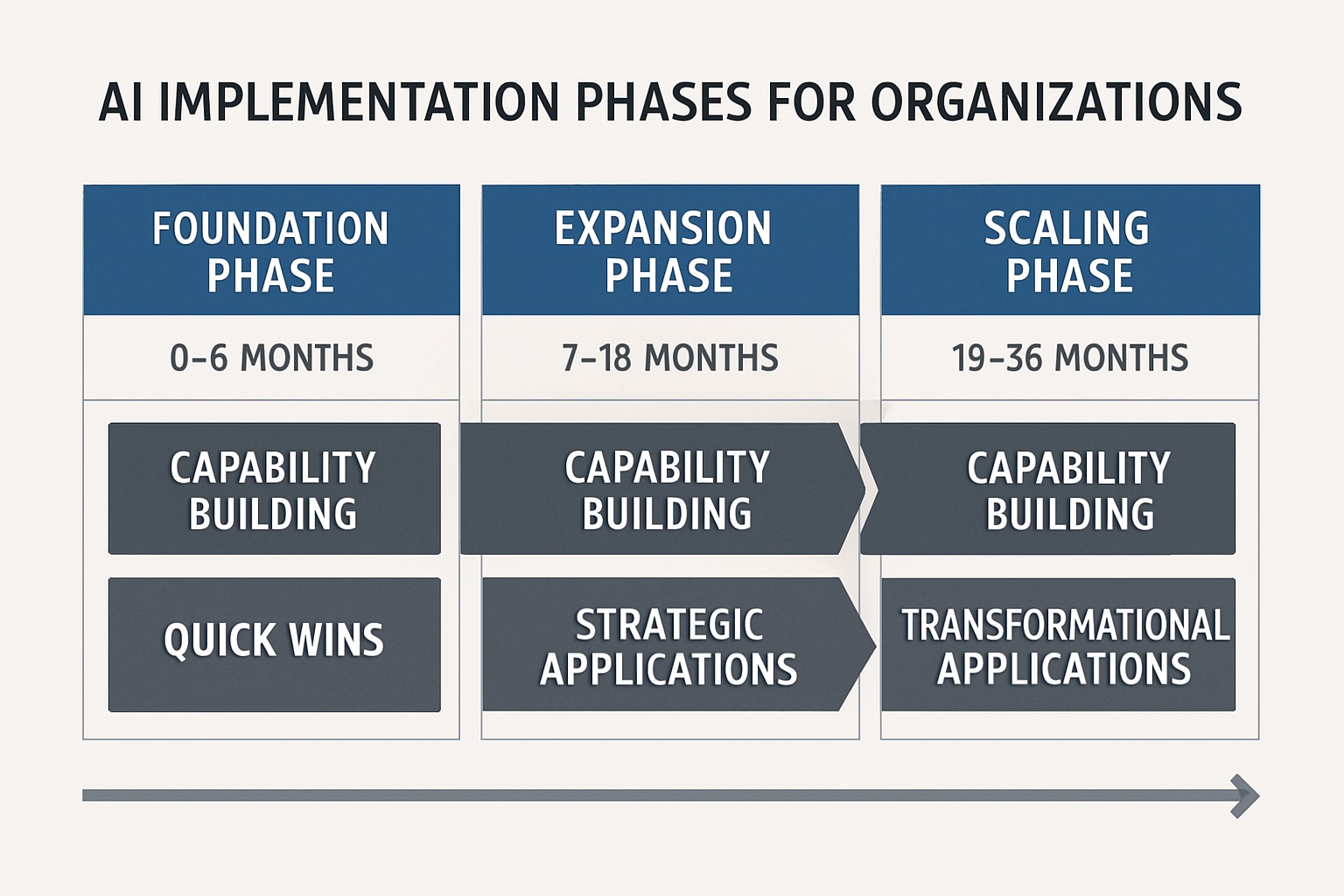
Figure 5.1: Strategic planning framework showing the key elements of AI roadmap development
The strategic planning process requires balancing top-down direction with bottom-up engagement, combining executive vision with practitioner insights to create roadmaps that are both ambitious and achievable. Effective CAIOs establish iterative planning processes that enable regular refinement based on implementation experience, emerging technologies, and evolving business priorities, treating roadmaps as living documents rather than static plans.
Implementation Models and Approaches
Given AI's diverse applications and organizational contexts, successful CAIOs employ multiple implementation models tailored to specific situations. These models include:
Lighthouse Projects: The CAIO typically identifies and implements lighthouse projects that demonstrate AI's potential through high-visibility, high-impact initiatives. These projects serve multiple purposes:
- Proof of Value: Demonstrating tangible business impact to build organizational confidence.
- Learning Vehicles: Developing implementation capabilities through practical experience.
- Change Catalysts: Creating momentum for broader adoption by showcasing possibilities.
- Pattern Creators: Establishing implementation patterns that can be replicated elsewhere.
Effective lighthouse projects balance ambition with achievability, tackling meaningful challenges while maintaining high probability of success. They also include deliberate knowledge capture and sharing mechanisms that enable broader organizational learning beyond the immediate project team.
Center of Excellence: The CAIO often establishes AI centers of excellence (CoEs) that provide specialized expertise, implementation support, and governance oversight. These CoEs typically include multiple functions:
- Advisory Services: Providing guidance on use case identification, solution design, and implementation approaches.
- Technical Expertise: Offering specialized capabilities in machine learning, natural language processing, computer vision, and other AI domains.
- Implementation Support: Providing resources for development, testing, deployment, and ongoing management.
- Standards Development: Creating consistent approaches, architectural patterns, and governance mechanisms.
- Knowledge Management: Capturing and sharing best practices, lessons learned, and reusable assets.
Effective CoEs balance service provision with capability building, helping business units implement specific initiatives while developing their own AI capabilities over time. They also balance standardization with flexibility, establishing consistent approaches while allowing appropriate adaptation to different contexts.
Embedded Teams: The CAIO may deploy embedded AI teams within business units or functional areas, providing dedicated resources that combine AI expertise with domain knowledge. These embedded teams typically work closely with business leaders to identify opportunities, develop solutions, and drive adoption within their specific areas. They maintain connection to central AI functions through dotted-line reporting relationships, communities of practice, or other coordination mechanisms that ensure consistent approaches while enabling local responsiveness.
Effective embedded teams balance technical expertise with business understanding, developing sufficient domain knowledge to identify high-value opportunities while maintaining technical depth. They also balance local priorities with enterprise standards, adapting implementation approaches to specific contexts while maintaining alignment with broader architectural and governance requirements.
Partnership Models: The CAIO typically establishes partnership models that leverage external capabilities to accelerate implementation, including:
- Technology Partnerships: Relationships with platform providers, tool vendors, and other technology suppliers.
- Implementation Partnerships: Engagements with consulting firms, system integrators, and other service providers.
- Research Partnerships: Collaborations with academic institutions, research organizations, and innovation ecosystems.
- Industry Partnerships: Participation in consortia, standards bodies, and other collaborative initiatives.
Effective partnership models balance external acceleration with internal capability building, leveraging partners to increase implementation velocity while developing organizational expertise through knowledge transfer mechanisms. They also balance strategic relationships with competitive dynamics, maintaining appropriate partner diversity to avoid overdependence on single providers.
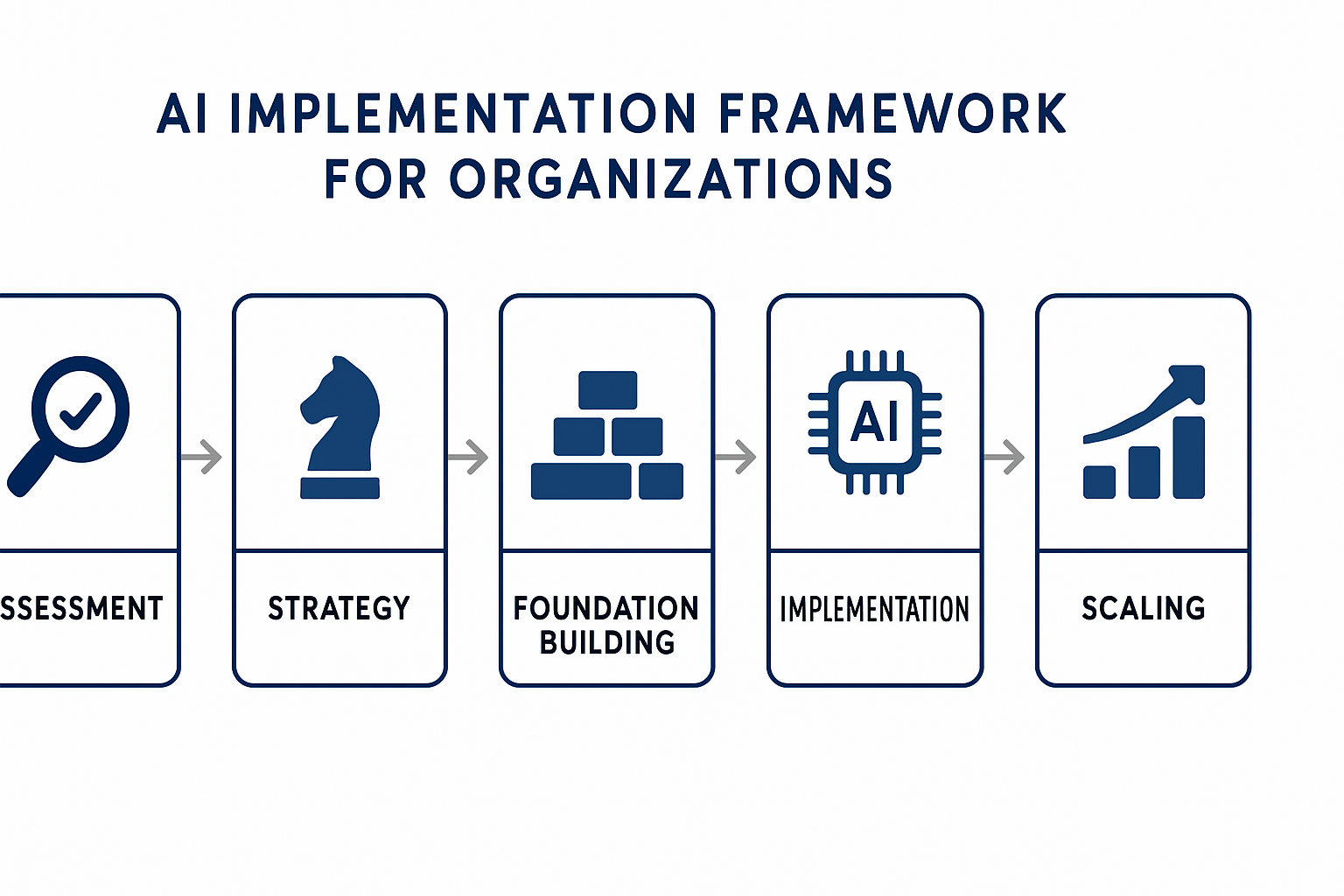
Figure 5.2: Implementation models framework showing different approaches for AI adoption
Most organizations employ multiple implementation models simultaneously, tailoring approaches to different business contexts, capability requirements, and strategic priorities. Effective CAIOs develop clear decision frameworks for selecting appropriate models in different situations, considering factors such as strategic importance, capability requirements, time constraints, and organizational readiness. They also evolve their implementation models over time as organizational maturity increases, typically shifting from centralized approaches toward more distributed models as capabilities develop across the organization.
Prioritization Frameworks
Given limited resources and numerous potential AI applications, effective prioritization represents a critical success factor for CAIOs. Comprehensive prioritization frameworks typically consider multiple dimensions:
Business Value Assessment: The CAIO establishes structured approaches for evaluating potential business value across different dimensions:
- Financial Impact: Revenue growth, cost reduction, margin improvement, and other economic benefits.
- Customer Impact: Experience enhancement, satisfaction improvement, retention increase, and other customer benefits.
- Operational Impact: Efficiency gains, quality improvements, cycle time reductions, and other operational benefits.
- Strategic Impact: Competitive differentiation, market positioning, capability building, and other strategic advantages.
Effective value assessment combines quantitative analysis with qualitative evaluation, recognizing that some benefits resist precise quantification but still warrant consideration. It also balances near-term returns with longer-term strategic positioning, avoiding exclusive focus on immediate financial metrics that might undervalue transformative opportunities.
Implementation Feasibility: The CAIO evaluates implementation feasibility across multiple factors:
- Technical Feasibility: Technology readiness, solution complexity, integration requirements, and other technical factors.
- Data Feasibility: Data availability, quality, accessibility, and other data-related considerations.
- Organizational Feasibility: Skill availability, leadership support, cultural readiness, and other organizational factors.
- Regulatory Feasibility: Compliance requirements, ethical considerations, risk factors, and other governance elements.
Effective feasibility assessment balances comprehensive evaluation with pragmatic focus, identifying critical barriers without creating analysis paralysis. It also considers implementation timeframes, distinguishing between fundamental feasibility questions and timing considerations that might affect sequencing but not ultimate viability.
Strategic Alignment: The CAIO assesses alignment with strategic priorities across multiple levels:
- Enterprise Strategy: Alignment with overall organizational objectives and strategic initiatives.
- Business Unit Strategy: Alignment with specific business unit priorities and objectives.
- Functional Strategy: Alignment with functional strategies in areas like customer experience, operations, and technology.
- AI Strategy: Alignment with broader AI strategic objectives and capability building priorities.
Effective alignment assessment considers both explicit strategic priorities and implicit organizational values, ensuring that AI initiatives support both formal objectives and cultural priorities. It also balances current strategic alignment with potential to shape future strategy, recognizing that some AI applications might influence strategic direction rather than simply executing existing priorities.
Portfolio Balancing: The CAIO develops portfolio approaches that balance initiatives across multiple dimensions:
- Time Horizons: Balancing near-term quick wins with medium-term core initiatives and longer-term transformative opportunities.
- Risk Profiles: Balancing lower-risk, incremental improvements with higher-risk, potentially transformative initiatives.
- Business Domains: Balancing initiatives across different business units, functional areas, and customer segments.
- Technology Types: Balancing different AI technologies, including machine learning, natural language processing, computer vision, and others.
Effective portfolio approaches establish explicit allocation targets across these dimensions, ensuring appropriate diversity rather than allowing implicit biases toward particular project types. They also include regular portfolio reviews that assess overall balance and make adjustment decisions based on emerging results and changing priorities.
Figure 5.3: Prioritization framework showing the key dimensions for evaluating and selecting AI initiatives
Effective prioritization requires balancing analytical rigor with decision velocity, establishing structured evaluation processes without creating excessive bureaucracy that impedes progress. Successful CAIOs develop tiered approaches that apply different evaluation intensity based on initiative scale, with lightweight processes for smaller opportunities and more comprehensive assessment for larger investments. They also establish clear decision rights and governance mechanisms that enable efficient prioritization while ensuring appropriate stakeholder engagement.
Change Management Strategies
Given AI's potential to transform roles, processes, and decision-making approaches, sophisticated change management represents a critical success factor for implementation. Effective change strategies typically include several key elements:
Stakeholder Engagement: The CAIO develops comprehensive stakeholder engagement approaches that identify key stakeholders, understand their perspectives, and create appropriate engagement strategies. These approaches typically include:
- Stakeholder Mapping: Identifying key stakeholders and analyzing their interests, concerns, influence levels, and potential roles in implementation.
- Engagement Planning: Developing tailored engagement strategies for different stakeholder groups based on their specific characteristics and needs.
- Communication Approaches: Creating targeted messaging that addresses specific stakeholder concerns and motivations while maintaining consistent overall narrative.
- Feedback Mechanisms: Establishing channels for stakeholder input that inform implementation approaches and demonstrate responsiveness to concerns.
Effective stakeholder engagement balances inclusivity with efficiency, creating appropriate involvement opportunities without creating excessive coordination overhead. It also balances proactive outreach with responsive engagement, anticipating stakeholder needs while remaining flexible to emerging concerns.
Narrative Development: The CAIO creates compelling change narratives that explain the rationale for AI adoption, describe future states, and outline implementation journeys. These narratives typically address several key questions:
- Why Change? Explaining the drivers for AI adoption, including both opportunity capture and risk mitigation elements.
- What's Changing? Describing specific changes to roles, processes, decisions, and experiences in concrete terms.
- How Will Change Happen? Outlining implementation approaches, support mechanisms, and transition management strategies.
- What's the Impact? Addressing implications for different stakeholder groups, including both benefits and challenges.
Effective narratives balance technology enthusiasm with human empathy, acknowledging legitimate concerns while creating excitement about future possibilities. They also balance consistency with customization, maintaining core messages while adapting delivery approaches for different audiences.
Capability Building: The CAIO establishes comprehensive capability building programs that develop the skills, knowledge, and behaviors needed for successful AI adoption. These programs typically include:
- Technical Training: Developing specialized skills for technical roles involved in AI development and implementation.
- Business Education: Building AI literacy among business leaders and functional specialists to enable effective partnership.
- Change Leadership: Developing change leadership capabilities among managers responsible for implementation within their areas.
- User Training: Preparing end users to work effectively with AI-enabled systems and processes.
Effective capability building balances formal training with experiential learning, creating multiple development pathways that accommodate different learning styles and starting points. It also balances immediate implementation needs with longer-term capability development, building foundations for sustainable adoption rather than focusing exclusively on current project requirements.
Adoption Acceleration: The CAIO implements adoption acceleration approaches that drive engagement and usage of AI-enabled capabilities. These approaches typically include:
- Change Champions: Identifying and supporting influential individuals who model desired behaviors and advocate for adoption.
- Success Stories: Capturing and sharing implementation successes that demonstrate value and build momentum.
- Recognition Programs: Acknowledging and rewarding individuals and teams that embrace new approaches and drive successful adoption.
- Performance Integration: Incorporating adoption metrics into performance expectations and evaluation processes.
Effective adoption acceleration balances push and pull strategies, combining leadership direction with grassroots enthusiasm to create sustainable change. It also balances short-term adoption tactics with longer-term cultural evolution, recognizing that lasting change requires shifts in underlying beliefs and values rather than just behavioral compliance.
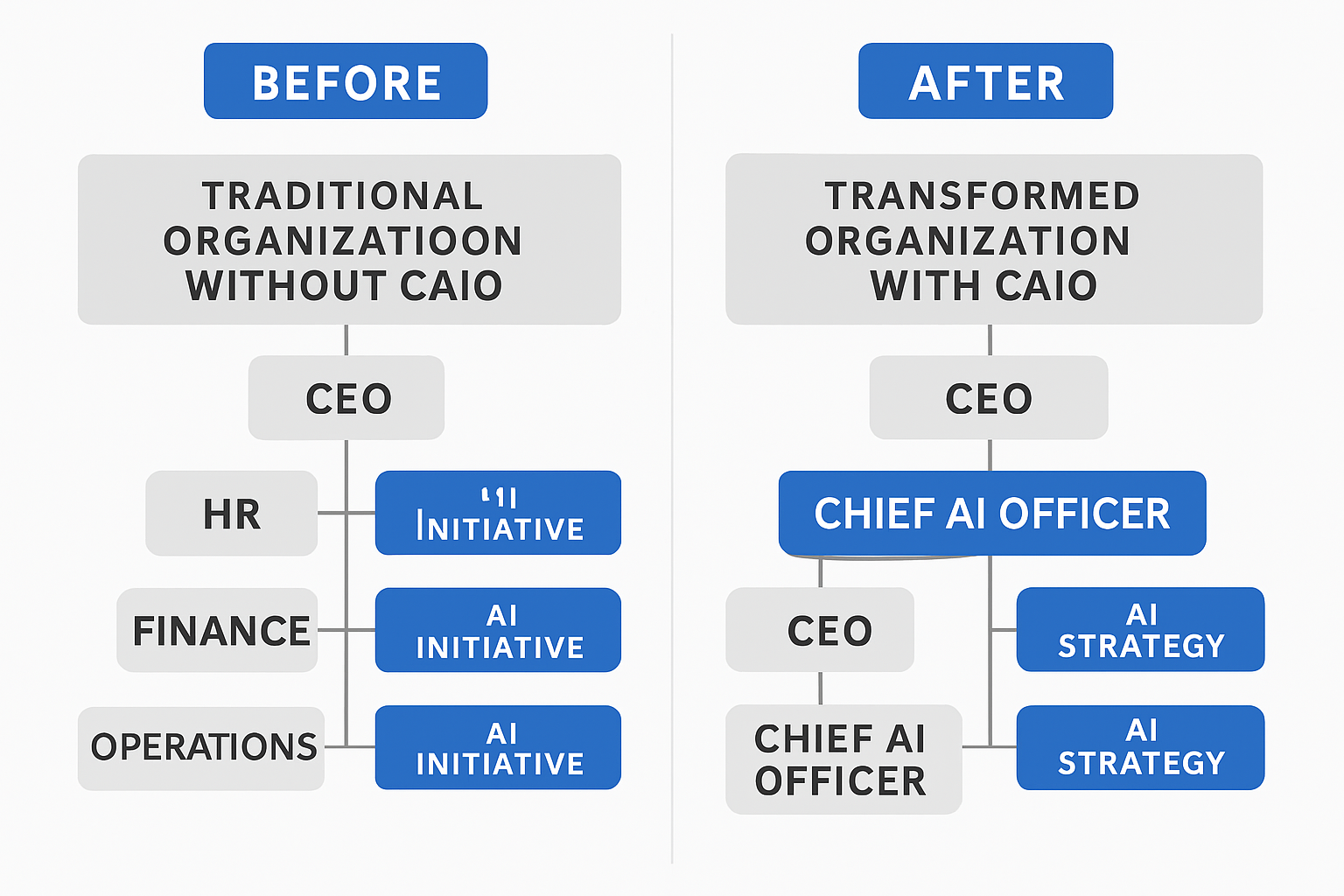
Figure 5.4: Change management framework showing the key elements of effective AI adoption strategies
Successful change management requires balancing technological implementation with organizational adaptation, recognizing that successful AI adoption depends as much on people and culture as on technical capabilities. Effective CAIOs invest as much attention in the human dimensions of change as in the technological dimensions, creating integrated approaches that address both aspects simultaneously. They also tailor change strategies to specific organizational contexts, recognizing that different cultures, histories, and structures require different approaches rather than applying one-size-fits-all methodologies.
Scaling Approaches
Moving beyond initial implementations to achieve enterprise-scale impact represents a critical challenge for CAIOs. Effective scaling approaches typically include several key elements:
Replication Models: The CAIO establishes replication models that enable successful patterns from initial implementations to be applied in new contexts. These models typically include:
- Pattern Identification: Analyzing successful implementations to identify replicable elements and contextual factors.
- Template Development: Creating standardized approaches, architectural patterns, and implementation playbooks based on proven successes.
- Knowledge Transfer: Establishing mechanisms for sharing insights, lessons learned, and best practices across implementation teams.
- Adaptation Guidance: Providing frameworks for appropriate customization based on different contextual factors.
Effective replication balances standardization with customization, creating consistent approaches while allowing appropriate adaptation to different contexts. It also balances codification with tacit knowledge transfer, recognizing that some implementation insights resist formal documentation and require direct interaction between experienced practitioners and new teams.
Platform Approaches: The CAIO develops platform strategies that create reusable technical foundations for multiple AI applications. These platform approaches typically include:
- Infrastructure Platforms: Standardized computing, storage, and networking capabilities optimized for AI workloads.
- Data Platforms: Integrated data management capabilities that enable consistent access, preparation, and governance.
- AI Services Platforms: Reusable AI capabilities that can be leveraged across multiple applications and use cases.
- Development Platforms: Standardized tools, frameworks, and environments that accelerate development and deployment.
Effective platform strategies balance immediate application needs with longer-term architectural vision, creating foundations that enable both current implementations and future possibilities. They also balance standardization with innovation, establishing consistent approaches while maintaining flexibility for emerging technologies and novel applications.
Capability Distribution: The CAIO implements approaches for distributing AI capabilities throughout the organization, including:
- Skill Development: Building AI-related skills across different functions and levels through training programs and experiential learning.
- Role Evolution: Integrating AI responsibilities into existing roles rather than relying exclusively on specialized positions.
- Tool Democratization: Providing accessible tools that enable non-specialists to leverage AI capabilities within appropriate guardrails.
- Knowledge Networks: Creating communities of practice, expert directories, and other mechanisms that connect practitioners across organizational boundaries.
Effective capability distribution balances specialized expertise with broad engagement, maintaining centers of excellence while building distributed capabilities that enable wider adoption. It also balances empowerment with governance, providing accessible capabilities while ensuring appropriate oversight and quality control.
Organizational Enablers: The CAIO establishes organizational enablers that support scaling beyond initial implementations, including:
- Governance Mechanisms: Decision frameworks, approval processes, and oversight structures that enable efficient scaling while maintaining appropriate controls.
- Funding Models: Resource allocation approaches that support both centralized platform investments and distributed implementation initiatives.
- Incentive Structures: Performance metrics, recognition programs, and reward systems that encourage adoption and implementation.
- Career Paths: Development opportunities and advancement tracks that support capability building and retention of key talent.
Figure 5.5: Scaling framework showing the key approaches for achieving enterprise-wide AI adoption
Effective scaling requires balancing centralized coordination with distributed ownership, creating sufficient consistency while enabling local adaptation and innovation. Successful CAIOs establish clear frameworks for determining appropriate balance in different contexts, considering factors such as application criticality, organizational maturity, and strategic importance. They also evolve their scaling approaches over time as organizational capabilities develop, typically shifting from more centralized models toward more distributed approaches as AI maturity increases across the organization.
Measuring Success and ROI
Demonstrating tangible impact represents a critical success factor for CAIOs, requiring sophisticated approaches for measuring value and return on investment. Effective measurement strategies typically include several key elements:
Measurement Frameworks: The CAIO establishes comprehensive measurement frameworks that capture multiple value dimensions, including:
- Financial Metrics: Revenue growth, cost reduction, margin improvement, and other economic measures.
- Operational Metrics: Efficiency gains, quality improvements, cycle time reductions, and other operational indicators.
- Customer Metrics: Satisfaction improvements, experience enhancements, retention increases, and other customer measures.
- Strategic Metrics: Capability development, competitive positioning, innovation acceleration, and other strategic indicators.
Effective frameworks balance quantitative and qualitative measures, recognizing that some benefits resist precise quantification but still warrant consideration. They also balance lagging indicators that measure realized value with leading indicators that predict future impact, creating a more complete picture of implementation progress and potential.
Baseline Establishment: The CAIO implements rigorous approaches for establishing performance baselines before implementation, enabling accurate measurement of changes resulting from AI initiatives. These approaches include:
- Data Collection: Gathering relevant performance data across multiple dimensions before implementation begins.
- Process Documentation: Capturing detailed understanding of current processes, decision approaches, and operational patterns.
- Counterfactual Analysis: Establishing methods for estimating what would have happened without intervention to isolate AI impact from other factors.
- Control Group Identification: Where feasible, identifying comparable areas that will not receive immediate implementation to enable controlled comparison.
Effective baseline establishment balances measurement rigor with practical constraints, creating sufficient foundation for credible impact assessment without creating excessive overhead that delays implementation. It also balances standardized approaches with context-specific customization, adapting measurement methods to different implementation types while maintaining consistent overall framework.
Attribution Approaches: The CAIO develops attribution methodologies that isolate AI impact from other factors affecting performance, including:
- Controlled Experiments: Where feasible, implementing A/B testing or similar approaches that enable direct comparison.
- Statistical Analysis: Applying analytical techniques that control for confounding variables and isolate specific effects.
- Expert Assessment: Leveraging domain expertise to estimate attribution based on process understanding and observed patterns.
- Stakeholder Validation: Engaging business leaders in reviewing and validating attribution approaches to build credibility.
Effective attribution balances analytical rigor with pragmatic judgment, recognizing that perfect isolation is rarely possible in complex organizational contexts. It also balances precision with credibility, focusing on approaches that business stakeholders will accept as reasonable rather than pursuing technical sophistication that exceeds organizational appetite.
Value Realization: The CAIO establishes value realization processes that ensure identified benefits translate into actual organizational outcomes, including:
- Benefit Tracking: Monitoring realized benefits against projections and addressing gaps through corrective actions.
- Process Integration: Embedding AI capabilities into standard processes rather than creating parallel systems that limit adoption.
- Behavioral Change: Ensuring that users actually modify their behaviors to leverage new capabilities rather than continuing previous patterns.
- Continuous Improvement: Implementing ongoing enhancement based on usage patterns, feedback, and performance data.
Figure 5.6: Measurement framework showing the key approaches for evaluating AI implementation success and ROI
Effective measurement requires balancing accountability with innovation encouragement, creating appropriate performance expectations without stifling experimentation and learning. Successful CAIOs establish different measurement approaches for different initiative types, applying more rigorous financial metrics to operational applications while using broader success criteria for more exploratory or transformative initiatives. They also integrate measurement into implementation from the beginning rather than treating it as an afterthought, designing initiatives with clear success metrics and measurement approaches as core elements of implementation planning.
Conclusion
Successful AI implementation requires sophisticated strategies that address both technical and organizational dimensions of change. The six areas examined in this chapter—strategic planning, implementation models, prioritization frameworks, change management, scaling approaches, and measurement strategies—provide a comprehensive framework for CAIOs seeking to drive effective implementation across their organizations.
While specific approaches will vary based on organizational context, industry dynamics, and AI maturity levels, several common principles emerge across successful implementations:
- Balance Technical and Organizational Focus: Successful implementation requires equal attention to technological capabilities and human/organizational factors, recognizing that adoption depends on both dimensions.
- Combine Strategic Vision with Practical Execution: Effective implementation connects ambitious future vision with pragmatic near-term actions, creating clear pathways between current state and desired outcomes.
- Integrate Business and Technical Perspectives: Successful approaches bridge business and technical domains, ensuring that implementations address genuine business needs while leveraging appropriate technical capabilities.
- Balance Standardization with Customization: Effective implementation creates consistent approaches and reusable patterns while allowing appropriate adaptation to different contexts and requirements.
- Evolve Approaches with Maturity: Implementation strategies should evolve as organizational capabilities develop, typically shifting from more centralized toward more distributed approaches over time.
By applying these principles through the specific strategies outlined in this chapter, CAIOs can navigate the complex challenges of AI implementation and deliver tangible business value that justifies continued investment and expansion. The next chapter builds on this implementation foundation by examining common challenges that arise during AI adoption and practical solutions for addressing them effectively.