Appendices
In This Section:
The following appendices provide practical templates, frameworks, and resources that Chief AI Officers and organizations can adapt to their specific contexts. These tools are designed to support the implementation of the concepts and strategies discussed throughout this guide.
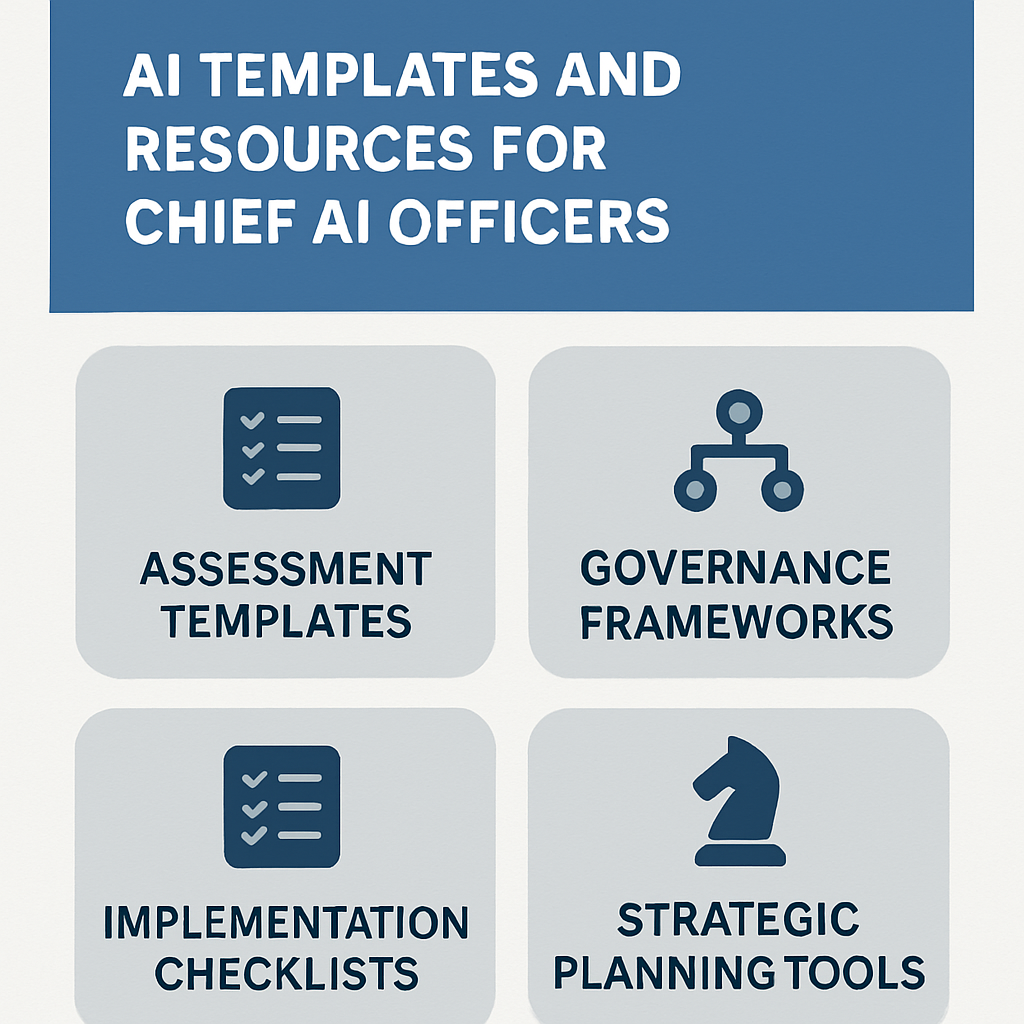
Figure A.1: Overview of appendix resources and templates
Appendix A: CAIO Job Description Template
This template provides a starting point for organizations developing a job description for the Chief AI Officer role. It should be customized based on organizational size, industry, strategic priorities, and specific needs.
Chief AI Officer (CAIO)
Position Summary
The Chief AI Officer (CAIO) will lead the organization's artificial intelligence strategy and implementation, driving innovation and value creation through responsible AI adoption. Reporting to the [CEO/CTO/other], the CAIO will collaborate across the organization to identify AI opportunities, develop necessary capabilities, and ensure effective execution of AI initiatives aligned with business objectives.
Key Responsibilities
- Strategy Development and Leadership
- Develop and execute a comprehensive AI strategy aligned with organizational objectives
- Identify and prioritize AI opportunities across business units and functions
- Establish vision, roadmap, and success metrics for AI initiatives
- Serve as the organization's thought leader and advocate for AI innovation
- Collaborate with executive leadership to integrate AI into broader business strategy
- Governance and Risk Management
- Establish AI governance frameworks, policies, and standards
- Develop and implement responsible AI principles and practices
- Ensure compliance with relevant regulations and industry standards
- Identify and mitigate risks associated with AI development and deployment
- Lead ethical considerations related to AI applications
- Capability Development
- Build and lead high-performing AI teams
- Develop data infrastructure and architecture to support AI initiatives
- Establish technical standards and best practices for AI development
- Create frameworks for measuring and communicating AI impact
- Foster AI literacy and skills development across the organization
- Implementation and Value Realization
- Oversee implementation of strategic AI initiatives
- Ensure effective integration of AI solutions into business processes
- Develop approaches for measuring and maximizing value from AI investments
- Drive adoption and change management for AI-enabled transformation
- Establish processes for continuous improvement and learning
- Ecosystem Development
- Identify and manage strategic partnerships with AI vendors, research institutions, and other external organizations
- Stay current with emerging AI technologies, trends, and best practices
- Represent the organization in industry forums and collaborative initiatives
- Build relationships with key stakeholders in the AI ecosystem
Qualifications
- Education and Experience
- Advanced degree in computer science, data science, engineering, or related field
- [8-15] years of experience in AI, machine learning, or related fields
- [5+] years of leadership experience in technology or analytics roles
- Demonstrated success in developing and implementing AI strategies and solutions
- Experience building and leading technical teams
- Technical Knowledge
- Deep understanding of AI technologies, methodologies, and applications
- Knowledge of data architecture, infrastructure, and governance
- Familiarity with AI development processes and best practices
- Understanding of AI ethics, responsible development, and regulatory considerations
- Business and Leadership Skills
- Strategic thinking and business acumen
- Excellent communication and stakeholder management abilities
- Change leadership and organizational transformation experience
- Ability to translate technical concepts for non-technical audiences
- Collaborative approach to working across organizational boundaries
Appendix B: AI Strategy Framework Template
This framework provides a structured approach for developing a comprehensive AI strategy. Organizations should adapt it based on their specific context, priorities, and maturity level.
AI Strategy Framework
1. Executive Summary
Brief overview of the AI strategy, including vision, key objectives, strategic priorities, and expected outcomes.
2. Strategic Context
- Business Context: Overview of organizational strategy, priorities, and challenges that AI can address
- Industry Landscape: Analysis of industry trends, competitive dynamics, and AI adoption patterns
- Current State Assessment: Evaluation of existing AI capabilities, initiatives, and maturity
- Opportunity Assessment: Identification of key opportunities for AI to create value
3. Vision and Objectives
- AI Vision Statement: Aspirational description of the desired future state
- Strategic Objectives: Specific, measurable goals that the AI strategy aims to achieve
- Success Metrics: Key performance indicators that will track progress and impact
4. Strategic Priorities
- Value Creation Focus Areas: Key domains where AI will be prioritized (e.g., customer experience, operational efficiency, product innovation)
- Capability Development Priorities: Critical capabilities that need to be built or enhanced
- Organizational Change Priorities: Key shifts in culture, processes, or structures needed to enable success
5. Implementation Roadmap
- Phased Approach: Sequencing of initiatives over time (e.g., short-term, medium-term, long-term)
- Key Initiatives: Specific programs or projects that will implement the strategy
- Resource Requirements: Talent, technology, data, and financial resources needed
- Dependencies and Risks: Critical dependencies and potential risks to be managed
6. Governance and Operating Model
- Governance Structure: Decision-making bodies, roles, and responsibilities
- Operating Model: How AI capabilities will be organized and delivered
- Policies and Standards: Key policies, standards, and guidelines that will govern AI development and deployment
7. Capability Development Plan
- Talent Strategy: Approach for acquiring, developing, and retaining necessary talent
- Technology and Infrastructure: Plan for developing required technical capabilities
- Data Strategy: Approach for ensuring access to high-quality data
- Process Development: Plan for establishing necessary processes and methodologies
8. Change Management and Communication
- Stakeholder Analysis: Identification of key stakeholders and their interests
- Change Management Approach: Strategy for driving adoption and managing organizational change
- Communication Plan: Approach for communicating the strategy to different audiences
9. Value Realization Framework
- Value Measurement Approach: Methodology for measuring and tracking value creation
- Benefit Realization Process: Process for ensuring benefits are captured and sustained
- Continuous Improvement Mechanism: Approach for ongoing learning and strategy refinement
10. Appendices
- Detailed initiative descriptions
- Resource plans and budgets
- Technical architecture diagrams
- Detailed implementation timelines
- Other supporting materials
Appendix C: AI Governance Charter Template
This template provides a starting point for establishing an AI governance framework. Organizations should adapt it based on their specific governance needs, organizational structure, and risk profile.
AI Governance Charter
1. Purpose and Scope
- Purpose: Define the objectives and rationale for the AI governance framework
- Scope: Clarify what is covered by the governance framework (e.g., types of AI systems, organizational units)
- Alignment: Describe how AI governance relates to other governance frameworks within the organization
2. Governance Principles
Core principles that guide AI development and deployment, such as:
- Responsible Innovation: Balancing innovation with appropriate risk management
- Ethical Development: Ensuring AI systems align with organizational values and ethical standards
- Transparency and Explainability: Providing appropriate visibility into AI systems and decisions
- Accountability: Establishing clear ownership and responsibility for AI systems
- Human-Centered Design: Prioritizing human well-being and agency in AI development
- Continuous Improvement: Committing to ongoing learning and enhancement of governance practices
3. Governance Structure
- AI Steering Committee
- Composition: Key executives and stakeholders (e.g., CAIO, CIO, business leaders, legal, risk)
- Responsibilities: Strategic oversight, policy approval, major initiative approval, risk tolerance setting
- Meeting Cadence: Frequency and format of meetings
- AI Ethics Committee
- Composition: Cross-functional representatives with diverse perspectives
- Responsibilities: Ethical review of AI initiatives, policy development, addressing ethical challenges
- Meeting Cadence: Frequency and format of meetings
- AI Risk and Compliance Function
- Composition: Risk management, compliance, and AI specialists
- Responsibilities: Risk assessment, compliance monitoring, policy implementation
- Business Unit AI Leads
- Responsibilities: Ensuring governance implementation within business units, escalating issues
4. Decision Rights and Processes
- Decision Framework: RACI matrix or similar tool defining who is Responsible, Accountable, Consulted, and Informed for key decisions
- Approval Processes: Procedures for reviewing and approving AI initiatives based on risk level
- Escalation Paths: Clear processes for escalating issues or concerns
5. Policies and Standards
- AI Ethics Policy: Principles and guidelines for ethical AI development
- AI Risk Management Policy: Approach for identifying, assessing, and mitigating AI risks
- Data Governance Policy: Requirements for data quality, privacy, and security
- Model Development Standards: Technical standards and best practices for AI development
- Documentation Requirements: Standards for documenting AI systems and decisions
6. Risk Management Framework
- Risk Taxonomy: Categories of AI risks to be managed (e.g., technical, ethical, operational)
- Risk Assessment Process: Methodology for evaluating risks associated with AI initiatives
- Risk Mitigation Strategies: Approaches for addressing identified risks
- Monitoring and Review: Processes for ongoing risk monitoring and periodic reviews
7. Compliance and Audit
- Regulatory Compliance: Processes for ensuring adherence to relevant regulations
- Internal Audit: Approach for periodic auditing of AI systems and governance effectiveness
- External Validation: Framework for third-party validation when appropriate
8. Incident Management
- Incident Response Process: Procedures for responding to AI-related incidents or failures
- Roles and Responsibilities: Clear definition of who does what during incidents
- Communication Protocols: Guidelines for internal and external communication during incidents
- Learning Process: Approach for capturing lessons learned and improving systems
9. Reporting and Metrics
- Governance Metrics: Key indicators for measuring governance effectiveness
- Reporting Cadence: Frequency and format of governance reporting
- Stakeholder Communication: Approach for keeping stakeholders informed about governance activities
10. Continuous Improvement
- Review Process: Methodology for periodically reviewing and updating the governance framework
- Feedback Mechanisms: Channels for gathering input from stakeholders
- Knowledge Sharing: Approaches for sharing lessons learned and best practices
Appendix D: AI Project Assessment Template
This template provides a structured approach for evaluating potential AI projects. Organizations should adapt it based on their specific evaluation criteria, strategic priorities, and risk tolerance.
AI Project Assessment Template
1. Project Overview
- Project Name: [Project Name]
- Business Sponsor: [Name and Role]
- Technical Lead: [Name and Role]
- Brief Description: [1-2 sentence description of the project]
- Proposed Timeline: [Estimated start and end dates]
- Estimated Budget: [Initial budget estimate]
2. Strategic Alignment
- Business Objectives: What specific business objectives does this project address?
- Strategic Priorities: How does this project align with organizational strategic priorities?
- AI Strategy Alignment: How does this project support the AI strategy?
- Strategic Alignment Score: [1-5 scale, with 5 being highest alignment]
3. Value Assessment
- Value Drivers: What specific sources of value will this project create? (e.g., revenue growth, cost reduction, risk mitigation, customer experience enhancement)
- Quantitative Benefits: What are the estimated quantifiable benefits? (provide specific metrics and estimates)
- Qualitative Benefits: What non-quantifiable benefits are expected?
- Time to Value: How quickly can initial value be realized?
- Value Sustainability: How sustainable is the value over time?
- Value Score: [1-5 scale, with 5 being highest value]
4. Technical Feasibility
- AI Approach: What specific AI techniques or approaches will be used?
- Data Requirements: What data is needed, and is it available with sufficient quality?
- Technical Complexity: How complex is the proposed solution from a technical perspective?
- Integration Requirements: What systems or processes will this solution need to integrate with?
- Technical Risks: What are the key technical risks or challenges?
- Feasibility Score: [1-5 scale, with 5 being highest feasibility]
5. Implementation Considerations
- Resource Requirements: What talent, technology, and other resources are needed?
- Dependencies: What external dependencies could impact implementation?
- Change Management: What organizational changes will be required for successful implementation?
- Implementation Risks: What are the key implementation risks or challenges?
- Implementation Complexity Score: [1-5 scale, with 1 being lowest complexity]
6. Ethical and Risk Assessment
- Ethical Considerations: What ethical issues or considerations are relevant to this project?
- Potential Biases: What potential biases could affect the AI system?
- Privacy Implications: What privacy considerations are relevant?
- Transparency Requirements: What level of explainability or transparency is needed?
- Regulatory Considerations: What regulations or compliance requirements apply?
- Risk Mitigation Strategies: How will identified risks be addressed?
- Risk Score: [1-5 scale, with 1 being lowest risk]
7. Overall Assessment
- Composite Score: [Weighted average of above scores]
- Recommendation: [Proceed, Proceed with Modifications, Further Investigation Needed, Do Not Proceed]
- Key Considerations: [Summary of critical factors influencing the recommendation]
- Next Steps: [Specific actions required to move forward]
8. Approval
- Business Sponsor Approval: [Name, Signature, Date]
- Technical Lead Approval: [Name, Signature, Date]
- CAIO Approval: [Name, Signature, Date]
- Other Required Approvals: [Names, Signatures, Dates as appropriate]
Appendix E: AI Ethics Guidelines Template
This template provides a starting point for developing AI ethics guidelines. Organizations should adapt it based on their specific values, industry context, and ethical priorities.
AI Ethics Guidelines
1. Purpose and Scope
- Purpose: These guidelines establish ethical principles and practices for the development and deployment of artificial intelligence systems within our organization.
- Scope: These guidelines apply to all AI systems developed, deployed, or used by the organization, including those created by third parties on our behalf.
2. Core Ethical Principles
2.1 Human-Centered Value
- AI systems should be designed to augment human capabilities and improve human well-being.
- Human interests, agency, and dignity should be prioritized in AI development and deployment.
- AI should create value for individuals, communities, and society, not just for the organization.
2.2 Fairness and Non-Discrimination
- AI systems should be designed to avoid creating or reinforcing unfair bias against individuals or groups.
- Data used to train AI systems should be evaluated for potential biases and steps taken to mitigate them.
- AI systems should be regularly tested for disparate impacts across different demographic groups.
2.3 Transparency and Explainability
- AI systems should be designed with appropriate levels of transparency based on their context and impact.
- Stakeholders should be provided with meaningful information about how AI systems work and make decisions.
- High-impact decisions should be explainable in terms understandable to affected individuals.
2.4 Privacy and Data Protection
- AI systems should respect privacy rights and protect personal data in accordance with relevant regulations and best practices.
- Data collection and use should be limited to what is necessary for the intended purpose.
- Individuals should have appropriate control over their data and how it is used in AI systems.
2.5 Security and Safety
- AI systems should be designed to be secure against unauthorized access, manipulation, or misuse.
- Potential safety risks should be identified and mitigated throughout the AI lifecycle.
- Systems should be robust against both malicious attacks and unintentional failures.
2.6 Accountability
- Clear lines of responsibility and accountability should be established for AI systems.
- Mechanisms should exist for addressing concerns, providing redress, and ensuring oversight.
- Organizations and individuals should be accountable for the impacts of AI systems they develop or deploy.
2.7 Scientific Excellence and Integrity
- AI development should adhere to high standards of scientific rigor and technical excellence.
- Claims about AI capabilities should be accurate and supported by evidence.
- Limitations and uncertainties should be transparently communicated.
3. Implementation Guidelines
3.1 Ethical Risk Assessment
- All AI initiatives should undergo an ethical risk assessment during the planning phase.
- The assessment should identify potential ethical issues and develop mitigation strategies.
- Higher-risk initiatives should receive more extensive review, potentially including external perspectives.
3.2 Diverse and Inclusive Development
- AI development teams should include diverse perspectives and backgrounds.
- Stakeholder engagement should include representatives of potentially affected groups.
- Inclusive design practices should be employed to ensure AI systems work well for diverse users.
3.3 Testing and Validation
- AI systems should undergo rigorous testing for performance, bias, and potential harms before deployment.
- Testing should include diverse scenarios and edge cases that might affect different user groups.
- Independent validation should be considered for high-impact systems.
3.4 Ongoing Monitoring and Evaluation
- AI systems should be continuously monitored for performance, bias, and ethical issues after deployment.
- Regular audits should be conducted to ensure ongoing compliance with ethical guidelines.
- Feedback mechanisms should be established to capture concerns from users and other stakeholders.
3.5 Documentation and Transparency
- AI systems should be documented in ways that enable appropriate oversight and accountability.
- Documentation should include information about data sources, development processes, testing results, and known limitations.
- Appropriate information should be made available to relevant stakeholders based on their needs and rights.
3.6 Human Oversight
- Appropriate human oversight should be maintained for all AI systems based on their context and impact.
- Clear processes should exist for human review of high-impact or contested decisions.
- Humans should retain the ability to override AI decisions when appropriate.
4. Governance and Compliance
- Ethics Committee: An AI Ethics Committee will oversee implementation of these guidelines and address complex ethical issues.
- Training and Awareness: All personnel involved in AI development or deployment will receive training on these guidelines.
- Reporting Concerns: Channels will be provided for reporting ethical concerns related to AI systems.
- Continuous Improvement: These guidelines will be regularly reviewed and updated based on emerging best practices and lessons learned.
- Compliance: Compliance with these guidelines is mandatory for all AI initiatives within the organization.
Appendix F: Recommended Resources
The following resources provide additional information, tools, and perspectives that can support Chief AI Officers and organizations in their AI journey.
Books
- Agrawal, A., Gans, J., & Goldfarb, A. (2018). Prediction Machines: The Simple Economics of Artificial Intelligence. Harvard Business Review Press.
- Brynjolfsson, E., & McAfee, A. (2017). Machine, Platform, Crowd: Harnessing Our Digital Future. W. W. Norton & Company.
- Davenport, T. H., & Ronanki, R. (2022). The AI Advantage: How to Put the Artificial Intelligence Revolution to Work. MIT Press.
- Iansiti, M., & Lakhani, K. R. (2020). Competing in the Age of AI: Strategy and Leadership When Algorithms and Networks Run the World. Harvard Business Review Press.
- Russell, S. (2019). Human Compatible: Artificial Intelligence and the Problem of Control. Viking.
Research and Industry Reports
- McKinsey Global Institute. (2023). The State of AI in 2023: Generative AI's Breakout Year.
- Deloitte. (2023). AI Institute: State of AI in the Enterprise.
- Stanford University. (2023). Artificial Intelligence Index Report.
- World Economic Forum. (2022). The Global Risks Report: AI Governance.
- Gartner. (2023). Hype Cycle for Artificial Intelligence.
Organizations and Communities
- Partnership on AI: Multi-stakeholder organization focused on best practices in AI.
- AI Now Institute: Research organization examining the social implications of AI.
- IEEE Global Initiative on Ethics of Autonomous and Intelligent Systems: Developing standards and guidelines for ethical AI.
- OECD AI Policy Observatory: Resources on AI policy and governance.
- Data & Trust Alliance: Business-led initiative to establish responsible data and AI practices.
Frameworks and Tools
- NIST AI Risk Management Framework: Guidance for managing risks in AI systems.
- ISO/IEC Standards for AI: Emerging international standards for AI development and governance.
- IBM AI Fairness 360: Open-source toolkit for detecting and mitigating bias in AI systems.
- Google's Model Cards: Framework for transparent documentation of machine learning models.
- Microsoft's Responsible AI Resources: Tools and guidelines for responsible AI development.
Online Courses and Learning Resources
- AI for Everyone (Coursera): Introduction to AI concepts for non-technical leaders.
- AI Business School (Microsoft): Executive-focused learning paths on AI strategy and implementation.
- Ethics of AI (edX): Course on ethical considerations in AI development.
- AI Strategy for Business Leaders (INSEAD): Executive education on AI strategy.
- Data Science for Business (Harvard Business School Online): Course on leveraging data and analytics for business value.