Chapter 6: Challenges and Solutions in AI Leadership
In This Chapter:
While the Chief AI Officer role offers tremendous opportunity to drive organizational transformation, it also presents significant challenges that must be overcome for successful implementation. This chapter examines the most common challenges faced by CAIOs and provides practical solutions based on real-world experience. By anticipating these challenges and preparing appropriate responses, CAIOs can navigate potential obstacles more effectively and increase their likelihood of success.
Technical Challenges and Solutions
CAIOs face numerous technical challenges that can impede successful AI implementation. These challenges often require sophisticated solutions that balance technical sophistication with practical constraints.
Data Quality and Availability: Perhaps the most common technical challenge involves data quality, availability, and integration issues. Many organizations discover that their data assets are insufficient to support advanced AI applications, with problems including:
- Incomplete Data: Missing values, partial records, or insufficient historical depth.
- Inconsistent Data: Contradictory information, format inconsistencies, or definitional variations.
- Inaccessible Data: Information trapped in legacy systems, siloed repositories, or external sources.
- Unstructured Data: Information in formats that resist easy analysis, such as free text, images, or audio.
- Biased Data: Historical information that reflects past biases or inequities.
These data challenges can undermine AI initiatives regardless of other capabilities, as even sophisticated algorithms cannot overcome fundamental data limitations.
Solutions: Effective CAIOs address data challenges through multi-faceted approaches:
- Data Strategy Development: Creating comprehensive data strategies that identify critical data assets, establish quality standards, and define governance approaches.
- Incremental Improvement: Implementing progressive data enhancement rather than waiting for perfect data, starting with available assets while systematically addressing quality issues.
- Synthetic Data Generation: Using techniques to create artificial data for training and testing when actual data is insufficient or problematic.
- Alternative Data Sources: Identifying external data sources, third-party datasets, or proxy information that can supplement internal data.
- Data Governance: Establishing clear ownership, quality standards, and management processes for critical data assets.
Successful CAIOs recognize that data challenges represent both technical and organizational issues, requiring collaboration across functions to establish appropriate standards, processes, and governance mechanisms.
Infrastructure and Scalability: Many organizations discover that their existing technical infrastructure cannot support AI workloads, which often have different characteristics than traditional applications. Common infrastructure challenges include:
- Computational Limitations: Insufficient processing power for training complex models or handling real-time inference.
- Storage Constraints: Inadequate capacity for large datasets or inefficient architectures for AI workloads.
- Network Bottlenecks: Bandwidth limitations that impede data movement or create latency issues.
- Scalability Problems: Inability to scale resources dynamically based on changing workload requirements.
- Integration Difficulties: Challenges connecting AI systems with existing applications and data sources.
These infrastructure limitations can create significant barriers to implementation, particularly for more sophisticated AI applications with substantial resource requirements.
Solutions: Effective CAIOs address infrastructure challenges through several approaches:
- Cloud Adoption: Leveraging cloud platforms that provide scalable resources, specialized AI services, and flexible deployment options.
- Hybrid Architectures: Developing architectures that combine on-premises resources with cloud capabilities based on specific requirements.
- Edge Computing: Implementing edge processing for applications with latency sensitivity or bandwidth constraints.
- Infrastructure Modernization: Upgrading critical infrastructure components to support AI workloads while maintaining integration with existing systems.
- Containerization and Orchestration: Using container technologies and orchestration platforms to improve resource utilization and deployment flexibility.
Successful infrastructure approaches balance immediate needs with longer-term architectural vision, creating foundations that support current applications while enabling future evolution.
Technical Debt and Legacy Systems: Many organizations struggle with technical debt and legacy systems that complicate AI implementation. These challenges include:
- Monolithic Architectures: Tightly coupled systems that resist modular enhancement or integration.
- Outdated Technologies: Systems built on obsolete platforms with limited support and integration capabilities.
- Documentation Gaps: Missing or outdated documentation that complicates understanding and modification.
- Customization Complexity: Heavily customized systems that create unique integration challenges.
- Operational Constraints: Mission-critical systems that cannot tolerate disruption during enhancement.
These legacy challenges can significantly complicate AI implementation, particularly for applications that require integration with core business systems.
Solutions: Effective CAIOs address legacy challenges through several approaches:
- API Layers: Creating abstraction layers that enable interaction with legacy systems without direct modification.
- Microservices Architecture: Gradually decomposing monolithic systems into modular services that enable incremental modernization.
- Parallel Implementation: Building new capabilities alongside legacy systems with appropriate integration points.
- Selective Modernization: Prioritizing modernization efforts based on strategic importance and implementation requirements.
- Decommissioning Strategies: Developing approaches for retiring legacy systems as replacement capabilities become available.
Successful approaches to legacy challenges balance pragmatic acceptance of constraints with strategic vision for modernization, finding ways to deliver value within existing limitations while creating pathways toward more flexible architectures.
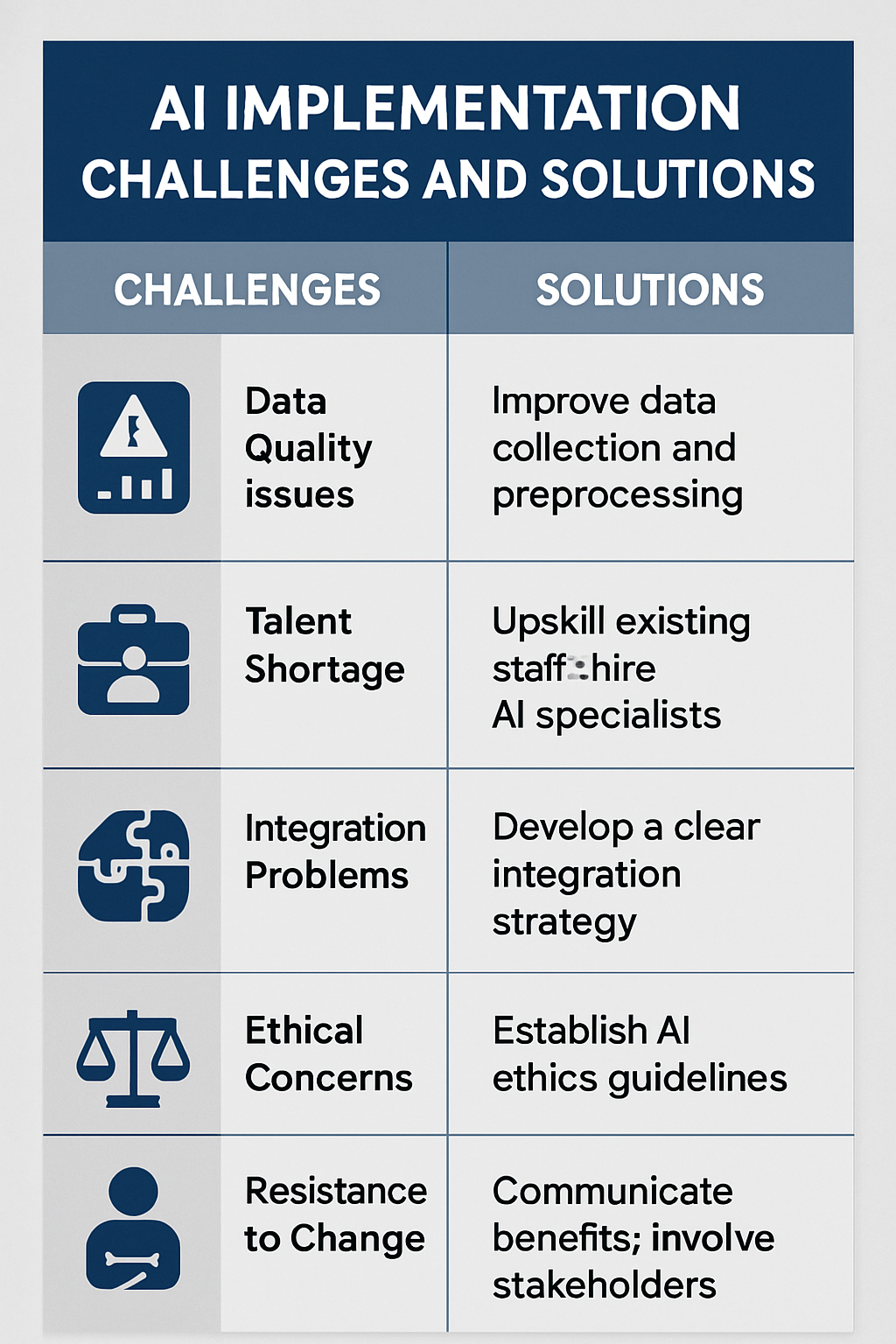
Figure 6.1: Technical challenges and solutions framework for AI implementation
Addressing technical challenges requires sophisticated approaches that combine technical expertise with organizational understanding. Effective CAIOs develop comprehensive technical strategies that acknowledge current limitations while creating pathways toward more capable environments, balancing immediate implementation needs with longer-term architectural vision.
Organizational Challenges and Solutions
Beyond technical issues, CAIOs face significant organizational challenges that can impede successful implementation. These challenges often involve cultural factors, structural issues, and change management considerations.
Cultural Resistance: Many organizations experience cultural resistance to AI adoption, manifesting in various forms:
- Fear of Displacement: Concerns about job loss or role devaluation due to automation.
- Skepticism About Value: Doubts about AI's ability to deliver meaningful benefits relative to costs and disruption.
- Distrust of "Black Box" Systems: Discomfort with systems whose decision processes lack transparency.
- Experience with Previous Failures: Negative perceptions based on unsuccessful prior technology initiatives.
- Professional Identity Concerns: Resistance from individuals whose expertise or status might be affected by new approaches.
These cultural factors can create significant barriers to adoption regardless of technical capabilities, as successful implementation ultimately depends on human acceptance and engagement.
Solutions: Effective CAIOs address cultural challenges through several approaches:
- Narrative Development: Creating compelling stories that explain AI's purpose, benefits, and implications in human-centered terms.
- Augmentation Emphasis: Focusing on how AI augments human capabilities rather than replaces them, highlighting partnership models.
- Participatory Design: Involving potential users in solution design to incorporate their expertise and address their concerns.
- Transparent Communication: Providing honest information about potential impacts, transition approaches, and support mechanisms.
- Success Demonstration: Implementing visible "lighthouse" projects that demonstrate tangible benefits and build confidence.
Successful cultural approaches recognize legitimate concerns while creating excitement about future possibilities, acknowledging potential challenges while emphasizing opportunities for growth and enhancement.
Organizational Silos: Many organizations struggle with functional or business unit silos that complicate AI implementation. These siloed structures create several challenges:
- Data Fragmentation: Critical information divided across different systems and ownership boundaries.
- Process Disconnection: End-to-end processes split across multiple organizational boundaries.
- Competing Priorities: Different units with distinct objectives that may not align with enterprise AI initiatives.
- Resource Competition: Multiple groups seeking limited technical resources or implementation support.
- Inconsistent Approaches: Different units pursuing independent AI initiatives without coordination.
These organizational boundaries can significantly impede implementation, particularly for applications that span multiple domains or require enterprise-wide coordination.
Solutions: Effective CAIOs address organizational silos through several approaches:
- Cross-Functional Governance: Establishing governance mechanisms that bring together leaders from different functions and business units.
- Joint Funding Models: Creating shared investment approaches that encourage collaboration rather than competition.
- Enterprise Use Cases: Identifying and prioritizing opportunities that deliver benefits across organizational boundaries.
- Executive Alignment: Securing C-suite commitment to cross-functional collaboration and resource sharing.
- Boundary-Spanning Roles: Creating positions specifically designed to work across organizational boundaries.
Successful approaches to organizational silos balance respect for legitimate functional differences with mechanisms for appropriate collaboration, creating structures that enable coordination without undermining necessary specialization.
Change Velocity: Many organizations struggle with the pace of change required for successful AI implementation. These velocity challenges include:
- Decision Inertia: Slow decision processes that impede rapid experimentation and iteration.
- Risk Aversion: Excessive caution that prevents appropriate risk-taking and innovation.
- Process Rigidity: Inflexible procedures that cannot accommodate new approaches or technologies.
- Change Saturation: Organizations already experiencing multiple changes that limit capacity for additional initiatives.
- Capability Gaps: Insufficient change management capabilities to support rapid transformation.
These velocity challenges can create significant barriers to implementation, particularly in organizations with traditional cultures or regulated environments.
Solutions: Effective CAIOs address velocity challenges through several approaches:
- Agile Methodologies: Implementing iterative approaches that enable incremental progress rather than requiring comprehensive planning.
- Dedicated Resources: Creating protected teams with dedicated resources that can move faster than general organizational processes.
- Tiered Governance: Establishing different approval processes based on risk level, with streamlined approaches for lower-risk initiatives.
- Executive Sponsorship: Securing senior leadership support for accelerated approaches in priority areas.
- Change Capability Building: Developing organizational change management capabilities that enable faster adaptation.
Figure 6.2: Organizational challenges and solutions framework for AI implementation
Successful approaches to velocity challenges balance speed with appropriate control, creating accelerated pathways for innovation while maintaining necessary governance for higher-risk initiatives.
Ethical and Governance Challenges
CAIOs face significant ethical and governance challenges that require sophisticated approaches balancing innovation with appropriate oversight. These challenges involve both technical and organizational dimensions.
Bias and Fairness: AI systems can perpetuate or amplify existing biases, creating significant ethical challenges:
- Data Bias: Training data that reflects historical biases or inequities, leading to biased outputs.
- Algorithmic Bias: Model designs that inadvertently favor certain groups or outcomes.
- Deployment Bias: Implementation approaches that create differential impacts across different populations.
- Interpretation Bias: Human interpretation of AI outputs that introduces subjective biases.
- Feedback Loop Bias: Systems that reinforce initial biases through ongoing learning from biased outcomes.
These bias challenges create both ethical risks and potential legal/regulatory exposure, particularly for applications in sensitive domains like hiring, lending, or resource allocation.
Solutions: Effective CAIOs address bias challenges through several approaches:
- Diverse Development Teams: Creating teams with diverse backgrounds, perspectives, and experiences to identify potential bias issues.
- Bias Detection Methods: Implementing technical approaches for identifying and measuring potential bias in data, algorithms, and outputs.
- Fairness Metrics: Establishing explicit fairness criteria and measurement approaches for different application types.
- Bias Mitigation Techniques: Applying technical methods for reducing bias in data preparation, model development, and deployment.
- Ongoing Monitoring: Establishing continuous monitoring processes that track potential bias emergence over time.
Successful approaches to bias challenges combine technical methods with organizational processes, recognizing that addressing bias requires both sophisticated algorithms and diverse human perspectives.
Transparency and Explainability: Many AI systems operate as "black boxes" whose decision processes resist easy explanation, creating several challenges:
- User Trust Issues: Reluctance to accept recommendations or decisions without understanding their basis.
- Regulatory Requirements: Legal obligations to provide explanations for certain types of automated decisions.
- Debugging Difficulties: Challenges identifying and addressing errors without understanding decision processes.
- Accountability Gaps: Unclear responsibility for outcomes when decision processes are opaque.
- Improvement Barriers: Difficulties enhancing systems without understanding their current operation.
These transparency challenges create significant barriers to adoption, particularly in domains with high stakes or regulatory requirements.
Solutions: Effective CAIOs address transparency challenges through several approaches:
- Explainable AI Methods: Implementing technical approaches that enable understanding of model behavior and decision factors.
- Model Selection: Choosing more interpretable models for applications where explanation is critical, even if they offer somewhat lower performance.
- Layered Explanation: Providing different explanation types for different audiences, from simplified overviews to detailed technical explanations.
- Process Transparency: Ensuring clarity about overall processes even when specific algorithms resist simple explanation.
- Human Oversight: Maintaining appropriate human review and intervention capabilities, particularly for high-stakes decisions.
Successful approaches to transparency balance technical sophistication with practical explanation needs, recognizing that different stakeholders require different types and levels of understanding.
Privacy and Data Protection: AI applications often involve sensitive data, creating significant privacy challenges:
- Data Collection Issues: Gathering information without appropriate consent or transparency.
- Data Use Concerns: Using information for purposes beyond original collection intent.
- Data Sharing Risks: Transferring information across organizational or jurisdictional boundaries.
- Re-identification Threats: Combining supposedly anonymous data with other sources to identify individuals.
- Security Vulnerabilities: Protecting sensitive information from unauthorized access or breaches.
These privacy challenges create significant ethical and regulatory risks, particularly given increasing privacy regulation in many jurisdictions.
Solutions: Effective CAIOs address privacy challenges through several approaches:
- Privacy by Design: Incorporating privacy considerations from the beginning of development rather than as afterthoughts.
- Data Minimization: Collecting and retaining only information necessary for specific purposes rather than accumulating unnecessary data.
- Privacy-Preserving Techniques: Implementing methods like differential privacy, federated learning, or homomorphic encryption that enable analysis while protecting sensitive information.
- Consent Management: Establishing clear processes for obtaining, recording, and honoring consent for data collection and use.
- Privacy Impact Assessment: Conducting structured evaluations of privacy implications before implementing new capabilities.
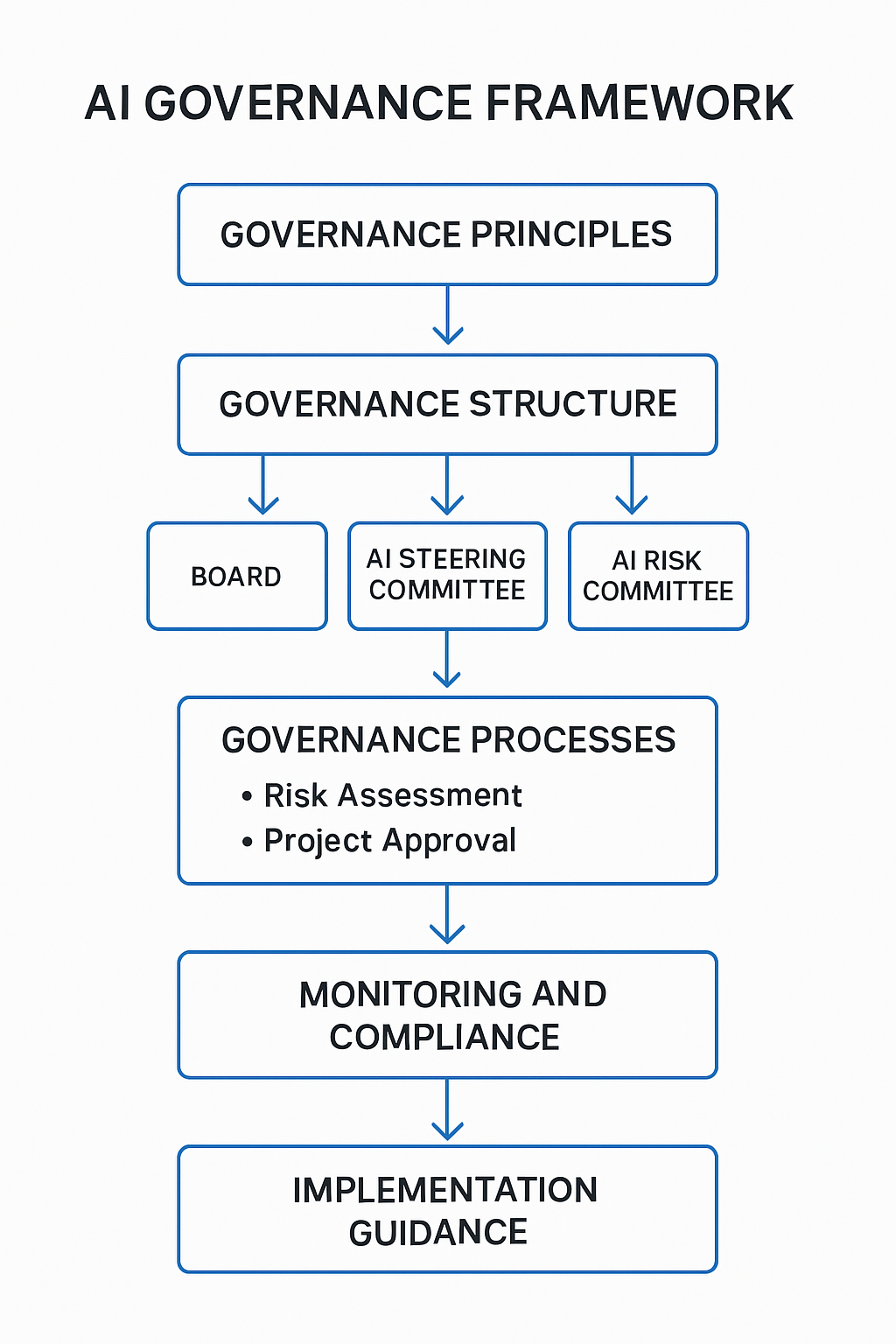
Figure 6.3: Ethical and governance framework for responsible AI implementation
Successful approaches to privacy challenges balance data utilization with appropriate protection, finding ways to derive value from information while respecting individual rights and regulatory requirements.
Talent and Skill Challenges
CAIOs face significant talent challenges that can impede successful implementation. These challenges involve both specialized technical skills and broader organizational capabilities.
Technical Talent Scarcity: Many organizations struggle to attract and retain specialized AI talent, facing several challenges:
- Competitive Market: Intense competition for limited talent, particularly from technology companies with strong employer brands.
- Compensation Expectations: Salary requirements that may exceed traditional organizational structures.
- Geographic Constraints: Talent concentration in specific locations that may not align with organizational presence.
- Career Path Limitations: Perceived advancement constraints in organizations without established technical career tracks.
- Work Environment Expectations: Preferences for specific tools, methodologies, and cultural elements that may not match organizational norms.
These talent challenges can create significant barriers to implementation, particularly for more sophisticated applications requiring specialized expertise.
Solutions: Effective CAIOs address technical talent challenges through several approaches:
- Talent Strategy Development: Creating comprehensive approaches that address recruitment, development, engagement, and retention.
- Alternative Sourcing: Exploring non-traditional talent sources, including internal development, university partnerships, and remote work arrangements.
- Technical Environment Enhancement: Creating appealing technical environments with modern tools, interesting problems, and opportunities for innovation.
- Career Path Creation: Establishing technical career tracks that provide advancement opportunities without requiring management transitions.
- Engagement Focus: Developing specific approaches for engaging technical talent, including innovation time, conference participation, and research opportunities.
Successful talent approaches recognize the unique characteristics of technical professionals, creating environments that appeal to their specific motivations and preferences rather than applying generic talent management approaches.
Skill Development at Scale: Beyond specialized talent, organizations need broader AI literacy and capability development across multiple roles:
- Executive Understanding: Senior leaders who understand AI sufficiently to make informed strategic decisions.
- Business Translation: Professionals who can connect business needs with technical possibilities.
- Implementation Capability: Teams that can successfully deploy and integrate AI solutions.
- Operational Support: Staff who can maintain and enhance AI capabilities over time.
- User Adoption: End users who can work effectively with AI-enabled systems and processes.
These broader skill challenges often receive less attention than specialized talent needs but can create significant barriers to successful implementation and adoption.
Solutions: Effective CAIOs address broader skill challenges through several approaches:
- Role-Based Learning: Creating targeted development programs based on specific role requirements rather than generic AI training.
- Experiential Learning: Providing hands-on experience through project participation, rotational assignments, and practical application.
- Knowledge Networks: Establishing communities of practice, expert directories, and other mechanisms that connect practitioners across organizational boundaries.
- External Partnerships: Leveraging educational institutions, technology providers, and other external resources for capability development.
- Continuous Learning: Creating ongoing development approaches rather than one-time training events, recognizing the rapidly evolving nature of AI capabilities.
Successful skill development approaches balance immediate implementation needs with longer-term capability building, creating foundations for sustainable adoption rather than focusing exclusively on current project requirements.
Organizational Structure: Many organizations struggle with structural questions related to AI talent and capabilities:
- Centralization Decisions: Determining appropriate balance between centralized expertise and distributed capabilities.
- Reporting Relationships: Establishing effective reporting lines for AI functions within broader organizational structure.
- Role Definition: Creating clear definitions and boundaries for AI-related positions relative to existing roles.
- Team Composition: Determining appropriate mix of technical specialists, domain experts, and supporting roles.
- Integration Mechanisms: Establishing effective connections between AI functions and other organizational units.
These structural challenges can create significant barriers to effective talent deployment and utilization, even when organizations successfully attract needed capabilities.
Solutions: Effective CAIOs address structural challenges through several approaches:
- Evolutionary Models: Creating structures that evolve over time as organizational maturity increases, typically starting with more centralized approaches before shifting toward more distributed models.
- Hybrid Structures: Implementing models that combine centralized expertise with embedded resources, balancing consistency with local responsiveness.
- Matrix Approaches: Establishing dual reporting relationships that maintain connection to both central AI functions and business units.
- Coordination Mechanisms: Creating forums, processes, and roles specifically designed to facilitate collaboration across organizational boundaries.
- Regular Assessment: Conducting periodic evaluation of structural effectiveness and making adjustments based on changing needs and capabilities.
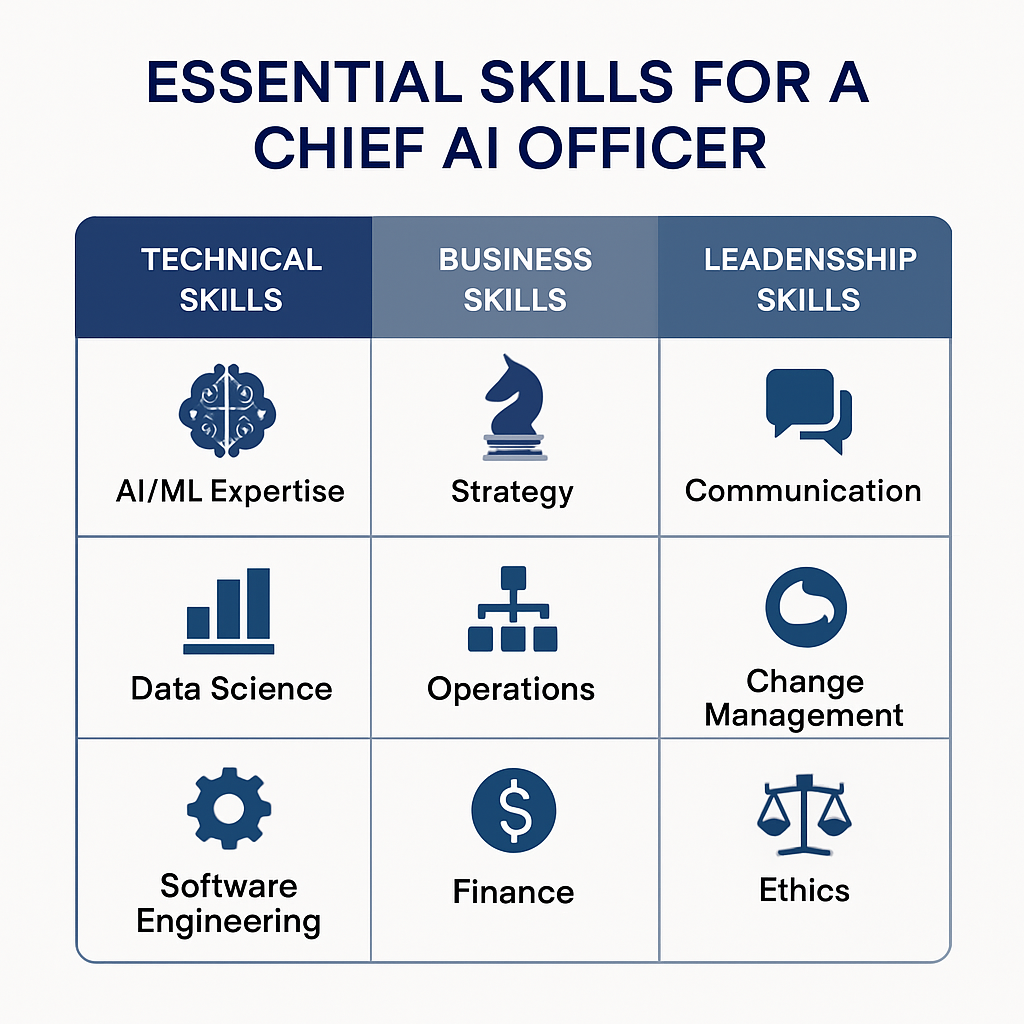
Figure 6.4: Talent and skill development framework for AI implementation
Successful structural approaches balance multiple factors, including organizational culture, existing structures, talent availability, and implementation priorities, recognizing that no single model works for all contexts.
Strategic and Business Challenges
CAIOs face significant strategic challenges that can impede successful implementation. These challenges involve business alignment, value demonstration, and strategic positioning.
Business Alignment: Many organizations struggle to connect AI initiatives with core business priorities, facing several challenges:
- Technology-Driven Approaches: Initiatives focused on technical capabilities rather than business outcomes.
- Misaligned Objectives: AI goals that don't connect clearly with strategic priorities or performance metrics.
- Stakeholder Disconnection: Limited engagement from key business leaders in AI strategy and implementation.
- Competing Priorities: Multiple initiatives competing for attention and resources without clear prioritization frameworks.
- Value Chain Disconnection: AI applications that address peripheral activities rather than core value drivers.
These alignment challenges can create significant barriers to sustained investment and support, even when initial implementation appears successful.
Solutions: Effective CAIOs address alignment challenges through several approaches:
- Business-Led Prioritization: Ensuring that business leaders play central roles in opportunity identification and prioritization.
- Strategic Mapping: Explicitly connecting AI initiatives to strategic objectives, showing clear contribution paths.
- Joint Accountability: Establishing shared responsibility between technical and business leaders for initiative outcomes.
- Value-Based Roadmaps: Creating implementation sequences based primarily on business value rather than technical considerations.
- Integrated Planning: Incorporating AI initiatives into regular business planning processes rather than maintaining separate technology roadmaps.
Successful alignment approaches recognize that AI represents a means to business ends rather than an end itself, focusing consistently on outcomes rather than technologies.
Value Demonstration: Many organizations struggle to demonstrate tangible value from AI investments, facing several challenges:
- Measurement Difficulties: Challenges quantifying benefits, particularly for applications focused on experience enhancement or risk reduction.
- Attribution Complexity: Difficulties isolating AI impact from other factors affecting performance.
- Time Horizon Misalignment: Tension between short-term performance expectations and longer-term transformation potential.
- Investment Justification: Challenges securing continued funding without clear demonstration of returns on initial investments.
- Expectation Management: Balancing ambitious vision with realistic near-term results to maintain credibility.
These value challenges can create significant barriers to sustained investment, particularly in organizations with strong financial discipline or resource constraints.
Solutions: Effective CAIOs address value challenges through several approaches:
- Comprehensive Measurement: Developing measurement frameworks that capture multiple value dimensions, including both quantitative and qualitative benefits.
- Portfolio Balancing: Creating balanced initiative portfolios that include quick wins alongside more transformative opportunities with longer payback periods.
- Baseline Establishment: Implementing rigorous approaches for establishing performance baselines before implementation, enabling accurate measurement of changes.
- Value Realization: Establishing processes that ensure identified benefits translate into actual organizational outcomes through appropriate change management.
- Stakeholder Engagement: Involving key stakeholders in value definition and measurement to build shared understanding and commitment.
Successful value approaches balance rigorous measurement with strategic perspective, demonstrating near-term impact while maintaining focus on longer-term transformation potential.
Strategic Positioning: Many organizations struggle with fundamental questions about AI's strategic role, facing several challenges:
- Scope Definition: Determining appropriate boundaries for AI initiatives relative to other digital and technology efforts.
- Ambition Calibration: Setting appropriate aspiration levels that balance transformative potential with practical constraints.
- Competitive Positioning: Deciding whether to lead, fast-follow, or selectively apply AI capabilities relative to industry peers.
- Build vs. Buy Decisions: Determining which capabilities to develop internally versus leveraging external solutions.
- Ecosystem Strategy: Establishing approaches for engaging with external partners, vendors, and innovation networks.
These positioning challenges can create significant barriers to coherent implementation, resulting in fragmented efforts without clear strategic direction.
Solutions: Effective CAIOs address positioning challenges through several approaches:
- Strategic Dialogue: Facilitating structured conversations with senior leaders about AI's role in organizational strategy.
- Scenario Planning: Developing alternative futures that explore different strategic postures and their implications.
- Capability Assessment: Conducting honest evaluation of organizational capabilities relative to strategic ambitions.
- Competitive Analysis: Systematically examining competitor approaches to identify potential threats and opportunities.
- Strategic Frameworks: Creating explicit decision frameworks for key questions like build vs. buy or centralization vs. distribution.
Figure 6.5: Strategic and business challenges framework for AI implementation
Successful positioning approaches balance technological possibilities with organizational realities, creating ambitious but achievable strategies that reflect specific context rather than generic industry trends.
Conclusion
The challenges examined in this chapter—technical, organizational, ethical, talent, and strategic—represent common obstacles faced by CAIOs across different industries and organizational contexts. While specific manifestations vary based on organizational characteristics, these fundamental challenge categories appear consistently in AI implementation efforts.
Several key principles emerge for addressing these challenges effectively:
- Integrated Approaches: Successful solutions address both technical and organizational dimensions simultaneously, recognizing their interdependence.
- Proactive Anticipation: Effective CAIOs anticipate common challenges and develop mitigation strategies before problems emerge rather than reacting after issues arise.
- Contextual Adaptation: Solutions must be tailored to specific organizational contexts, considering culture, structure, capabilities, and strategic priorities.
- Balanced Perspective: Successful approaches balance technical sophistication with practical constraints, finding workable solutions rather than pursuing theoretical perfection.
- Continuous Evolution: Challenge responses should evolve over time as organizational capabilities develop and implementation experience accumulates.
By applying these principles to the specific challenges outlined in this chapter, CAIOs can navigate potential obstacles more effectively and increase their likelihood of successful implementation. The next chapter builds on this foundation by examining real-world case studies that illustrate how organizations have addressed these challenges in practice, providing concrete examples of both successful approaches and valuable lessons from implementation difficulties.