Chapter 9: Practical Tools and Frameworks for the CAIO
In This Chapter:
While previous chapters have explored the strategic context, responsibilities, and future trends associated with the Chief AI Officer role, this chapter focuses on practical tools and frameworks that CAIOs can use to effectively execute their responsibilities. These resources provide structured approaches for addressing key challenges, from strategy development and governance to implementation, talent management, and value measurement. By leveraging these tools, CAIOs can enhance their effectiveness and drive greater impact within their organizations.
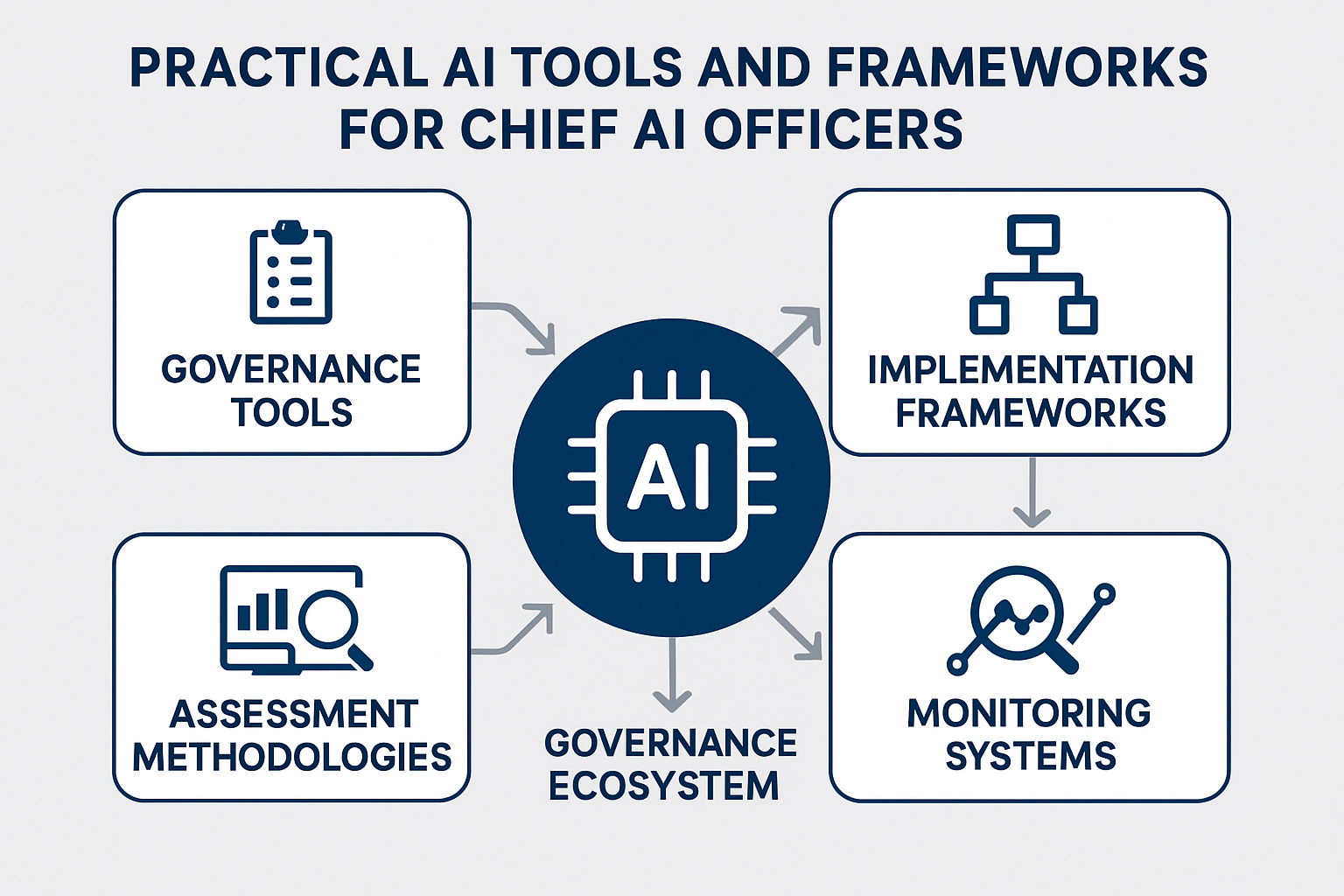
Figure 9.1: Overview of practical tools and frameworks for the CAIO
Strategy Development Frameworks
Developing a robust AI strategy requires structured approaches that align technological possibilities with business priorities. Several frameworks can help CAIOs navigate this complex process.
AI Opportunity Assessment Framework
This framework helps organizations systematically identify and prioritize potential AI applications based on feasibility, impact, and strategic alignment.
Key Components:
- Business Process Mapping: Identifying core business processes and value chains where AI could potentially create value. This mapping provides a structured overview of potential application areas.
- Opportunity Identification: Brainstorming specific AI applications within identified processes, considering both incremental improvements and transformative possibilities. This identification should involve both business and technical experts.
- Feasibility Assessment: Evaluating the technical feasibility of identified opportunities, considering data availability, algorithmic complexity, and infrastructure requirements. This assessment provides realistic perspective on implementation challenges.
- Impact Assessment: Quantifying the potential business impact of identified opportunities across multiple dimensions, including financial returns, strategic positioning, and operational improvements. This assessment clarifies potential value creation.
- Strategic Alignment Evaluation: Assessing the alignment of identified opportunities with broader organizational strategy and priorities. This evaluation ensures AI investments support core business objectives.
- Prioritization Matrix: Plotting opportunities on matrix based on feasibility and impact to facilitate prioritization decisions. This visualization helps focus resources on highest-potential initiatives.
By applying this framework, CAIOs can develop a data-driven approach for identifying and prioritizing AI initiatives that balances potential value with practical implementation considerations.
AI Maturity Model
An AI maturity model helps organizations assess their current capabilities across key dimensions and identify areas for development to support strategic objectives.
Key Dimensions:
- Strategy and Leadership: Clarity of AI vision, executive alignment, and integration with overall business strategy.
- Data Foundation: Quality, accessibility, governance, and management of data assets required for AI applications.
- Technology and Infrastructure: Availability and sophistication of tools, platforms, and infrastructure for AI development and deployment.
- Talent and Skills: Availability of necessary technical expertise, domain knowledge, and leadership capabilities.
- Governance and Ethics: Effectiveness of frameworks for managing risks, ensuring compliance, and addressing ethical considerations.
- Implementation Processes: Maturity of methodologies for developing, deploying, and managing AI applications.
- Value Realization: Effectiveness of approaches for measuring impact and ensuring benefits are captured.
By assessing maturity across these dimensions, CAIOs can identify strengths and weaknesses, benchmark against industry peers, and develop targeted roadmaps for capability development that align with strategic priorities.
AI Strategy Canvas
A strategy canvas provides a concise visual representation of the organization's AI strategy, facilitating communication and alignment across stakeholders.
Key Elements:
- Vision Statement: Articulating the long-term aspiration for AI within the organization.
- Strategic Objectives: Defining specific, measurable goals that the AI strategy aims to achieve.
- Target Domains: Identifying key business areas or processes where AI will be prioritized.
- Key Initiatives: Outlining major programs or projects that will implement the strategy.
- Capability Requirements: Specifying necessary data, technology, talent, and governance capabilities.
- Value Proposition: Clarifying how AI will create value for customers, employees, and the organization.
- Success Metrics: Defining key performance indicators that will track progress and measure impact.
- Governance Principles: Outlining core principles that will guide AI development and deployment.
By using a strategy canvas, CAIOs can create a shared understanding of the AI strategy across the organization, ensuring alignment and facilitating effective communication with diverse stakeholder groups.
Governance Frameworks and Tools
Establishing effective AI governance requires structured frameworks and practical tools that address risks, ensure compliance, and promote responsible development.
Responsible AI Framework
A comprehensive Responsible AI framework provides principles and practices for addressing ethical considerations throughout the AI lifecycle.
Key Components:
- Ethical Principles: Defining core values such as fairness, transparency, accountability, privacy, security, and human well-being that guide AI development and deployment.
- Risk Assessment Methodology: Establishing systematic approaches for identifying and evaluating potential ethical risks associated with specific AI applications.
- Bias Detection and Mitigation Tools: Implementing technical tools and processes for identifying and addressing potential biases in data and algorithms.
- Explainability Techniques: Utilizing methods for providing appropriate levels of transparency and explanation for AI-driven decisions based on application context and stakeholder needs.
- Human Oversight Mechanisms: Defining appropriate roles for human intervention, review, and decision-making within AI-enabled processes.
- Accountability Structures: Establishing clear roles, responsibilities, and escalation paths for addressing ethical concerns and ensuring accountability.
- Documentation Standards: Implementing requirements for documenting ethical considerations, risk assessments, and mitigation strategies throughout the development lifecycle.
By implementing a robust Responsible AI framework, CAIOs can help their organizations navigate complex ethical challenges, build stakeholder trust, and ensure alignment with societal values.
AI Risk Management Framework
An AI risk management framework provides a structured approach for identifying, assessing, mitigating, and monitoring risks associated with AI applications.
Key Components:
- Risk Taxonomy: Defining categories of potential AI risks, including technical risks (e.g., performance, security), ethical risks (e.g., bias, privacy), operational risks (e.g., process disruption), and strategic risks (e.g., competitive disadvantage).
- Risk Identification Process: Establishing systematic methods for identifying potential risks associated with specific AI applications throughout their lifecycle.
- Risk Assessment Methodology: Implementing approaches for evaluating the likelihood and potential impact of identified risks based on application characteristics and context.
- Mitigation Strategy Development: Creating processes for developing and implementing strategies to mitigate identified risks to acceptable levels.
- Control Implementation and Testing: Deploying specific controls to address risks and establishing testing procedures to ensure their effectiveness.
- Monitoring and Review: Implementing ongoing monitoring mechanisms to track risk levels and establishing regular review processes to update assessments and controls as needed.
- Governance Integration: Embedding AI risk management within broader enterprise risk management frameworks rather than operating as a separate process.
By applying a structured risk management framework, CAIOs can ensure that potential downsides of AI implementation are proactively identified and addressed, balancing innovation with appropriate caution.
AI Model Inventory and Management Tools
Maintaining an inventory of AI models deployed across the organization is crucial for effective governance, monitoring, and lifecycle management.
Key Features:
- Model Registry: Centralized repository cataloging all AI models, including metadata such as purpose, development team, data sources, algorithms used, and deployment status.
- Version Control: Capabilities for tracking different versions of models, datasets, and associated code throughout the development and deployment lifecycle.
- Performance Monitoring: Tools for continuously monitoring model performance in production environments, detecting drift or degradation over time.
- Documentation Repository: Centralized location for storing all relevant documentation associated with each model, including development processes, testing results, and risk assessments.
- Access Control: Mechanisms for managing permissions and access rights related to model development, deployment, and monitoring.
- Audit Trail: Capabilities for logging key activities and changes related to each model, providing traceability for governance and compliance purposes.
By implementing robust model inventory and management tools, CAIOs can maintain visibility and control over the organization's AI assets, facilitating effective governance and lifecycle management.
Implementation Methodologies and Project Management Tools
Effective AI implementation requires tailored methodologies and project management approaches that address the unique characteristics of AI development.
Agile AI Development Methodology
Adapting agile principles for AI development enables iterative progress, rapid learning, and flexibility in addressing the inherent uncertainty of AI projects.
Key Adaptations:
- Experimentation Sprints: Incorporating dedicated sprints focused on experimentation and exploration of different algorithms, data sources, or feature engineering approaches.
- Data-Centric Backlog: Managing backlog items related to data acquisition, cleaning, labeling, and feature engineering alongside traditional software development tasks.
- Integrated Teams: Forming cross-functional teams that include data scientists, engineers, domain experts, and product managers working collaboratively throughout the lifecycle.
- Continuous Evaluation: Implementing ongoing evaluation of model performance and business impact rather than relying solely on end-of-project assessments.
- Feedback Loops: Establishing mechanisms for incorporating feedback from both technical validation and real-world usage into subsequent development iterations.
- Minimum Viable Model (MVM): Focusing on delivering functional models that provide initial value quickly, enabling faster learning and adaptation based on real-world performance.
By adopting agile methodologies tailored for AI, CAIOs can increase the speed and effectiveness of AI development while managing the inherent uncertainties associated with these projects.
AI Project Management Tools
Specialized project management tools can help organizations effectively manage the unique workflows and requirements of AI projects.
Key Features:
- Experiment Tracking: Capabilities for systematically tracking experiments, including hypotheses, data used, parameters tested, results obtained, and insights generated.
- Data Pipeline Management: Tools for visualizing and managing complex data processing pipelines involved in AI development.
- Model Lifecycle Management Integration: Connections with model inventory and management tools to provide seamless transition from development to deployment and monitoring.
- Collaboration Features: Functionality designed to support collaboration among diverse team members, including data scientists, engineers, and domain experts.
- Resource Management: Capabilities for managing specialized resources required for AI development, such as GPU capacity or specialized software licenses.
- Customizable Workflows: Flexibility to adapt workflows to specific AI development methodologies and organizational processes.
By leveraging specialized project management tools, CAIOs can improve the efficiency, transparency, and coordination of AI development efforts across their organizations.
Talent Management and Capability Building Tools
Building and maintaining necessary AI talent requires structured approaches for assessment, development, and management.
AI Skills Assessment Framework
This framework helps organizations identify current AI skills within the workforce and pinpoint gaps relative to strategic requirements.
Key Components:
- Skills Taxonomy: Defining relevant AI skill categories, including technical skills (e.g., machine learning, data engineering), domain expertise, business acumen, and ethical competency.
- Proficiency Levels: Establishing clear definitions for different levels of proficiency within each skill category (e.g., foundational, intermediate, advanced, expert).
- Assessment Methods: Utilizing multiple methods for assessing skills, such as self-assessments, manager evaluations, technical tests, and project portfolio reviews.
- Gap Analysis: Comparing current skill inventory against future requirements based on strategic objectives to identify critical gaps.
- Development Planning: Using assessment results to inform individual development plans and broader organizational capability building initiatives.
By applying a structured skills assessment framework, CAIOs can develop data-driven talent strategies that address specific capability gaps and align workforce development with strategic priorities.
AI Learning and Development Platforms
Specialized platforms provide resources and tools for developing AI skills across different roles and proficiency levels within the organization.
Key Features:
- Curated Content Library: Access to comprehensive library of courses, tutorials, and resources covering various AI topics and technologies.
- Personalized Learning Paths: Capabilities for creating customized learning paths based on individual roles, skill levels, and development goals.
- Hands-On Labs and Projects: Opportunities for practical application of learned concepts through interactive labs and real-world projects.
- Skill Assessment and Certification: Tools for assessing skill acquisition and providing certifications or badges upon completion of learning modules.
- Community Features: Functionality for connecting learners with peers and experts for collaboration and knowledge sharing.
- Integration with Internal Systems: Capabilities for integrating with existing HR and learning management systems for seamless user experience and tracking.
By leveraging AI learning and development platforms, CAIOs can provide scalable and effective resources for building necessary AI capabilities across their organizations.
Measurement Frameworks and Value Realization Tools
Demonstrating the value of AI investments requires robust frameworks for measuring impact and ensuring benefits are captured.
AI Value Measurement Framework
This framework provides a structured approach for identifying, quantifying, and tracking the business value generated by AI initiatives.
Key Components:
- Value Driver Identification: Defining key business outcomes that AI initiatives aim to influence, such as revenue growth, cost reduction, risk mitigation, or customer satisfaction.
- Metric Selection: Identifying specific, measurable metrics that track progress against identified value drivers.
- Baseline Establishment: Implementing rigorous methods for establishing performance baselines before AI implementation to enable accurate measurement of change.
- Attribution Analysis: Developing approaches for isolating the impact of AI initiatives from other factors influencing performance.
- Benefit Quantification: Translating measured performance improvements into tangible business value, often expressed in financial terms.
- Tracking and Reporting: Establishing processes for regularly tracking value realization and reporting results to stakeholders.
- Feedback Loop: Using measurement results to inform future prioritization decisions and refine implementation approaches.
By applying a structured value measurement framework, CAIOs can demonstrate the tangible impact of AI investments, justify continued funding, and guide strategic decision-making.
AI Experimentation Platforms
Experimentation platforms provide tools for conducting rigorous A/B testing and other controlled experiments to measure the impact of AI-driven changes.
Key Features:
- Experiment Design Tools: Capabilities for designing experiments, including defining target populations, specifying treatment variations, and calculating required sample sizes.
- Randomization Mechanisms: Functionality for randomly assigning users or transactions to different treatment groups to ensure unbiased comparison.
- Data Collection and Integration: Tools for collecting relevant data during experiments and integrating with existing analytics systems.
- Statistical Analysis Engine: Capabilities for performing appropriate statistical analyses to determine the significance and magnitude of observed effects.
- Result Visualization and Reporting: Features for presenting experiment results clearly and communicating findings to stakeholders.
- Experiment Management: Functionality for managing multiple concurrent experiments, tracking progress, and maintaining repository of past results.
By leveraging experimentation platforms, CAIOs can implement rigorous approaches for measuring the causal impact of AI initiatives, providing credible evidence of value creation.
Technology Platforms and Infrastructure Management Tools
Managing the complex technology landscape required for AI implementation necessitates specialized platforms and tools.
AI Development Platforms (MLOps)
MLOps platforms provide integrated environments that streamline the end-to-end machine learning lifecycle, from data preparation and model development to deployment and monitoring.
Key Capabilities:
- Data Management: Tools for data ingestion, preparation, versioning, and feature engineering.
- Model Development: Integrated development environments supporting various frameworks and libraries, along with experiment tracking and collaboration features.
- Model Training and Tuning: Capabilities for distributed training, hyperparameter optimization, and resource management.
- Model Deployment: Tools for packaging models and deploying them to various target environments, including cloud, edge, and on-premises infrastructure.
- Model Monitoring: Functionality for tracking model performance, detecting drift, and triggering retraining or alerts as needed.
- Workflow Automation: Capabilities for automating repetitive tasks across the ML lifecycle, improving efficiency and consistency.
- Governance Integration: Connections with model inventory, risk management, and ethical assessment tools to ensure compliance throughout the lifecycle.
By implementing MLOps platforms, CAIOs can significantly improve the efficiency, reliability, and scalability of AI development and deployment processes within their organizations.
Cloud AI Services and Platforms
Major cloud providers offer extensive suites of AI services and platforms that provide access to sophisticated capabilities without requiring significant internal infrastructure investment.
Key Offerings:
- Pre-trained Models: Access to foundation models and specialized models for tasks like computer vision, natural language processing, and speech recognition.
- Managed AI Services: Platforms that simplify development and deployment for specific AI applications, such as chatbots, recommendation engines, or forecasting systems.
- AI Infrastructure: Access to specialized hardware (e.g., GPUs, TPUs) and optimized infrastructure for training and deploying large-scale AI models.
- Data Analytics Platforms: Integrated environments for data storage, processing, and analysis that support AI development workflows.
- MLOps Capabilities: Cloud-native tools and services that support end-to-end machine learning lifecycle management.
By leveraging cloud AI services, CAIOs can accelerate implementation, access cutting-edge capabilities, and manage infrastructure costs more effectively. However, careful consideration of vendor lock-in, data privacy, and cost management is essential.
Figure 9.2: Categorization of practical tools for the CAIO
Conclusion
Effectively leading an organization's AI journey requires more than just strategic vision; it demands practical tools and structured frameworks that enable systematic execution. The resources examined in this chapter provide CAIOs with concrete approaches for addressing key responsibilities across the AI lifecycle, from strategy development and governance to implementation, talent management, and value realization.
While no single tool or framework represents a silver bullet, leveraging these resources appropriately can significantly enhance a CAIO's effectiveness:
- Strategy frameworks provide structured approaches for identifying opportunities, assessing capabilities, and communicating direction.
- Governance frameworks enable responsible development, risk management, and ethical alignment.
- Implementation methodologies improve the speed, efficiency, and reliability of AI development and deployment.
- Talent management tools support systematic assessment and development of necessary skills and capabilities.
- Measurement frameworks enable rigorous demonstration of value and inform continuous improvement.
- Technology platforms provide essential infrastructure and streamline complex workflows.
The most effective CAIOs will not simply adopt these tools off-the-shelf but will adapt them to their specific organizational context, integrating them into broader management systems and tailoring them to address unique challenges and priorities. By thoughtfully applying these practical resources, CAIOs can translate strategic vision into tangible results, driving sustainable value creation through artificial intelligence.
The final chapter synthesizes the insights from throughout this guide, offering practical advice for aspiring and current CAIOs on navigating the first 100 days in the role and establishing a foundation for long-term success.