Chapter 10: Getting Started: The First 100 Days as a CAIO
In This Chapter:
The first 100 days in any executive role are critical for establishing credibility, building relationships, and setting the foundation for long-term success. For Chief AI Officers, this period is particularly crucial given the transformative potential of AI, the cross-functional nature of the role, and the often high expectations from organizational leadership. This chapter provides a structured roadmap for navigating this critical period, offering practical guidance for both newly appointed CAIOs and organizations establishing this role for the first time.
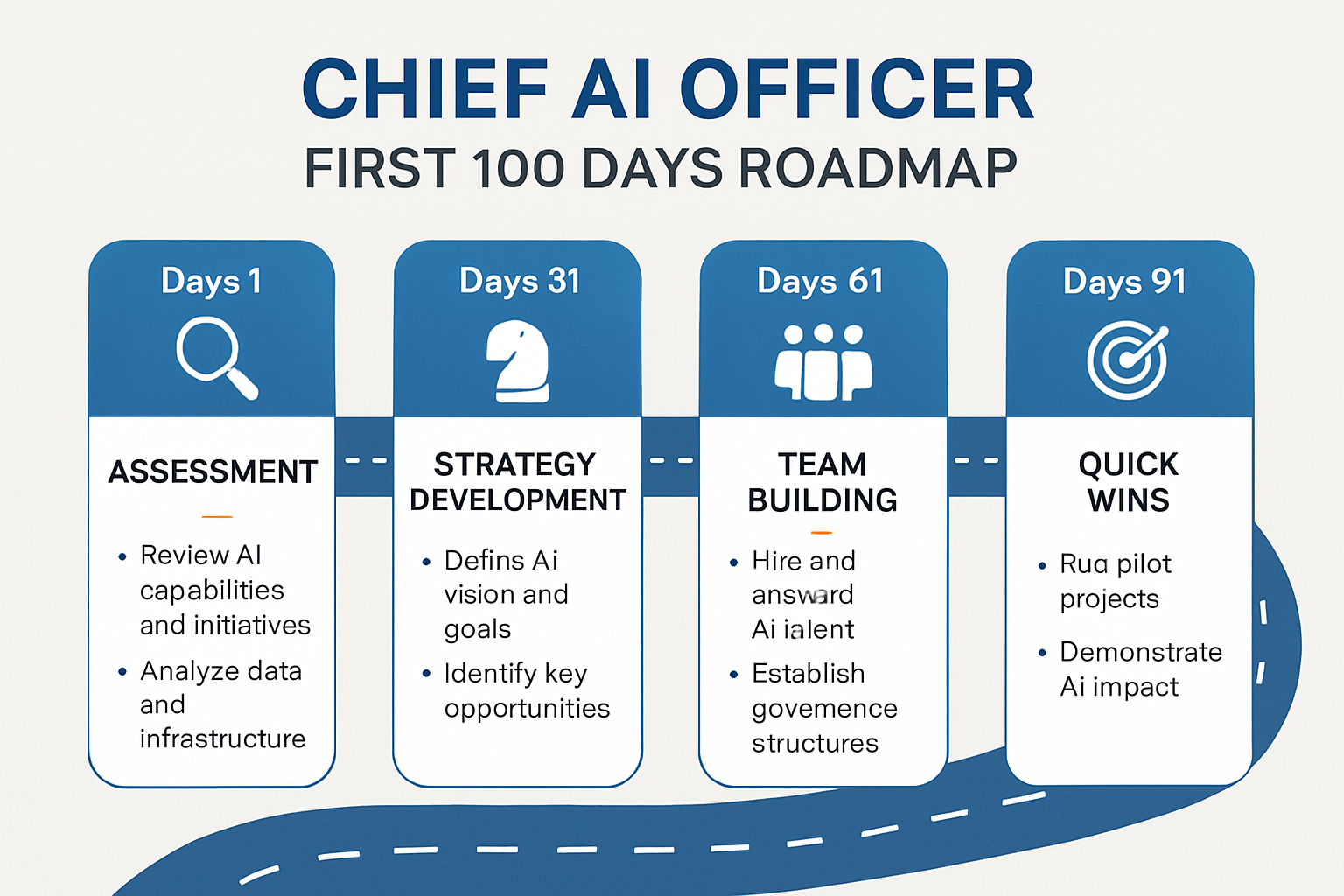
Figure 10.1: First 100 Days Roadmap for Chief AI Officers
Preparation Before Day One
Effective preparation before officially starting the role can significantly enhance a CAIO's ability to make an impact quickly. This preparation phase should focus on building foundational knowledge and understanding that will inform early actions.
Industry and Competitive Landscape Analysis
Understanding how AI is transforming the industry and how competitors are leveraging this technology provides crucial context for strategic planning.
Key Actions:
- Research industry-specific AI applications and use cases, identifying patterns of adoption and impact.
- Analyze competitors' AI initiatives, partnerships, acquisitions, and public statements about their AI strategy.
- Identify industry-specific regulatory considerations and emerging standards related to AI.
- Assess the overall AI maturity of the industry and the organization's current position relative to peers.
Organizational Research
Developing a deep understanding of the organization's structure, culture, strategy, and current AI initiatives provides essential context for effective leadership.
Key Actions:
- Review the organization's strategic plan, annual reports, and public statements to understand overall business priorities and how AI fits within them.
- Identify existing AI initiatives, their sponsors, objectives, and current status.
- Understand the organization's technology landscape, including key systems, data architecture, and infrastructure.
- Research the organization's culture, including attitudes toward innovation, risk tolerance, and change management approaches.
- Identify key stakeholders across business units, functions, and leadership levels who will be critical to AI success.
Clarifying Expectations and Mandate
Establishing clear expectations and understanding the scope of authority is essential for aligning efforts with organizational priorities.
Key Actions:
- Engage with the CEO and other executive sponsors to clarify expectations, priorities, and success metrics for the role.
- Understand reporting relationships, decision rights, and governance structures related to AI initiatives.
- Clarify budget authority, resource allocation processes, and approval mechanisms for AI investments.
- Identify any specific mandates or constraints that will shape the role's focus and approach.
Relationship Building
Initiating key relationships before officially starting can accelerate integration and effectiveness.
Key Actions:
- Schedule initial conversations with direct reports, peer executives, and key stakeholders.
- Connect with other AI leaders in the industry to establish a professional network for knowledge sharing and support.
- Identify potential mentors or advisors within the organization who can provide guidance on navigating the specific organizational context.
Days 1-30: Assessment and Relationship Building
The first month should focus on deepening understanding of the organization's current state, building key relationships, and identifying immediate opportunities for impact.
Comprehensive Assessment
Conducting a thorough assessment of the organization's current AI capabilities, initiatives, and challenges provides a foundation for strategic planning.
Key Actions:
- Inventory existing AI initiatives, assessing their alignment with business strategy, current status, and potential value.
- Evaluate the organization's AI maturity across key dimensions, including data infrastructure, technical capabilities, talent, governance, and implementation processes.
- Assess the quality and accessibility of data assets that could support AI applications.
- Identify existing AI talent and skills across the organization, including both technical and business capabilities.
- Evaluate current governance structures, policies, and processes related to AI development and deployment.
- Identify immediate pain points or opportunities where AI could deliver quick wins.
Stakeholder Engagement
Building relationships with key stakeholders across the organization is essential for understanding needs, securing support, and aligning efforts.
Key Actions:
- Conduct one-on-one meetings with executive team members to understand their priorities, challenges, and perspectives on AI.
- Meet with business unit leaders to identify potential AI applications that could address their specific needs and challenges.
- Engage with technology leaders, including the CIO, CTO, and data leaders, to understand the current technology landscape and establish collaborative relationships.
- Connect with existing AI practitioners across the organization to understand their work, challenges, and perspectives.
- Identify key influencers and potential champions who can support AI initiatives across different parts of the organization.
Team Assessment and Initial Organization
Evaluating the current team and establishing initial organizational structures sets the foundation for effective execution.
Key Actions:
- Assess the capabilities, experience, and potential of direct reports and team members.
- Identify immediate talent gaps that need to be addressed through hiring, development, or partnerships.
- Establish initial team structures, roles, and responsibilities based on immediate priorities.
- Define communication and collaboration processes within the team to ensure alignment and effectiveness.
Quick Wins Identification
Identifying opportunities for rapid, visible impact helps build credibility and momentum for broader initiatives.
Key Actions:
- Identify existing AI initiatives that could be accelerated or enhanced to deliver value quickly.
- Look for opportunities to apply proven AI solutions to address immediate business challenges with minimal implementation complexity.
- Prioritize potential quick wins based on business impact, visibility, and feasibility within a short timeframe.
- Develop implementation plans for selected quick win opportunities, securing necessary resources and support.
Initial Communication
Establishing effective communication about the CAIO role and AI strategy helps set expectations and build awareness across the organization.
Key Actions:
- Develop and deliver an introduction message that explains the CAIO role, initial focus areas, and approach to collaboration.
- Establish regular communication channels with key stakeholders, including executive leadership, business units, and technology teams.
- Create initial educational materials about AI capabilities and potential applications relevant to the organization.
- Begin building awareness of AI ethics and responsible development principles across the organization.
Days 31-60: Strategy Development and Team Building
The second month should focus on translating initial assessments into a coherent strategy, building the team, and establishing governance structures.
AI Strategy Development
Creating a comprehensive AI strategy that aligns with business objectives provides direction and focus for future initiatives.
Key Actions:
- Synthesize insights from the initial assessment to identify key strategic opportunities and challenges.
- Develop a clear vision for how AI will create value for the organization, aligned with overall business strategy.
- Define strategic priorities, focusing on areas with the greatest potential business impact and alignment with organizational capabilities.
- Establish a phased roadmap that balances quick wins with longer-term transformational initiatives.
- Define success metrics and key performance indicators that will track progress and demonstrate value.
- Create a compelling narrative that communicates the strategy effectively to different stakeholder groups.
Governance Framework Establishment
Developing robust governance structures ensures responsible development, effective risk management, and appropriate oversight of AI initiatives.
Key Actions:
- Define AI governance principles that will guide development and deployment across the organization.
- Establish governance bodies, such as an AI steering committee, with clear roles, responsibilities, and decision rights.
- Develop initial policies and standards for responsible AI development, addressing issues such as ethics, bias, transparency, and privacy.
- Create risk management frameworks and processes specific to AI applications.
- Establish review and approval processes for AI initiatives that ensure appropriate oversight while enabling innovation.
Team Building and Organizational Design
Building the right team and organizational structure is essential for executing the AI strategy effectively.
Key Actions:
- Finalize the organizational design for the AI function, defining key roles, reporting relationships, and interfaces with other parts of the organization.
- Identify critical talent gaps and develop plans for addressing them through hiring, development, or partnerships.
- Begin recruiting for key positions, prioritizing roles that are essential for executing strategic priorities.
- Develop talent development plans for existing team members to enhance capabilities and address skill gaps.
- Establish performance expectations and management processes that align with strategic objectives.
Partnership Development
Establishing strategic partnerships can accelerate capability development and provide access to specialized expertise.
Key Actions:
- Identify potential technology partners that can provide access to specialized AI capabilities, platforms, or tools.
- Explore academic partnerships that can connect the organization with cutting-edge research and talent pipelines.
- Consider industry consortia or collaborative initiatives that address common challenges or standards.
- Evaluate potential consulting partnerships that can provide specialized expertise or implementation support.
- Begin developing partnership strategies and engagement models that align with strategic priorities.
Initial Implementation Planning
Developing detailed implementation plans for priority initiatives ensures effective execution and value delivery.
Key Actions:
- Select initial high-priority initiatives based on strategic alignment, potential impact, and feasibility.
- Develop detailed implementation plans for selected initiatives, including resource requirements, timelines, and success metrics.
- Secure necessary resources and executive sponsorship for priority initiatives.
- Establish project governance and management processes to ensure effective execution.
- Begin building implementation teams, drawing on talent from across the organization as needed.
Days 61-100: Initial Implementation and Value Demonstration
The third month should focus on executing initial initiatives, demonstrating value, and establishing sustainable processes for ongoing success.
Strategy Finalization and Communication
Finalizing and effectively communicating the AI strategy ensures alignment and builds support across the organization.
Key Actions:
- Refine the AI strategy based on feedback from key stakeholders and additional insights gathered during the first two months.
- Develop a comprehensive communication plan for sharing the strategy with different audiences across the organization.
- Create compelling materials that clearly articulate the vision, priorities, and expected benefits of the AI strategy.
- Present the strategy to executive leadership, securing formal approval and commitment to required resources.
- Conduct communication sessions with different stakeholder groups, tailoring messages to their specific interests and concerns.
- Establish mechanisms for ongoing communication about strategy progress and updates.
Quick Wins Execution
Successfully delivering initial quick win projects demonstrates value and builds credibility for broader initiatives.
Key Actions:
- Execute implementation plans for selected quick win initiatives, ensuring tight project management and stakeholder engagement.
- Address any obstacles or challenges that arise during implementation, demonstrating effective problem-solving and adaptability.
- Measure and document the impact of quick win initiatives, capturing both quantitative results and qualitative benefits.
- Celebrate and communicate successes broadly, highlighting the value delivered and lessons learned.
- Use quick win experiences to refine implementation approaches and inform future initiatives.
Capability Building Initiatives
Launching initiatives to build critical capabilities ensures the organization can execute the AI strategy effectively over time.
Key Actions:
- Initiate data infrastructure improvements that address critical gaps identified during the assessment phase.
- Launch talent development programs to build AI skills across the organization, including both technical and business capabilities.
- Implement governance processes and tools that support responsible AI development and effective risk management.
- Establish centers of excellence or communities of practice that can share knowledge and best practices across the organization.
- Begin developing reusable assets, such as model templates or data pipelines, that can accelerate future initiatives.
Budget and Resource Planning
Securing appropriate resources for the coming year ensures the ability to execute on strategic priorities.
Key Actions:
- Develop a comprehensive budget request that aligns with strategic priorities and demonstrates clear return on investment.
- Create resource allocation frameworks that ensure investments are directed toward highest-value opportunities.
- Establish processes for ongoing portfolio management and investment prioritization.
- Secure executive commitment to required funding and resources for the coming year.
- Develop contingency plans for addressing potential resource constraints or changing priorities.
Performance Measurement Framework
Establishing robust approaches for measuring and communicating the impact of AI initiatives ensures ongoing support and effective decision-making.
Key Actions:
- Finalize key performance indicators that will track progress against strategic objectives.
- Implement measurement processes and tools that enable consistent tracking and reporting.
- Establish regular review cadences with key stakeholders to discuss progress, challenges, and adjustments.
- Develop compelling approaches for communicating value and impact to different audiences.
- Create feedback loops that use measurement insights to inform ongoing strategy refinement and execution.
Common Pitfalls and How to Avoid Them
Understanding common challenges faced by new CAIOs can help avoid potential pitfalls during the critical first 100 days.
Overcommitting and Underdelivering
The pressure to demonstrate immediate impact can lead to unrealistic commitments that undermine credibility when they cannot be delivered.
Avoidance Strategies:
- Be realistic about what can be accomplished in the first 100 days, focusing on assessment, relationship building, and select quick wins.
- Carefully manage expectations with executive leadership, being transparent about timelines and potential challenges.
- Prioritize ruthlessly, focusing on initiatives with the highest probability of success and impact.
- Build in contingency buffers when developing implementation timelines and resource estimates.
Focusing Too Narrowly on Technology
Approaching the role primarily from a technical perspective can lead to solutions that fail to address business needs or gain organizational adoption.
Avoidance Strategies:
- Start with business challenges and opportunities rather than specific technologies or algorithms.
- Engage deeply with business stakeholders to understand their needs, priorities, and constraints.
- Balance technical expertise with business acumen, ensuring solutions address real organizational needs.
- Consider organizational and cultural factors alongside technical considerations when planning initiatives.
Neglecting Organizational Politics
Failing to navigate the political landscape effectively can lead to resistance, resource constraints, and implementation challenges.
Avoidance Strategies:
- Invest time in understanding the formal and informal power structures within the organization.
- Identify potential allies, skeptics, and opponents early, developing tailored engagement strategies for each.
- Build coalitions of support across different parts of the organization, particularly for initiatives that require cross-functional collaboration.
- Recognize and address legitimate concerns rather than dismissing them as resistance to change.
Inadequate Governance and Risk Management
Rushing to implement AI solutions without appropriate governance can lead to ethical issues, regulatory challenges, or reputational damage.
Avoidance Strategies:
- Establish core governance principles and processes early, even if they are refined over time.
- Implement appropriate risk assessment and management approaches for all AI initiatives.
- Engage proactively with legal, compliance, and risk management functions to address potential concerns.
- Build awareness of responsible AI principles across the organization, particularly among teams directly involved in AI development.
Failing to Build Broad Organizational Capability
Creating an isolated AI function without building broader organizational capabilities can limit adoption and impact.
Avoidance Strategies:
- Focus on building AI literacy and awareness across the organization, not just within specialized teams.
- Develop training and education programs that target different roles and skill levels.
- Create opportunities for cross-functional collaboration and knowledge sharing.
- Establish clear interfaces between the AI function and other parts of the organization to facilitate effective collaboration.
Measuring Success in the First 100 Days
Defining clear success metrics for the first 100 days helps focus efforts and demonstrate progress to key stakeholders.
Key Success Indicators
While specific metrics will vary based on organizational context and priorities, several key indicators can help assess progress during the first 100 days:
- Strategic Clarity: Development of a clear, compelling AI strategy that aligns with business objectives and has secured executive support.
- Stakeholder Alignment: Establishment of productive relationships with key stakeholders across the organization, with clear understanding of the CAIO role and AI strategy.
- Team Development: Progress in building an effective team, including organizational design, key hires, and development plans for existing team members.
- Governance Establishment: Implementation of initial governance structures, policies, and processes that enable responsible AI development and deployment.
- Quick Win Delivery: Successful implementation of select quick win initiatives that demonstrate tangible value and build credibility.
- Capability Building: Launch of initiatives to address critical capability gaps identified during the assessment phase.
- Resource Securing: Commitment of necessary resources to execute strategic priorities in the coming year.
- Organizational Learning: Increased awareness and understanding of AI opportunities and challenges across the organization.
Self-Assessment Questions
Regular self-reflection can help CAIOs assess their progress and identify areas for adjustment. Key questions to consider include:
- Have I developed a clear understanding of the organization's current AI capabilities, challenges, and opportunities?
- Have I established productive relationships with key stakeholders across the organization?
- Do I have a clear mandate and executive support for my role and strategic priorities?
- Have I made progress in building an effective team and organizational structure?
- Have I established appropriate governance structures and processes for responsible AI development?
- Have I delivered tangible value through quick win initiatives that demonstrate the potential of AI?
- Have I secured the resources necessary to execute strategic priorities in the coming year?
- Have I effectively communicated the AI vision and strategy across the organization?
- Have I launched initiatives to address critical capability gaps that could limit long-term success?
- Have I established a foundation for sustainable impact beyond the first 100 days?
Figure 10.2: Success metrics for the first 100 days as CAIO
Conclusion
The first 100 days as a Chief AI Officer represent a critical period for establishing credibility, building relationships, and setting the foundation for long-term success. By approaching this period with a structured plan that balances assessment, relationship building, strategy development, and initial implementation, CAIOs can navigate the complexities of the role effectively and position themselves for sustainable impact.
While the specific priorities and challenges will vary based on organizational context, several principles apply broadly:
- Start with understanding - Invest time in developing a deep understanding of the organization's business strategy, current capabilities, and specific needs before rushing to implementation.
- Build relationships intentionally - Recognize that success in the CAIO role depends heavily on effective collaboration across the organization and invest accordingly in relationship building.
- Balance quick wins with long-term foundation building - Demonstrate immediate value through carefully selected quick wins while simultaneously laying the groundwork for sustainable impact through capability building and governance establishment.
- Communicate effectively - Develop clear, compelling narratives about the AI vision and strategy that resonate with different stakeholder groups and address their specific interests and concerns.
- Manage expectations realistically - Be transparent about what can be accomplished in the short term while building confidence in the long-term vision and approach.
By following the roadmap outlined in this chapter and adapting it to their specific organizational context, newly appointed CAIOs can navigate the challenges of the first 100 days effectively, establishing a strong foundation for long-term success in this critical leadership role.