Conclusion: The Future of AI Leadership
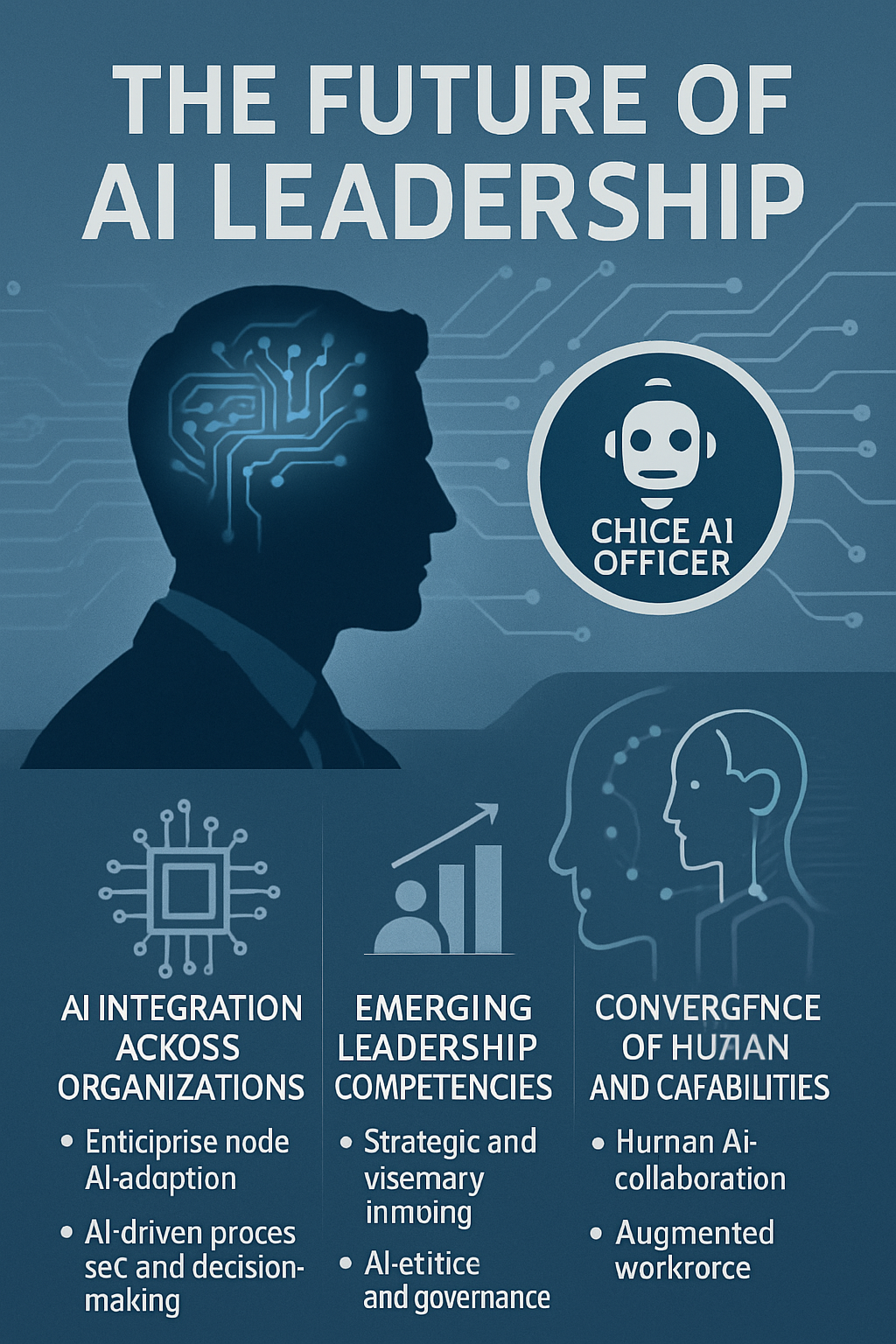
Figure C.1: The evolving landscape of AI leadership
Throughout this guide, we have explored the multifaceted role of the Chief AI Officer—from its historical evolution and core responsibilities to the essential skills, organizational impact, implementation strategies, and future trends that define this critical leadership position. As we conclude, it is worth reflecting on the broader implications of this role for organizations and the future of leadership in an AI-driven world.
The CAIO as a Transformational Leader
The Chief AI Officer represents more than just another addition to the C-suite. At its core, this role embodies a fundamental shift in how organizations approach technology, innovation, and value creation. The CAIO serves as a transformational leader who bridges technical expertise with business acumen, ethical considerations with competitive imperatives, and short-term implementation with long-term strategic vision.
This transformational aspect is particularly evident in how effective CAIOs approach their responsibilities. Rather than simply deploying AI technologies, they fundamentally reimagine business processes, customer experiences, and organizational capabilities. They challenge existing assumptions about what is possible and push organizations to envision new ways of creating value. In this sense, the CAIO role represents a new model of leadership that combines deep technical understanding with the ability to drive organizational change.
Key Insights from Across the Guide
As we have explored the various dimensions of the CAIO role, several key insights have emerged that are worth highlighting:
The Centrality of Cross-Functional Collaboration
Perhaps more than any other C-suite role, the CAIO's success depends on effective collaboration across organizational boundaries. AI initiatives inherently span multiple functions, from data and technology to business operations, legal, and human resources. The most effective CAIOs recognize this interdependence and invest heavily in building collaborative relationships, establishing shared governance models, and creating cross-functional teams that can drive initiatives forward.
This emphasis on collaboration extends beyond internal stakeholders to include external partners, customers, and even competitors in some cases. As AI ecosystems continue to evolve, the ability to orchestrate these complex networks of relationships will become an increasingly critical skill for AI leaders.
The Balance of Innovation and Responsibility
Throughout this guide, we have emphasized the dual imperatives of driving innovation while ensuring responsible development and deployment. This balance represents one of the most challenging aspects of the CAIO role, requiring leaders to navigate competing pressures and make difficult trade-offs.
Effective CAIOs recognize that innovation and responsibility are not opposing forces but complementary aspects of sustainable AI leadership. By embedding ethical considerations into the development process, establishing robust governance frameworks, and fostering a culture of responsible innovation, they create the foundation for long-term success. This balanced approach will only become more important as AI capabilities continue to advance and societal expectations around responsible use evolve.
The Evolution from Technical to Strategic Leadership
While technical expertise remains important, the CAIO role has evolved significantly from its origins as primarily a technical position. Today's CAIOs must function as strategic leaders who can translate technical possibilities into business value, align AI initiatives with organizational priorities, and navigate complex organizational dynamics.
This evolution reflects the broader maturation of AI as a business discipline. As AI moves from experimental projects to core business capabilities, the leadership requirements shift accordingly. The most successful CAIOs combine technical credibility with strategic vision, business acumen, and change leadership capabilities.
The Importance of Organizational Capability Building
Throughout this guide, we have emphasized that sustainable AI success depends not just on individual projects but on building organizational capabilities that enable ongoing innovation and value creation. Effective CAIOs focus on developing these foundational capabilities—from data infrastructure and technical expertise to governance frameworks and implementation methodologies.
This capability-building mindset represents a shift from viewing AI as a series of discrete projects to seeing it as a transformational force that requires systematic organizational development. By investing in these capabilities, CAIOs create the conditions for sustained success beyond any individual initiative.
Looking Ahead: The Future Evolution of AI Leadership
As we look to the future, several trends are likely to shape the continued evolution of the CAIO role and AI leadership more broadly:
Deeper Integration with Business Strategy
AI will increasingly move from being a specialized technical domain to becoming an integral part of overall business strategy. This shift will require CAIOs to develop even stronger business acumen and strategic thinking capabilities, working in close partnership with CEOs and other C-suite executives to shape the organization's future direction.
In some organizations, this integration may eventually lead to the CAIO role evolving into or being absorbed by other strategic leadership positions. However, the core capabilities and perspectives that effective CAIOs bring—the ability to translate between technical possibilities and business value, to balance innovation with responsibility, and to drive cross-functional collaboration—will remain essential regardless of how organizational structures evolve.
Expanded Focus on Ecosystem Development
As AI ecosystems continue to mature, CAIOs will increasingly focus on orchestrating networks of partners, vendors, academic institutions, and other external stakeholders. This expanded focus will require new skills in ecosystem development, partnership management, and collaborative innovation.
This trend reflects the reality that few organizations can develop all necessary AI capabilities internally. The most successful will be those that can effectively leverage external expertise and resources while maintaining strategic control over their AI direction and intellectual property.
Greater Emphasis on Ethical Leadership
As AI capabilities become more powerful and pervasive, the ethical dimensions of AI leadership will only grow in importance. CAIOs will increasingly be expected to serve as ethical leaders who can navigate complex societal implications, engage with diverse stakeholders, and ensure that AI development aligns with broader societal values.
This ethical leadership will extend beyond compliance with regulations to include proactive engagement with emerging ethical challenges, participation in industry standard-setting efforts, and transparent communication with stakeholders about how AI is being developed and deployed.
Evolution Toward Augmented Intelligence Leadership
As AI systems become more sophisticated and autonomous, the focus of AI leadership will increasingly shift toward optimizing human-AI collaboration and designing systems that augment human capabilities rather than simply automating tasks. This evolution will require CAIOs to develop deeper expertise in human factors, cognitive science, and organizational design.
This shift toward augmented intelligence represents a more nuanced view of AI's role in organizations—not as a replacement for human judgment but as a powerful tool that can enhance human capabilities and enable new forms of value creation when thoughtfully integrated into organizational processes and decision-making.
Final Thoughts: The Enduring Importance of Human Leadership
As we conclude this guide, it is worth emphasizing that despite the technological focus of the CAIO role, its ultimate success depends on fundamentally human qualities: vision, judgment, empathy, integrity, and the ability to inspire and align diverse stakeholders around a common purpose.
In a world of increasingly powerful AI systems, these human leadership capabilities become more important, not less. The most effective CAIOs recognize that technology is ultimately a means to human ends—whether those are business objectives, customer needs, or societal benefits. They maintain this human-centered perspective even as they push the boundaries of what is technically possible.
This balance of technological sophistication and human wisdom represents the essence of effective AI leadership. As organizations continue to navigate the opportunities and challenges of the AI revolution, leaders who can maintain this balance will be essential guides on the journey.
The role of Chief AI Officer will undoubtedly continue to evolve as technologies advance and organizational needs change. However, the core principles explored throughout this guide—the importance of strategic alignment, cross-functional collaboration, responsible innovation, and organizational capability building—will remain relevant regardless of how specific roles and structures evolve.
For current and aspiring CAIOs, as well as other leaders involved in AI initiatives, these principles provide a foundation for effective leadership in a rapidly changing landscape. By embracing both the technical and human dimensions of AI leadership, they can help their organizations navigate the AI revolution successfully, creating sustainable value while addressing the complex challenges that this transformative technology presents.