Chapter 2: Core Responsibilities of a Chief AI Officer
In This Chapter:
- Strategic Leadership and Vision
- Governance and Ethics
- Talent Development and Team Building
- Technology Management and Innovation
- Business Integration and Value Creation
- External Engagement and Ecosystem Development
- Risk Management and Compliance
- Change Management and Organizational Transformation
- Conclusion
The Chief AI Officer (CAIO) role encompasses a diverse set of responsibilities that span strategic, technical, organizational, and ethical dimensions. While specific duties may vary based on organizational context, industry, and AI maturity level, several core responsibilities define the essence of this leadership position. This chapter examines these fundamental responsibilities, providing a comprehensive framework for understanding the CAIO's role in driving AI adoption and value creation.
Strategic Leadership and Vision
At its core, the CAIO role is a strategic leadership position responsible for developing and articulating a compelling vision for AI's role within the organization. This strategic responsibility encompasses several key elements:
AI Strategy Development: The CAIO leads the creation of a comprehensive AI strategy that aligns with broader business objectives and digital transformation initiatives. This strategy defines priority application areas, capability requirements, implementation approaches, and expected outcomes. Effective AI strategies balance short-term wins with long-term capability building, creating a roadmap that guides implementation efforts across the organization.
Executive Alignment: The CAIO works with other C-suite leaders to build consensus around AI priorities, resource requirements, and implementation approaches. This alignment process involves educating executive peers about AI capabilities and limitations, addressing concerns about workforce impacts and ethical considerations, and establishing shared ownership for AI initiatives. Effective CAIOs position themselves as trusted advisors to the executive team, providing balanced perspectives on AI opportunities and challenges.
Board Engagement: The CAIO engages with the board of directors to ensure appropriate governance and oversight of AI initiatives. This engagement includes educating board members about AI capabilities and risks, providing regular updates on implementation progress, and addressing strategic questions about competitive positioning and long-term implications. Effective CAIOs translate technical concepts into business language that resonates with board members' oversight responsibilities.
Competitive Intelligence: The CAIO monitors competitive developments, industry trends, and emerging technologies to inform strategic decision-making. This intelligence gathering helps identify potential disruption risks, benchmark organizational capabilities against competitors, and identify strategic opportunities for differentiation through AI. Effective CAIOs maintain strong external networks that provide early insights into emerging trends and competitive movements.
Strategic Prioritization: The CAIO leads the process of prioritizing AI initiatives based on business value, implementation feasibility, strategic alignment, and organizational readiness. This prioritization ensures that limited resources focus on the highest-impact opportunities, creating momentum through early successes while building toward longer-term strategic objectives. Effective CAIOs establish transparent prioritization frameworks that balance multiple factors and engage key stakeholders in the decision process.
Figure 2.1: AI Strategy Framework showing the key components of strategic leadership for CAIOs
The strategic leadership dimension of the CAIO role requires balancing visionary thinking with practical implementation considerations. Effective CAIOs articulate compelling future states while establishing realistic paths to achieve them, creating both inspiration and executable roadmaps that guide organizational efforts.
Governance and Ethics
As AI applications increasingly impact critical business operations and customer experiences, governance and ethics have emerged as central CAIO responsibilities. This governance dimension encompasses several key elements:
Governance Framework Development: The CAIO establishes comprehensive governance frameworks that define decision rights, approval processes, and oversight mechanisms for AI initiatives. These frameworks typically include steering committees, review boards, and escalation paths that ensure appropriate oversight while enabling efficient implementation. Effective governance balances control with innovation, providing appropriate guardrails without creating unnecessary bureaucracy.
Ethical Principles and Guidelines: The CAIO leads the development of ethical principles and guidelines that shape AI development and deployment across the organization. These principles address issues such as fairness, transparency, privacy, security, and human oversight, providing clear direction for implementation teams. Effective ethical frameworks translate abstract principles into practical guidelines that development teams can apply in daily decision-making.
Responsible AI Practices: The CAIO establishes responsible AI practices that operationalize ethical principles throughout the AI lifecycle. These practices include bias detection and mitigation techniques, explainability requirements, privacy-preserving methods, and human oversight mechanisms. Effective responsible AI approaches integrate these considerations into standard development processes rather than treating them as separate compliance activities.
Risk Assessment Frameworks: The CAIO develops risk assessment frameworks that help identify, evaluate, and mitigate potential risks associated with AI applications. These frameworks typically address technical risks (reliability, security), operational risks (dependencies, controls), and ethical risks (bias, transparency), providing structured approaches for risk management. Effective risk frameworks establish appropriate controls based on application criticality and potential impact.
Monitoring and Compliance: The CAIO establishes monitoring mechanisms that ensure ongoing compliance with governance requirements and ethical principles. These mechanisms include model performance monitoring, bias detection, audit trails, and regular reviews that identify potential issues before they create significant problems. Effective monitoring approaches balance automated systems with human oversight, creating multiple layers of protection.
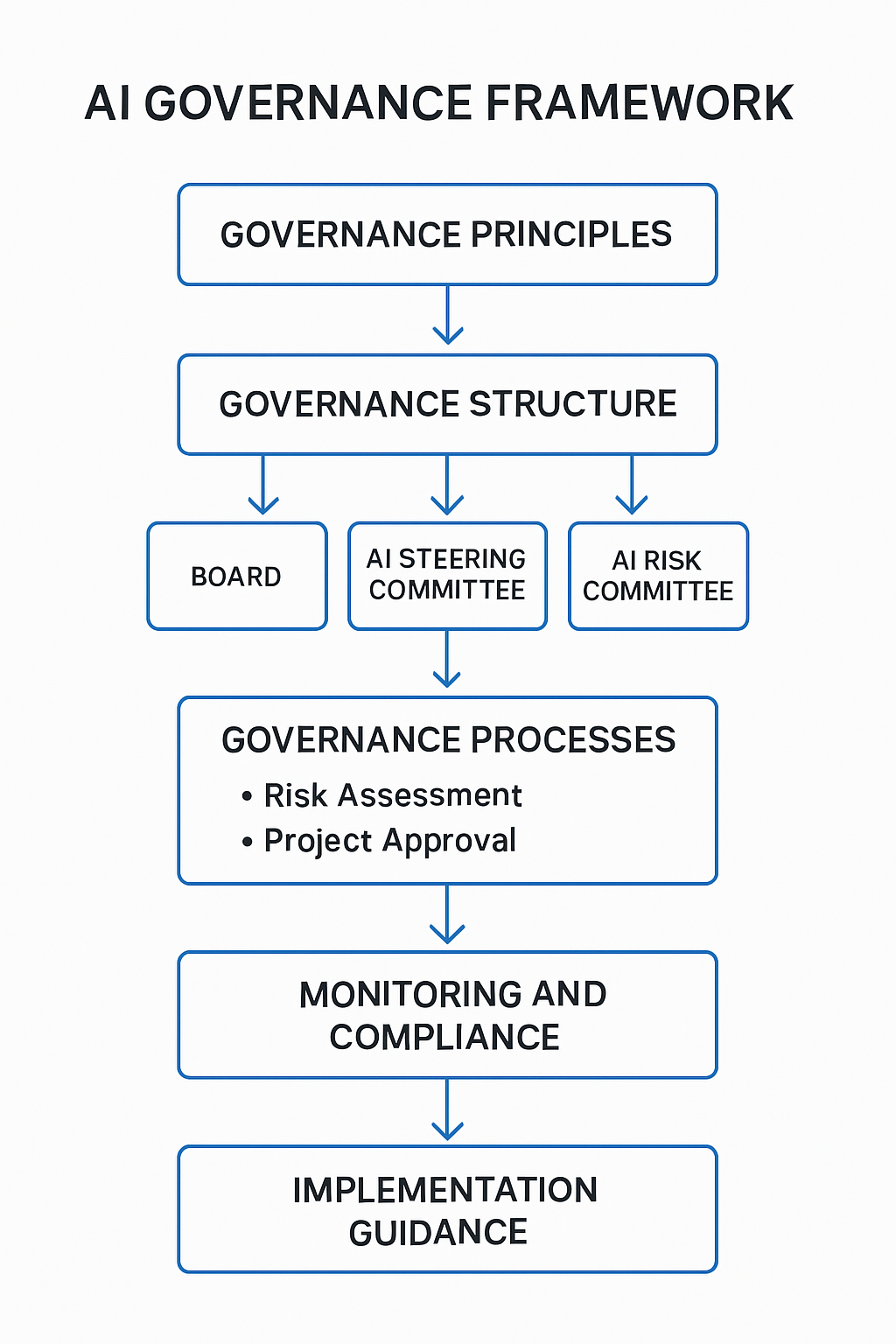
Figure 2.2: AI Governance Framework showing the key components of ethical AI governance
The governance and ethics dimension requires balancing innovation with appropriate controls, ensuring that AI development proceeds responsibly without unnecessary constraints. Effective CAIOs position governance as an enabler of sustainable innovation rather than a bureaucratic obstacle, demonstrating how ethical considerations enhance rather than hinder business value creation.
Talent Development and Team Building
Given the scarcity of AI expertise and the rapidly evolving skill requirements, talent development represents a critical CAIO responsibility. This talent dimension encompasses several key elements:
Organizational Design: The CAIO designs AI organizational structures that balance centralized expertise with distributed capabilities. Common models include centers of excellence, federated teams, and hybrid approaches that combine centralized and embedded resources. Effective organizational designs evolve as AI maturity increases, typically starting with centralized models and gradually distributing capabilities as expertise grows.
Talent Acquisition: The CAIO develops strategies for attracting and recruiting scarce AI talent in a competitive marketplace. These strategies typically include specialized recruiting approaches, compelling value propositions, and innovative sourcing methods that identify candidates beyond traditional channels. Effective talent acquisition balances technical expertise with cultural fit and collaboration skills, recognizing that successful AI implementation requires both technical and organizational capabilities.
Skill Development: The CAIO establishes learning and development programs that build AI capabilities across the organization. These programs include technical training for specialists, AI literacy initiatives for broader audiences, and experiential learning opportunities that develop practical implementation skills. Effective skill development approaches combine formal training with project-based learning, creating multiple pathways for capability building.
Team Leadership: The CAIO builds and leads high-performing AI teams, establishing clear roles, responsibilities, and performance expectations. This leadership includes creating collaborative environments that leverage diverse perspectives, establishing effective communication channels, and developing career paths that retain key talent. Effective team leadership balances technical excellence with business impact, creating a culture that values both innovation and practical implementation.
Cross-functional Collaboration: The CAIO establishes mechanisms for effective collaboration between AI specialists and domain experts across the organization. These mechanisms include partnership models, joint working sessions, and integrated teams that combine technical and business perspectives. Effective collaboration approaches recognize the interdisciplinary nature of AI implementation, creating shared ownership and integrated solutions.
Figure 2.3: AI Talent Development Framework showing approaches to building AI capabilities across the organization
The talent development dimension requires balancing specialized expertise with broader organizational capabilities, recognizing that successful AI implementation depends on both technical depth and cross-functional collaboration. Effective CAIOs build talent strategies that address immediate needs while developing sustainable capabilities for long-term success.
Technology Management and Innovation
The CAIO plays a central role in managing AI technologies and driving innovation across the organization. This technology dimension encompasses several key elements:
Technology Strategy: The CAIO develops a comprehensive technology strategy that defines the organization's approach to AI platforms, tools, and infrastructure. This strategy addresses build-versus-buy decisions, open-source versus proprietary approaches, and on-premises versus cloud considerations, providing clear direction for technology investments. Effective technology strategies balance standardization with flexibility, creating consistent foundations while enabling appropriate customization.
Platform and Infrastructure Management: The CAIO oversees the development and management of AI platforms and infrastructure that support efficient development, deployment, and operation of AI applications. These platforms typically include data pipelines, model development environments, deployment mechanisms, and monitoring tools that enable scalable implementation. Effective platform approaches balance immediate needs with long-term scalability, creating foundations that support growing AI adoption.
Research and Innovation: The CAIO establishes research and innovation programs that explore emerging AI capabilities and potential applications. These programs include technology monitoring, proof-of-concept initiatives, and partnerships with academic institutions or research organizations that provide access to cutting-edge developments. Effective research approaches balance exploration with practical application, creating clear paths from innovation to implementation.
Technical Standards and Best Practices: The CAIO develops technical standards and best practices that guide AI development and implementation across the organization. These standards address data requirements, model development approaches, testing protocols, and deployment processes, ensuring consistent quality and efficiency. Effective standards balance necessary guidance with appropriate flexibility, providing clear direction without constraining innovation.
Vendor and Partner Management: The CAIO manages relationships with AI technology vendors, service providers, and implementation partners, ensuring effective collaboration and value delivery. This management includes vendor selection, contract negotiation, performance monitoring, and relationship development activities that maximize partnership benefits. Effective vendor management balances external capabilities with internal development, creating complementary approaches that accelerate implementation.
Figure 2.4: AI Technology Management Framework showing key components of the CAIO's technology responsibilities
The technology management dimension requires balancing innovation with practical implementation considerations, ensuring that technological capabilities translate into business value. Effective CAIOs maintain sufficient technical depth to guide technology decisions while focusing primarily on business applications and outcomes rather than technology for its own sake.
Business Integration and Value Creation
Ultimately, the CAIO's success depends on integrating AI capabilities into core business operations and creating measurable value. This business integration dimension encompasses several key elements:
Use Case Development: The CAIO leads the identification and development of high-value AI use cases across the organization. This development includes opportunity assessment, business case creation, and implementation planning activities that translate potential into specific initiatives. Effective use case development balances ambition with feasibility, creating a portfolio of opportunities with varying time horizons and risk profiles.
Process Integration: The CAIO ensures effective integration of AI capabilities into existing business processes and workflows. This integration includes process redesign, change management, and training activities that enable smooth adoption and sustainable implementation. Effective process integration balances technological capabilities with human factors, creating collaborative approaches that leverage both AI and human strengths.
Value Measurement: The CAIO establishes frameworks and mechanisms for measuring the business value created by AI initiatives. These measurement approaches include key performance indicators, return on investment calculations, and value tracking systems that demonstrate impact and inform future investments. Effective value measurement balances quantitative metrics with qualitative assessments, capturing both tangible and intangible benefits.
Scaling and Replication: The CAIO develops approaches for scaling successful AI implementations across the organization and replicating proven solutions in new contexts. These scaling approaches include standardized methodologies, reusable components, and knowledge transfer mechanisms that accelerate implementation and maximize return on investment. Effective scaling balances customization with standardization, adapting proven approaches to specific contexts while leveraging common patterns.
Business Model Innovation: The CAIO explores opportunities for AI-enabled business model innovation, identifying ways that AI capabilities can create new value propositions, revenue streams, or competitive advantages. This innovation includes market analysis, customer research, and business design activities that translate technological capabilities into strategic opportunities. Effective business model innovation balances disruptive thinking with practical implementation, creating viable paths to new value creation.
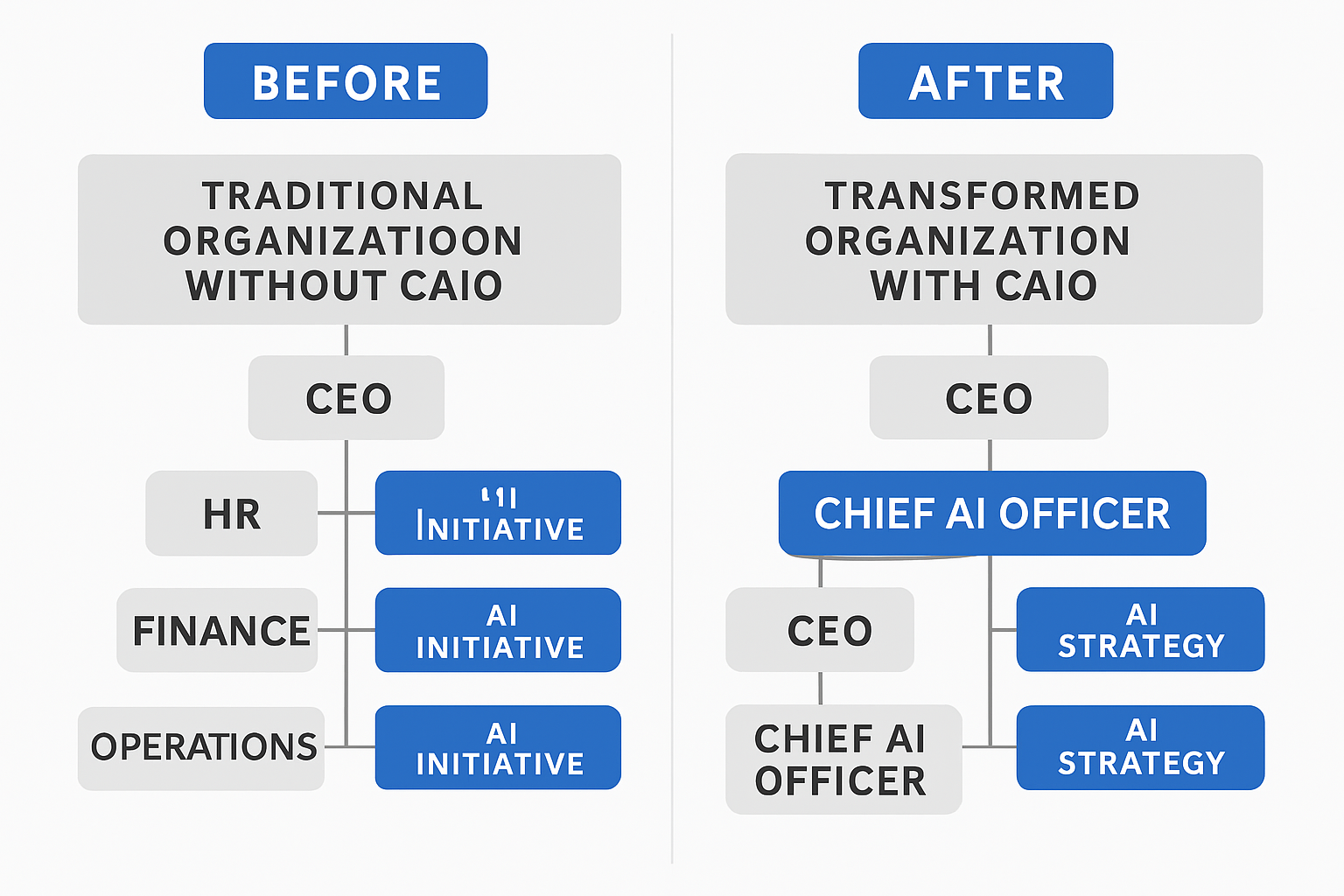
Figure 2.5: Business Value Framework showing approaches to creating and measuring AI-driven business impact
The business integration dimension requires balancing technological possibilities with business realities, ensuring that AI initiatives create tangible value rather than remaining interesting experiments. Effective CAIOs maintain unwavering focus on business outcomes, positioning AI as a means to strategic ends rather than an end in itself.
External Engagement and Ecosystem Development
The CAIO serves as the organization's primary interface with the external AI ecosystem, building relationships that enhance internal capabilities and influence industry direction. This external dimension encompasses several key elements:
Industry Engagement: The CAIO participates in industry forums, standards bodies, and professional associations that shape AI development and application. This engagement includes conference participation, committee leadership, and thought leadership activities that build the organization's reputation and influence. Effective industry engagement balances contribution with learning, creating mutually beneficial relationships that enhance organizational capabilities.
Academic Partnerships: The CAIO develops relationships with academic institutions and research organizations that provide access to cutting-edge AI research and talent pipelines. These partnerships include research collaborations, talent development programs, and knowledge exchange activities that connect theoretical advances with practical applications. Effective academic partnerships balance long-term research with near-term applications, creating value for both organizations and academic partners.
Startup Ecosystem: The CAIO engages with the AI startup ecosystem through various mechanisms, including investment, partnership, and acquisition activities. This engagement provides access to innovative technologies, specialized capabilities, and entrepreneurial talent that complement internal resources. Effective startup engagement balances opportunity exploration with focused execution, creating clear criteria for external collaboration.
Regulatory Engagement: The CAIO monitors regulatory developments related to AI and engages with policymakers and regulators to shape emerging frameworks. This engagement includes participation in public consultations, industry coalitions, and direct dialogue with regulatory bodies that influence AI governance. Effective regulatory engagement balances compliance with innovation, advocating for frameworks that ensure responsible practice without unnecessarily constraining development.
Customer and Partner Collaboration: The CAIO develops collaborative relationships with customers and business partners around AI initiatives, creating shared value through joint innovation and implementation. These collaborations include co-development projects, data sharing arrangements, and joint go-to-market activities that leverage complementary capabilities. Effective collaboration balances organizational boundaries with shared objectives, creating trust-based relationships that deliver mutual benefits.
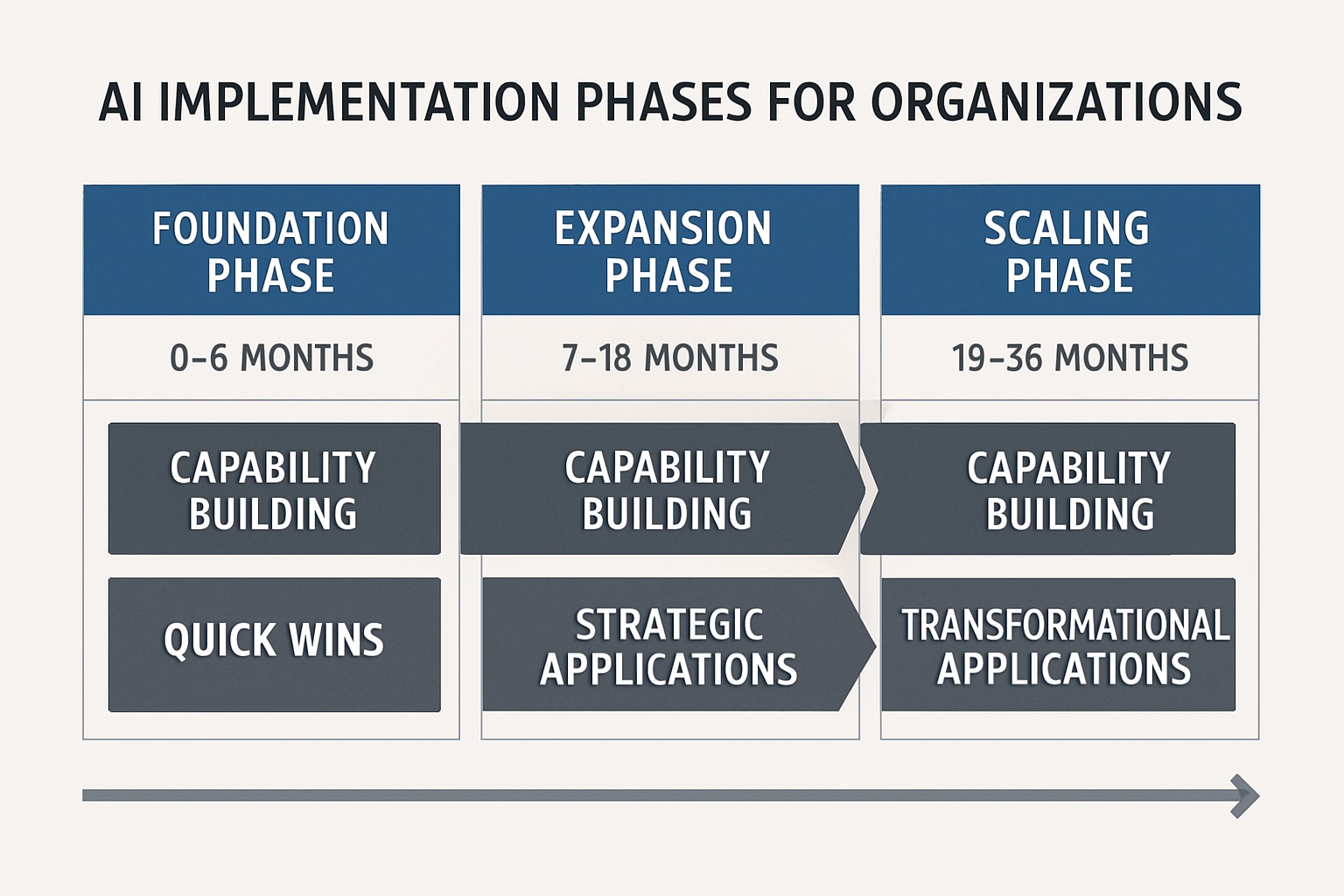
Figure 2.6: External Ecosystem Framework showing the CAIO's role in managing external relationships and partnerships
The external engagement dimension requires balancing internal focus with external perspective, recognizing that successful AI implementation often depends on effective collaboration across organizational boundaries. Effective CAIOs serve as boundary spanners, connecting internal capabilities with external opportunities and bringing outside perspectives into organizational decision-making.
Risk Management and Compliance
As AI applications increasingly impact critical business functions and customer experiences, risk management and compliance have become essential CAIO responsibilities. This risk dimension encompasses several key elements:
Risk Assessment: The CAIO leads the identification and assessment of risks associated with AI development and deployment. These assessments address technical risks (reliability, security), operational risks (dependencies, controls), ethical risks (bias, transparency), and strategic risks (competitive, reputational), providing comprehensive understanding of potential issues. Effective risk assessment balances thoroughness with practicality, focusing attention on the most significant concerns without creating unnecessary barriers.
Mitigation Strategy: The CAIO develops strategies and mechanisms for mitigating identified risks, establishing controls that reduce likelihood and impact while enabling continued innovation. These mitigation approaches include technical safeguards, process controls, governance mechanisms, and contingency plans that address various risk categories. Effective mitigation balances risk reduction with implementation efficiency, creating proportional controls based on risk severity.
Regulatory Compliance: The CAIO ensures compliance with existing and emerging regulations related to AI, data privacy, algorithmic decision-making, and related domains. This compliance work includes regulatory monitoring, impact assessment, implementation planning, and documentation activities that demonstrate adherence to requirements. Effective compliance approaches integrate regulatory considerations into development processes rather than treating them as separate activities.
Incident Management: The CAIO establishes frameworks and processes for managing incidents related to AI systems, including detection, response, remediation, and learning mechanisms. These incident management approaches include monitoring systems, escalation paths, response protocols, and post-incident reviews that minimize impact and prevent recurrence. Effective incident management balances rapid response with thorough resolution, addressing immediate issues while identifying root causes.
Assurance and Audit: The CAIO develops assurance mechanisms that verify the effectiveness of risk controls and compliance measures, providing confidence to stakeholders regarding AI governance. These assurance approaches include self-assessment, independent review, and formal audit activities that evaluate control effectiveness and identify improvement opportunities. Effective assurance balances verification with improvement, using findings to enhance rather than simply validate existing approaches.
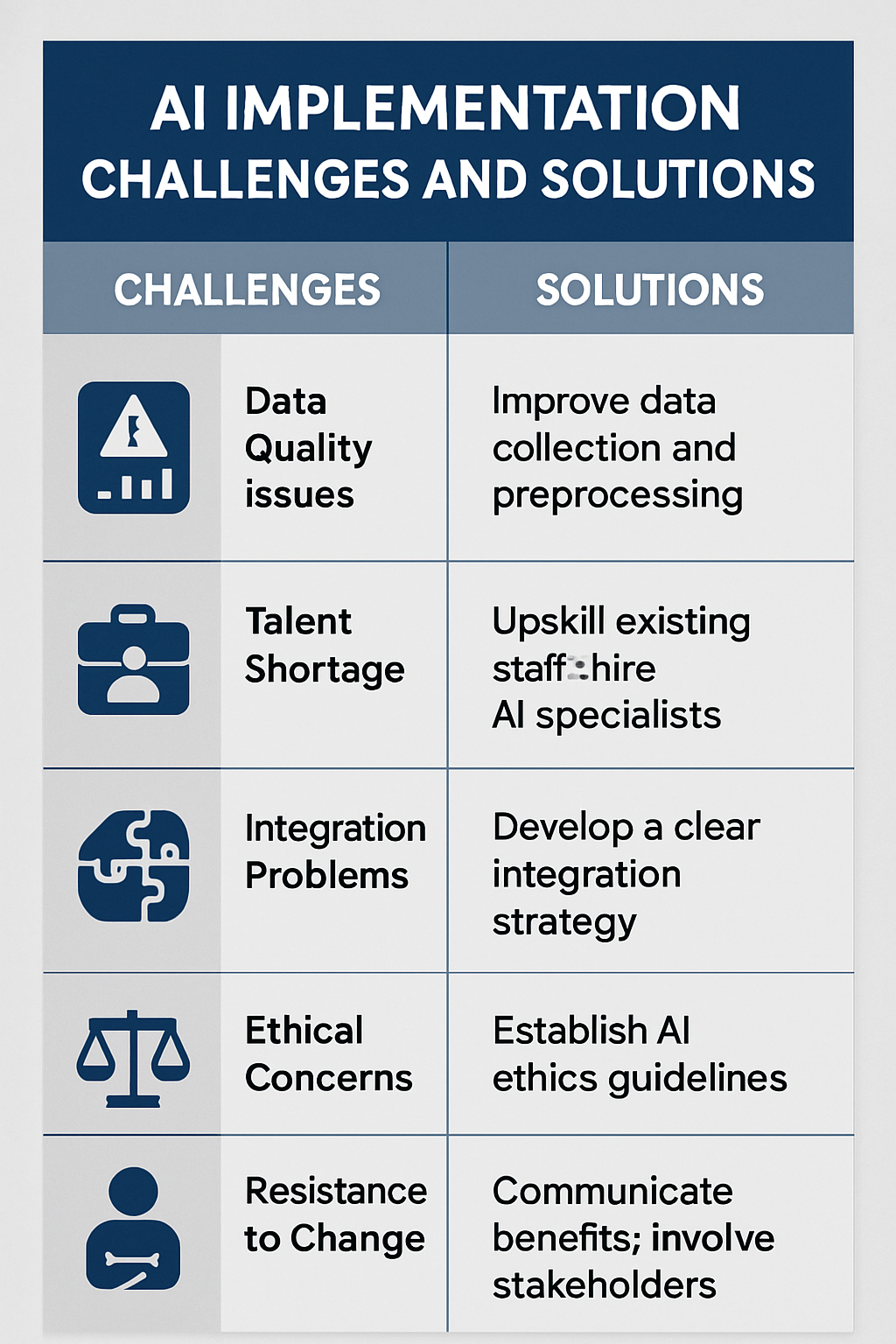
Figure 2.7: Risk Management Framework showing approaches to identifying, assessing, and mitigating AI-related risks
The risk management dimension requires balancing innovation with appropriate controls, ensuring that AI development proceeds responsibly without unnecessary constraints. Effective CAIOs position risk management as an enabler of sustainable innovation rather than a barrier to progress, demonstrating how appropriate controls create the foundation for long-term success.
Change Management and Organizational Transformation
Successful AI implementation often requires significant organizational change, making change management a critical CAIO responsibility. This transformation dimension encompasses several key elements:
Change Strategy: The CAIO develops comprehensive change strategies that address the organizational implications of AI adoption. These strategies identify required shifts in processes, roles, skills, and culture, establishing approaches for managing these changes effectively. Effective change strategies balance technological and human factors, recognizing that successful implementation depends on both technical capabilities and organizational readiness.
Stakeholder Engagement: The CAIO leads stakeholder engagement activities that build understanding, address concerns, and create shared ownership for AI initiatives. These engagement approaches include communication programs, involvement mechanisms, and feedback channels that connect with stakeholders at all levels. Effective stakeholder engagement balances information sharing with active participation, creating genuine dialogue rather than one-way communication.
Culture Development: The CAIO fosters cultural attributes that support successful AI adoption, including data-driven decision-making, experimentation mindsets, and collaborative approaches. These culture development activities include leadership modeling, recognition programs, and community-building initiatives that reinforce desired behaviors. Effective culture development balances aspiration with pragmatism, acknowledging current realities while working toward desired future states.
Workforce Transition: The CAIO addresses workforce implications of AI adoption, including role changes, skill requirements, and potential displacement concerns. These workforce approaches include reskilling programs, career path development, and transition support mechanisms that help employees adapt to changing requirements. Effective workforce transition balances organizational needs with individual concerns, creating paths forward that address both dimensions.
Adoption Measurement: The CAIO establishes mechanisms for measuring and accelerating AI adoption across the organization. These measurement approaches include adoption metrics, usage analytics, and feedback systems that identify barriers and enablers to effective implementation. Effective adoption measurement balances quantitative indicators with qualitative insights, creating comprehensive understanding of implementation progress.
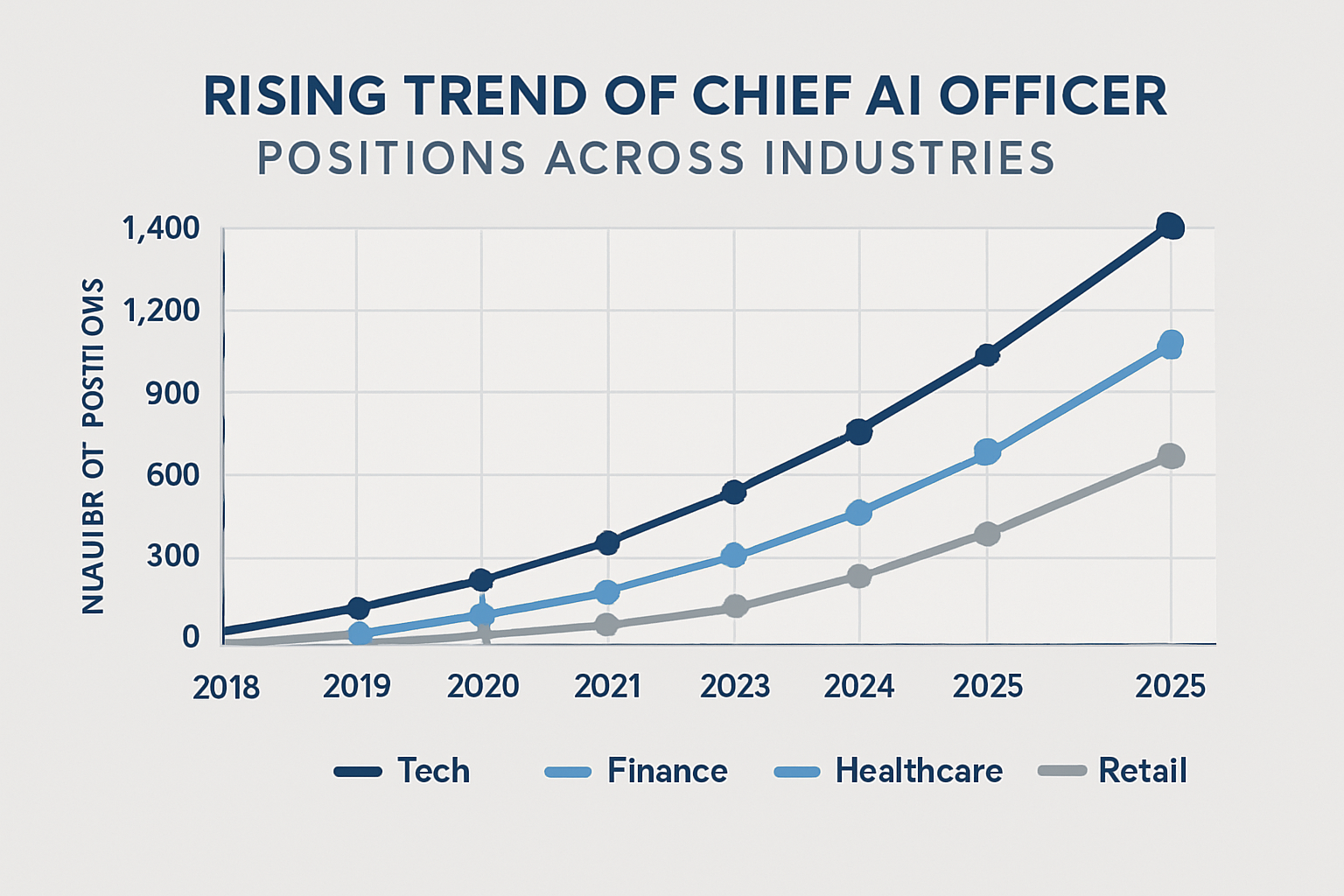
Figure 2.8: Organizational Transformation Framework showing approaches to managing the people and culture dimensions of AI adoption
The change management dimension requires balancing technological implementation with organizational adaptation, recognizing that successful AI adoption depends as much on people and culture as on technical capabilities. Effective CAIOs serve as change leaders, helping organizations navigate the significant shifts that AI implementation often entails.
Conclusion
The Chief AI Officer role encompasses a diverse set of responsibilities that span strategic, technical, organizational, and ethical dimensions. While specific emphasis may vary based on organizational context, industry, and AI maturity level, effective CAIOs typically address all eight dimensions described in this chapter: strategic leadership, governance and ethics, talent development, technology management, business integration, external engagement, risk management, and change management.
These responsibilities require a unique blend of capabilities, combining technical understanding with business acumen, strategic vision with practical implementation skills, and innovation mindset with governance discipline. Few individuals possess all these capabilities in equal measure, making the CAIO role both challenging and critically important for organizations seeking to harness AI's transformative potential.
As the role continues to evolve, we can expect to see increasing emphasis on business integration, ethical governance, and organizational transformation dimensions, reflecting AI's transition from experimental technology to core business capability. Successful CAIOs will adapt accordingly, balancing technological expertise with the leadership capabilities needed to drive sustainable value creation through responsible AI implementation.