Chapter 7: Case Studies and Best Practices
In This Chapter:
- Financial Services: Transforming Customer Experience and Risk Management
- Healthcare: Enhancing Clinical Outcomes and Operational Efficiency
- Manufacturing: Optimizing Operations and Product Development
- Retail: Personalizing Customer Engagement and Supply Chain Innovation
- Technology: Building AI-First Products and Services
- Cross-Industry Best Practices and Common Patterns
- Conclusion
While previous chapters have examined the Chief AI Officer role from theoretical and conceptual perspectives, this chapter grounds those insights in practical experience through detailed case studies across multiple industries. By examining real-world examples of both successful implementations and instructive failures, we can identify patterns, extract lessons, and develop best practices that apply across different organizational contexts. These case studies illustrate how CAIOs have navigated the challenges discussed in previous chapters and translated theoretical frameworks into practical impact.
Financial Services: Transforming Customer Experience and Risk Management
Financial services organizations have been at the forefront of AI adoption, with applications spanning customer experience, risk management, operational efficiency, and regulatory compliance. Several instructive case studies illustrate different approaches and outcomes.
Global Bank: Enterprise-Wide AI Transformation
A leading global bank with operations across 60+ countries established a CAIO role reporting directly to the CEO as part of a comprehensive digital transformation initiative. The CAIO, who came from a technology background with previous financial services experience, faced several significant challenges:
- Fragmented data architecture across multiple legacy systems and regional operations
- Stringent regulatory requirements with significant variation across jurisdictions
- Conservative organizational culture with limited appetite for technological risk
- Intense competition for AI talent from both technology companies and fintech startups
Strategic Approach: The CAIO developed a three-year transformation roadmap with several key elements:
- Federated Governance Model: Establishing a central AI Center of Excellence with embedded teams in key business units, creating balance between enterprise standards and business-specific applications.
- Data Foundation Initiative: Implementing a comprehensive data strategy focused on creating accessible, high-quality data assets for AI applications.
- Lighthouse Projects: Identifying and implementing high-visibility projects in each major business area to demonstrate value and build momentum.
- Talent Ecosystem: Creating a multi-faceted talent strategy combining internal development, strategic hiring, and partnership with universities and technology providers.
- Responsible AI Framework: Developing comprehensive governance approaches addressing bias, explainability, privacy, and regulatory compliance.
Implementation Highlights: Several initiatives illustrate the bank's implementation approach:
- Customer Service Transformation: Implementing conversational AI capabilities that reduced call center volume by 35% while improving customer satisfaction scores by 28%.
- Credit Risk Enhancement: Developing sophisticated risk models that improved default prediction accuracy by 22% while reducing false positives by 18%, enabling more precise lending decisions.
- Fraud Detection Advancement: Creating real-time fraud detection capabilities that reduced fraud losses by $120M annually while decreasing false alerts by 30%.
- Regulatory Compliance Automation: Implementing natural language processing to automate regulatory document analysis, reducing compliance review time by 65%.
Key Outcomes: After three years, the bank achieved several significant results:
- $450M annual cost reduction through process automation and efficiency improvements
- $380M annual revenue increase through enhanced customer targeting and experience personalization
- 15% reduction in risk-weighted assets through more precise risk assessment
- Development of internal AI capabilities with 300+ trained professionals across business units
- Creation of reusable technical assets and implementation patterns that accelerated subsequent initiatives
Critical Success Factors: Several elements proved particularly important to the bank's success:
- Executive Alignment: Securing active support from the CEO and executive committee, with regular progress reviews and visible championship.
- Business-Led Prioritization: Ensuring that business leaders played central roles in opportunity identification and prioritization rather than pursuing technology-driven initiatives.
- Balanced Talent Strategy: Combining targeted external hiring for critical specialized roles with extensive internal capability building to create sustainable skills.
- Pragmatic Implementation: Focusing on practical business outcomes rather than technological sophistication, with emphasis on measurable impact.
- Governance Integration: Embedding AI governance within existing risk and compliance frameworks rather than creating parallel structures.
Regional Bank: Targeted AI Implementation
In contrast to the global bank's enterprise-wide approach, a regional bank with operations in seven states pursued a more targeted AI strategy focused on specific business priorities. Rather than establishing a dedicated CAIO role, the bank created a senior director position reporting to the Chief Digital Officer, with responsibility for AI strategy and implementation within the broader digital transformation program.
Strategic Approach: The bank developed a focused strategy with several key elements:
- Priority Focus Areas: Concentrating AI investments in three specific domains—customer experience, operational efficiency, and risk management—rather than pursuing broader transformation.
- Vendor Partnership: Establishing strategic relationships with key technology providers rather than building extensive internal development capabilities.
- Incremental Implementation: Pursuing phased approach with clearly defined success criteria at each stage rather than comprehensive transformation.
- Business Unit Ownership: Embedding responsibility for AI initiatives within business units rather than creating centralized implementation teams.
- Capability Building: Developing AI literacy among business leaders and functional specialists while maintaining limited specialized technical team.
Implementation Highlights: Several initiatives illustrate the bank's approach:
- Digital Assistant Implementation: Deploying AI-powered digital assistant for customer service, handling 45% of routine inquiries without human intervention.
- Personalized Marketing: Implementing machine learning for customer targeting and offer personalization, increasing campaign response rates by 35%.
- Document Processing Automation: Using computer vision and natural language processing to automate document handling, reducing processing time by 70%.
- Anti-Money Laundering Enhancement: Implementing advanced analytics to improve suspicious activity detection while reducing false positives by 40%.
Key Outcomes: After two years, the bank achieved several significant results:
- $85M annual cost reduction through targeted automation and efficiency improvements
- 12% increase in digital customer engagement metrics
- 22% reduction in regulatory compliance costs
- Development of AI literacy among 150+ business leaders and functional specialists
Critical Success Factors: Several elements proved particularly important to the bank's success:
- Clear Scope Definition: Establishing explicit boundaries for AI initiatives rather than pursuing open-ended transformation.
- Vendor Selection Rigor: Implementing structured evaluation processes for technology partners based on specific requirements.
- Integration Focus: Emphasizing seamless integration with existing systems and processes rather than technological sophistication.
- Business Case Discipline: Maintaining rigorous financial evaluation for all initiatives with clear ROI expectations.
- Change Management Investment: Dedicating significant resources to user adoption and process integration rather than focusing exclusively on technical implementation.
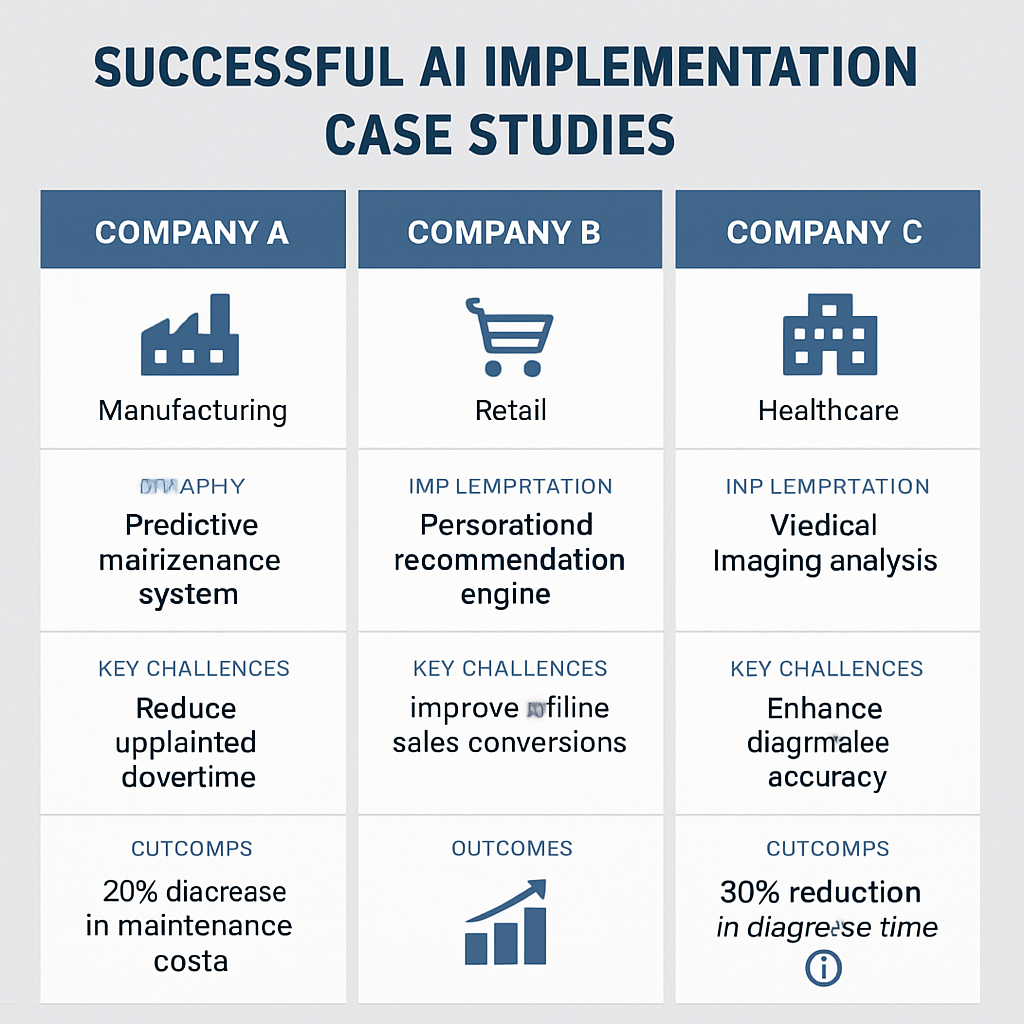
Figure 7.1: Comparison of AI implementation approaches in financial services organizations
These contrasting financial services examples illustrate different approaches to AI leadership based on organizational context, with the global bank pursuing comprehensive transformation while the regional bank implemented more targeted initiatives. Despite these differences, both organizations achieved significant business impact by aligning AI investments with strategic priorities, establishing appropriate governance mechanisms, and focusing on measurable outcomes rather than technological sophistication.
Healthcare: Enhancing Clinical Outcomes and Operational Efficiency
Healthcare organizations have increasingly adopted AI to enhance clinical outcomes, improve operational efficiency, and transform patient experiences. Several instructive case studies illustrate different approaches and outcomes in this complex domain.
Integrated Health System: Clinically-Focused AI Implementation
A large integrated health system with 15 hospitals and 200+ outpatient facilities established a CAIO role reporting to the Chief Medical Officer, with dotted-line relationship to the CIO. The CAIO, who had both clinical background as a physician and technical expertise in informatics, faced several significant challenges:
- Complex data landscape spanning clinical, operational, and financial systems
- Stringent regulatory requirements regarding patient privacy and data security
- Clinical stakeholders with varying levels of technology acceptance
- Limited precedent for AI applications in clinical settings
Strategic Approach: The CAIO developed a strategy with several key elements:
- Clinical Focus: Prioritizing applications with direct impact on clinical outcomes and patient care rather than purely operational improvements.
- Physician Partnership: Establishing clinical advisory board with respected physician leaders to guide prioritization and implementation.
- Evidence-Based Validation: Implementing rigorous validation processes similar to clinical research protocols for all AI applications.
- Ethical Framework: Developing comprehensive ethical guidelines addressing bias, explainability, and appropriate human oversight.
- Capability Building: Creating educational programs for clinicians to build understanding of AI capabilities and limitations.
Implementation Highlights: Several initiatives illustrate the health system's approach:
- Clinical Decision Support: Implementing AI-enhanced diagnostic support tools that improved early detection of sepsis by 29% and reduced time to appropriate intervention by 35%.
- Imaging Enhancement: Deploying computer vision capabilities that improved radiologist productivity by 22% while increasing detection of subtle abnormalities by 18%.
- Patient Deterioration Prediction: Creating predictive models that identified patients at risk of clinical deterioration 6-8 hours earlier than traditional methods.
- Treatment Optimization: Implementing personalized treatment recommendation systems that improved adherence to evidence-based guidelines by 40%.
Key Outcomes: After three years, the health system achieved several significant results:
- 15% reduction in average length of stay for key conditions
- 22% decrease in hospital-acquired complications
- 18% improvement in appropriate resource utilization
- Significant improvement in physician satisfaction with technology tools
Critical Success Factors: Several elements proved particularly important to the health system's success:
- Clinical Leadership: Ensuring that respected clinicians played central roles in all aspects of AI strategy and implementation.
- Rigorous Validation: Implementing comprehensive testing and validation processes that built clinical confidence in AI capabilities.
- Workflow Integration: Designing solutions that integrated seamlessly into clinical workflows rather than creating additional steps.
- Transparent Communication: Maintaining clear communication about AI capabilities and limitations, avoiding overpromising.
- Continuous Improvement: Establishing mechanisms for ongoing refinement based on clinical feedback and performance data.
Academic Medical Center: Research-Driven AI Innovation
In contrast to the integrated health system's clinically-focused approach, a leading academic medical center pursued a research-driven AI strategy emphasizing innovation and knowledge creation alongside clinical application. The institution created a joint leadership model with a Chief AI Research Officer reporting to the Dean of the Medical School and a Chief AI Implementation Officer reporting to the hospital CEO, with close coordination between the roles.
Strategic Approach: The academic medical center developed a strategy with several key elements:
- Research-Practice Integration: Creating explicit pathways for translating research innovations into clinical practice.
- Data Science Infrastructure: Building sophisticated data platforms and computational resources to support advanced research.
- Interdisciplinary Collaboration: Establishing formal collaboration mechanisms between clinical, technical, and ethical experts.
- External Partnership: Developing relationships with technology companies and research institutions to access specialized capabilities.
- Talent Development: Creating educational programs spanning medical education, residency training, and continuing professional development.
Implementation Highlights: Several initiatives illustrate the academic medical center's approach:
- Novel Biomarker Discovery: Using machine learning to identify previously unknown biomarkers for early disease detection, leading to new diagnostic approaches.
- Precision Medicine Advancement: Developing sophisticated models for treatment personalization based on genetic, clinical, and social factors.
- Clinical Trial Optimization: Creating AI-enhanced approaches for patient matching and protocol design that accelerated research timelines by 35%.
- Operational Intelligence: Implementing advanced analytics for resource allocation and patient flow optimization, improving throughput by 18%.
Key Outcomes: After four years, the academic medical center achieved several significant results:
- Development of 12 novel diagnostic and treatment approaches subsequently licensed to industry partners
- $75M in additional research funding specifically for AI-related investigations
- 25% increase in clinical trial enrollment and diversity
- Establishment of recognized leadership position in AI applications for precision medicine
Critical Success Factors: Several elements proved particularly important to the academic medical center's success:
- Dual Leadership Model: Creating explicit roles for both research innovation and clinical implementation with clear coordination mechanisms.
- Translational Pathways: Establishing formal processes for moving innovations from research to clinical application.
- Interdisciplinary Teams: Creating teams that combined clinical, technical, and ethical expertise rather than working in silos.
- External Engagement: Actively engaging with broader ecosystem through publications, conferences, and collaborative initiatives.
- Educational Integration: Incorporating AI concepts throughout medical education rather than treating as separate domain.
Figure 7.2: Comparison of AI implementation approaches in healthcare organizations
These contrasting healthcare examples illustrate different approaches to AI leadership based on organizational mission, with the integrated health system focusing primarily on clinical application while the academic medical center emphasized research innovation alongside implementation. Despite these differences, both organizations achieved significant impact by establishing appropriate governance structures, engaging clinical stakeholders effectively, and maintaining rigorous validation standards appropriate to healthcare contexts.
Manufacturing: Optimizing Operations and Product Development
Manufacturing organizations have increasingly adopted AI to enhance operational efficiency, improve product quality, and transform development processes. Several instructive case studies illustrate different approaches and outcomes in this domain.
Global Manufacturer: Enterprise-Wide Digital Transformation
A global manufacturer with operations across 25+ countries established a CAIO role as part of a comprehensive digital transformation initiative, with the position reporting to the Chief Digital Officer and having significant interaction with the COO. The CAIO, who came from an industrial engineering background with subsequent technology leadership experience, faced several significant challenges:
- Diverse manufacturing operations with varying levels of technological sophistication
- Limited instrumentation and data collection in older facilities
- Workforce concerns about automation and job impacts
- Significant variation in digital capabilities across geographic regions
Strategic Approach: The CAIO developed a strategy with several key elements:
- Operational Excellence Focus: Prioritizing applications with direct impact on core manufacturing metrics like quality, throughput, and cost.
- Phased Implementation: Creating staged approach starting with pilot facilities before broader deployment.
- Edge-to-Cloud Architecture: Developing technical architecture that combined edge processing for real-time applications with cloud capabilities for analytics.
- Workforce Engagement: Establishing explicit programs to engage frontline workers in solution design and implementation.
- Capability Building: Creating comprehensive training programs spanning leadership, technical teams, and operational staff.
Implementation Highlights: Several initiatives illustrate the manufacturer's approach:
- Predictive Maintenance: Implementing machine learning models that predicted equipment failures 7-10 days before occurrence, reducing unplanned downtime by 35%.
- Quality Optimization: Deploying computer vision systems for real-time quality inspection, reducing defect rates by 42% while decreasing inspection costs by 28%.
- Process Optimization: Creating reinforcement learning systems for manufacturing process control, improving yield by 15% while reducing energy consumption by 18%.
- Supply Chain Enhancement: Implementing predictive analytics for demand forecasting and inventory optimization, reducing working capital requirements by $120M.
Key Outcomes: After three years, the manufacturer achieved several significant results:
- $350M annual cost reduction through efficiency improvements and waste reduction
- 22% improvement in on-time delivery performance
- 35% reduction in quality-related customer complaints
- Development of internal AI capabilities with 200+ trained professionals across operations
Critical Success Factors: Several elements proved particularly important to the manufacturer's success:
- Operational Leadership Engagement: Ensuring that plant managers and operational leaders played central roles in prioritization and implementation.
- Workforce Inclusion: Actively involving frontline workers in solution design and implementation rather than imposing top-down approaches.
- Value Chain Perspective: Addressing end-to-end processes rather than optimizing individual steps in isolation.
- Technical Pragmatism: Focusing on practical solutions that could function in industrial environments rather than requiring ideal conditions.
- Knowledge Transfer: Creating explicit mechanisms for sharing insights and approaches across facilities to accelerate adoption.
Specialized Manufacturer: Product-Focused AI Innovation
In contrast to the global manufacturer's operational focus, a specialized manufacturer of high-precision components pursued a product-focused AI strategy emphasizing innovation in both product development and customer solutions. The company created a Chief Innovation Officer role with explicit responsibility for AI strategy and implementation, reporting directly to the CEO.
Strategic Approach: The specialized manufacturer developed a strategy with several key elements:
- Product Intelligence: Embedding AI capabilities directly into products to create new functionality and value propositions.
- Development Acceleration: Applying AI to product development processes to reduce cycle time and enhance innovation.
- Customer Solution Focus: Creating AI-enhanced offerings that addressed customer challenges rather than just selling components.
- Ecosystem Engagement: Developing partnerships with technology providers, research institutions, and customers for collaborative innovation.
- Talent Acquisition: Aggressively recruiting specialized expertise in areas like machine learning, computer vision, and natural language processing.
Implementation Highlights: Several initiatives illustrate the specialized manufacturer's approach:
- Intelligent Components: Developing components with embedded sensors and edge AI capabilities that enabled predictive maintenance and performance optimization.
- Generative Design: Implementing AI-powered design tools that explored thousands of potential configurations to identify optimal solutions, reducing development time by 40%.
- Digital Twin Creation: Building sophisticated digital twins that enabled virtual testing and validation, reducing physical prototyping requirements by 60%.
- Customer Analytics Platform: Creating cloud-based analytics platform that provided customers with operational insights based on component performance data.
Key Outcomes: After three years, the specialized manufacturer achieved several significant results:
- 35% of revenue from products and services that did not exist three years earlier
- 45% reduction in new product development cycle time
- 28% improvement in gross margins through higher-value offerings
- Significant shift in market perception from component supplier to solution provider
Critical Success Factors: Several elements proved particularly important to the specialized manufacturer's success:
- Customer Insight: Maintaining deep understanding of customer challenges and value drivers to guide innovation.
- Cross-Functional Integration: Creating tight integration between R&D, engineering, manufacturing, and commercial teams.
- Business Model Evolution: Developing new commercial models appropriate for AI-enhanced offerings rather than applying traditional approaches.
- Intellectual Property Strategy: Establishing comprehensive approach to protecting innovations while enabling appropriate collaboration.
- Cultural Transformation: Shifting organizational mindset from product manufacturing to solution provision.
Figure 7.3: Comparison of AI implementation approaches in manufacturing organizations
These contrasting manufacturing examples illustrate different approaches to AI leadership based on strategic focus, with the global manufacturer emphasizing operational excellence while the specialized manufacturer prioritized product innovation. Despite these differences, both organizations achieved significant impact by aligning AI investments with core strategic priorities, engaging key stakeholders effectively, and developing appropriate technical foundations for their specific contexts.
Retail: Personalizing Customer Engagement and Supply Chain Innovation
Retail organizations have increasingly adopted AI to enhance customer experiences, optimize operations, and transform business models. Several instructive case studies illustrate different approaches and outcomes in this dynamic sector.
Omnichannel Retailer: Customer-Centric AI Transformation
A large omnichannel retailer with both physical stores and significant e-commerce operations established a CAIO role reporting to the Chief Customer Officer, with dotted-line relationship to the CIO. The CAIO, who had previous experience in both retail and technology companies, faced several significant challenges:
- Fragmented customer data across multiple channels and touchpoints
- Legacy technology infrastructure with limited integration capabilities
- Organizational silos between online and physical store operations
- Intense competition from digital-native retailers with sophisticated capabilities
Strategic Approach: The CAIO developed a strategy with several key elements:
- Customer Data Platform: Creating unified customer data foundation that integrated information across all touchpoints.
- Personalization Engine: Developing sophisticated personalization capabilities that operated consistently across channels.
- Omnichannel Optimization: Implementing AI-powered approaches for inventory allocation, fulfillment optimization, and demand forecasting.
- Store Enhancement: Deploying AI capabilities that improved physical store operations and customer experiences.
- Agile Implementation: Establishing cross-functional teams using agile methodologies to accelerate development and deployment.
Implementation Highlights: Several initiatives illustrate the retailer's approach:
- Hyper-Personalization: Implementing real-time personalization across all channels that increased conversion rates by 35% and average order value by 18%.
- Inventory Optimization: Deploying machine learning for demand forecasting and inventory placement, reducing stockouts by 28% while decreasing inventory carrying costs by 15%.
- Dynamic Pricing: Creating AI-powered pricing capabilities that optimized margins while maintaining competitive positioning, improving gross profit by 12%.
- Store Analytics: Implementing computer vision and sensor technologies that provided insights into customer behavior and store operations, improving labor productivity by 22%.
Key Outcomes: After two years, the retailer achieved several significant results:
- 18% increase in same-store sales compared to industry average of 3%
- 35% growth in e-commerce revenue with 40% improvement in profitability
- 22% increase in customer retention metrics
- $220M annual cost reduction through operational efficiencies
Critical Success Factors: Several elements proved particularly important to the retailer's success:
- Customer Obsession: Maintaining relentless focus on customer experience and value rather than technology capabilities.
- Channel Integration: Breaking down organizational silos between online and physical operations to create truly integrated experiences.
- Data Foundation: Investing significantly in customer data platform as foundation for all AI initiatives rather than pursuing point solutions.
- Agile Transformation: Adopting agile methodologies and organizational structures to increase development velocity.
- Measurement Rigor: Implementing sophisticated measurement approaches that quantified impact across multiple dimensions.
Specialty Retailer: Targeted AI Implementation
In contrast to the omnichannel retailer's comprehensive approach, a specialty retailer with 200+ stores pursued a more targeted AI strategy focused on specific business priorities. Rather than establishing a dedicated CAIO role, the retailer created a VP of Advanced Analytics position reporting to the Chief Marketing Officer, with responsibility for AI strategy and implementation within specific domains.
Strategic Approach: The specialty retailer developed a focused strategy with several key elements:
- Priority Use Cases: Identifying limited set of high-impact applications rather than pursuing comprehensive transformation.
- Vendor Solutions: Leveraging packaged solutions from established vendors rather than building custom capabilities.
- Marketing Emphasis: Focusing primarily on customer acquisition, engagement, and retention applications.
- Incremental Expansion: Starting with limited scope and expanding based on demonstrated success rather than attempting broad implementation.
- Practical Metrics: Establishing clear business metrics for all initiatives with explicit ROI expectations.
Implementation Highlights: Several initiatives illustrate the specialty retailer's approach:
- Customer Segmentation: Implementing advanced segmentation that identified high-potential customer groups, increasing marketing efficiency by 28%.
- Campaign Optimization: Deploying machine learning for campaign optimization across channels, improving response rates by 35%.
- Loyalty Enhancement: Creating personalized loyalty program experiences that increased program engagement by 42%.
- Assortment Optimization: Implementing analytics for store-specific assortment planning, improving inventory productivity by 18%.
Key Outcomes: After 18 months, the specialty retailer achieved several significant results:
- 22% improvement in customer acquisition cost efficiency
- 15% increase in customer lifetime value for key segments
- 12% growth in same-store sales
- $35M annual marketing efficiency improvement
Critical Success Factors: Several elements proved particularly important to the specialty retailer's success:
- Focus and Prioritization: Maintaining disciplined focus on limited set of high-impact applications rather than pursuing multiple initiatives.
- Solution Selection: Implementing rigorous evaluation processes for vendor solutions based on specific requirements.
- Business Integration: Embedding analytics capabilities within existing business processes rather than creating separate functions.
- Capability Building: Developing internal skills to effectively use vendor solutions rather than remaining dependent on external expertise.
- Incremental Approach: Building momentum through demonstrated success before expanding scope.
Figure 7.4: Comparison of AI implementation approaches in retail organizations
These contrasting retail examples illustrate different approaches to AI leadership based on organizational scale and strategy, with the omnichannel retailer pursuing comprehensive transformation while the specialty retailer implemented more targeted initiatives. Despite these differences, both organizations achieved significant impact by aligning AI investments with core business priorities, establishing appropriate technical foundations, and focusing on measurable business outcomes rather than technological sophistication.
Technology: Building AI-First Products and Services
Technology organizations have been at the forefront of AI adoption, both embedding capabilities in their own products and developing AI-specific offerings. Several instructive case studies illustrate different approaches and outcomes in this sector.
Enterprise Software Company: AI-Enhanced Product Portfolio
A leading enterprise software company established a Chief AI Officer role reporting directly to the CEO, with responsibility for both internal AI capabilities and product-embedded AI features. The CAIO, who had previous experience in both research and product development, faced several significant challenges:
- Diverse product portfolio with varying technical architectures
- Customer base with different levels of AI readiness and appetite
- Competitive pressure from both established players and AI-native startups
- Talent competition from consumer technology companies with strong employer brands
Strategic Approach: The CAIO developed a strategy with several key elements:
- Platform Approach: Creating common AI services and capabilities that could be leveraged across multiple products.
- Customer Value Focus: Prioritizing applications with clear customer value rather than implementing AI for its own sake.
- Responsible AI Framework: Developing comprehensive approaches for addressing ethical considerations and potential risks.
- Ecosystem Strategy: Establishing partnerships with research institutions, specialized AI companies, and cloud providers.
- Talent Magnet Creation: Building compelling environment for AI talent through interesting problems, research opportunities, and impact potential.
Implementation Highlights: Several initiatives illustrate the software company's approach:
- Intelligent Automation: Embedding process automation capabilities enhanced with machine learning across product portfolio, reducing customer manual effort by 65%.
- Natural Language Interfaces: Implementing conversational interfaces that improved user experience and accessibility, increasing feature adoption by 45%.
- Predictive Analytics: Developing sophisticated predictive capabilities that provided customers with actionable insights, becoming top driver of renewal decisions.
- Personalization Engine: Creating adaptive user experiences that increased productivity and satisfaction, improving customer retention by 18%.
Key Outcomes: After three years, the software company achieved several significant results:
- 35% of new bookings directly attributed to AI-enhanced capabilities
- 22% improvement in customer satisfaction scores
- 15% increase in renewal rates across product portfolio
- Successful talent acquisition despite competitive market, with 150+ AI specialists hired
Critical Success Factors: Several elements proved particularly important to the software company's success:
- Customer Problem Focus: Maintaining emphasis on solving genuine customer problems rather than implementing AI for marketing purposes.
- Platform Investment: Creating reusable technical foundations that accelerated development across product portfolio.
- Product Management Evolution: Developing new product management approaches appropriate for AI-enhanced offerings.
- Technical Debt Management: Addressing legacy architectures that limited AI integration potential.
- Ethical Leadership: Establishing clear ethical principles and governance mechanisms that built customer trust.
AI-Native Startup: Purpose-Built AI Solutions
In contrast to the enterprise software company's portfolio enhancement approach, an AI-native startup pursued a strategy focused on developing purpose-built solutions for specific industry challenges. The company was founded by AI researchers and maintained a distributed leadership model with the CTO serving as de facto CAIO.
Strategic Approach: The AI-native startup developed a strategy with several key elements:
- Domain Specialization: Focusing on specific industry vertical with deep domain expertise rather than pursuing horizontal capabilities.
- Data Advantage: Creating proprietary datasets and data processing approaches as competitive differentiators.
- Technical Innovation: Investing significantly in research and development to maintain technical leadership.
- Solution Completeness: Delivering end-to-end solutions rather than components requiring significant integration.
- Customer Co-Development: Establishing deep partnerships with early customers for collaborative solution development.
Implementation Highlights: Several initiatives illustrate the startup's approach:
- Specialized Algorithms: Developing algorithms specifically optimized for industry-specific challenges, achieving performance 35% better than general-purpose approaches.
- Data Enrichment: Creating sophisticated data processing pipelines that enhanced raw data with contextual information, improving model performance by 40%.
- Domain-Specific Interfaces: Building user experiences designed for specific user types and workflows, reducing training requirements by 60%.
- Integration Capabilities: Developing pre-built integrations with common industry systems, reducing implementation time by 70%.
Key Outcomes: After four years, the AI-native startup achieved several significant results:
- Rapid growth to $50M annual recurring revenue
- 85% gross retention and 130% net retention metrics
- Establishment of category leadership position within target industry
- Successful $120M Series C funding round at favorable valuation
Critical Success Factors: Several elements proved particularly important to the startup's success:
- Focus and Specialization: Maintaining disciplined focus on specific domain rather than pursuing multiple opportunities.
- Technical-Domain Balance: Combining technical expertise with deep industry knowledge rather than emphasizing either in isolation.
- Customer Partnership: Establishing collaborative relationships with early customers that provided both feedback and references.
- Solution Orientation: Delivering complete solutions rather than requiring customers to integrate components.
- Talent Density: Maintaining high talent standards despite growth pressure, creating virtuous cycle of attraction.
Figure 7.5: Comparison of AI implementation approaches in technology organizations
These contrasting technology examples illustrate different approaches to AI leadership based on organizational context, with the enterprise software company enhancing existing portfolio while the AI-native startup built purpose-specific solutions. Despite these differences, both organizations achieved significant impact by establishing clear strategic focus, developing appropriate technical foundations, and maintaining strong customer orientation throughout their development processes.
Cross-Industry Best Practices and Common Patterns
While the case studies above illustrate industry-specific approaches, several common patterns and best practices emerge across different sectors. These cross-cutting insights provide valuable guidance for CAIOs regardless of their specific industry context.
Strategic Alignment and Governance
Successful AI implementations consistently demonstrate strong alignment with organizational strategy and appropriate governance mechanisms:
- Executive Alignment: Securing active support from CEO and executive leadership team, with regular engagement and visible championship.
- Strategic Integration: Embedding AI initiatives within broader organizational strategy rather than pursuing separate technology agenda.
- Governance Clarity: Establishing clear decision rights, approval processes, and oversight mechanisms appropriate to organizational context.
- Ethical Framework: Developing comprehensive approaches for addressing bias, explainability, privacy, and other ethical considerations.
- Portfolio Management: Creating balanced initiative portfolios that include quick wins, core improvements, and transformative opportunities.
Organizations that treat AI as a strategic capability rather than a technology implementation consistently achieve better results, with governance approaches that balance appropriate oversight with implementation velocity.
Organizational Structure and Talent
Effective organizational structures and talent strategies represent critical success factors across industries:
- Structural Evolution: Creating organizational structures that evolve as maturity increases, typically starting with more centralized approaches before shifting toward more distributed models.
- Balanced Talent Strategy: Combining targeted external hiring for specialized roles with extensive internal capability building to create sustainable skills.
- Cross-Functional Integration: Establishing explicit mechanisms for collaboration across organizational boundaries, particularly between technical and domain experts.
- Career Path Development: Creating clear advancement opportunities for technical specialists that don't require management transitions.
- Cultural Consideration: Addressing cultural factors that influence AI adoption, including risk tolerance, decision approaches, and collaboration patterns.
Organizations that develop sophisticated approaches to structure and talent consistently outperform those that apply generic organizational models or focus exclusively on technical skills without addressing broader organizational capabilities.
Technical Foundation and Implementation
Strong technical foundations and effective implementation approaches represent consistent patterns across successful organizations:
- Data Strategy: Developing comprehensive data strategies that address quality, accessibility, governance, and other critical factors.
- Platform Approach: Creating reusable technical foundations that accelerate development and ensure consistency rather than building isolated solutions.
- Architectural Consideration: Establishing appropriate architectural patterns that balance immediate needs with longer-term flexibility and scalability.
- Agile Methodologies: Implementing iterative development approaches that enable rapid learning and adaptation rather than traditional waterfall methods.
- Integration Focus: Ensuring seamless integration with existing systems and processes rather than creating parallel capabilities.
Organizations that invest in strong technical foundations consistently achieve better results than those pursuing point solutions, with particular emphasis on data quality and accessibility as critical enablers.
Change Management and Adoption
Sophisticated change management represents a critical success factor across all industries and implementation types:
- Stakeholder Engagement: Involving key stakeholders throughout the process rather than presenting completed solutions for approval.
- User-Centered Design: Creating solutions that address genuine user needs and integrate effectively with existing workflows.
- Communication Strategy: Developing comprehensive communication approaches that build understanding and address concerns.
- Capability Building: Providing appropriate training and support to enable effective utilization of new capabilities.
- Success Demonstration: Implementing visible "lighthouse" projects that demonstrate value and build momentum for broader adoption.
Organizations that invest as much in change management as in technical implementation consistently achieve higher adoption rates and greater value realization, regardless of specific technology approaches.
Measurement and Value Realization
Rigorous measurement and deliberate value realization approaches represent consistent patterns across successful implementations:
- Comprehensive Metrics: Developing measurement frameworks that capture multiple value dimensions, including both quantitative and qualitative benefits.
- Baseline Establishment: Implementing rigorous approaches for establishing performance baselines before implementation, enabling accurate measurement of changes.
- Attribution Methodology: Creating approaches for isolating AI impact from other factors affecting performance to demonstrate specific contribution.
- Value Capture: Establishing explicit processes for translating technical capabilities into actual business outcomes through appropriate change management.
- Continuous Improvement: Implementing ongoing enhancement based on performance data, user feedback, and emerging capabilities.
Figure 7.6: Cross-industry best practices for successful AI implementation
Organizations that implement sophisticated measurement approaches consistently achieve better results than those focusing exclusively on implementation without clear value realization mechanisms.
Conclusion
The case studies examined in this chapter illustrate both the diversity of AI implementation approaches across different industries and the common patterns that emerge despite these variations. While specific applications, organizational structures, and implementation methods differ based on industry context and organizational characteristics, several consistent themes appear across successful implementations:
- Strategic Alignment: Successful AI initiatives maintain clear connection to core organizational priorities rather than pursuing technology for its own sake.
- Balanced Leadership: Effective AI implementation requires both technical expertise and business understanding, with leadership approaches that integrate these perspectives.
- Organizational Adaptation: Successful organizations adapt their structures, processes, and talent strategies to support AI implementation rather than forcing new capabilities into existing frameworks.
- Technical-Human Integration: The most effective implementations balance technological sophistication with human factors, recognizing that successful adoption depends on both dimensions.
- Value Focus: Organizations that maintain relentless focus on business value consistently outperform those emphasizing technological sophistication without clear connection to outcomes.
These case studies provide valuable guidance for CAIOs across different industries, offering both specific implementation approaches and broader strategic insights. By learning from both successes and challenges experienced by others, CAIOs can develop more effective strategies for their own organizational contexts, adapting proven patterns while avoiding common pitfalls. The next chapter builds on these practical insights by examining emerging trends that will shape the future evolution of the CAIO role and AI implementation approaches.