Chapter 4: Organizational Impact of the Chief AI Officer
In This Chapter:
The introduction of a Chief AI Officer (CAIO) represents more than just adding another executive role—it signals a fundamental shift in how organizations approach technology, decision-making, and value creation. The CAIO's impact extends far beyond their immediate team, influencing organizational structure, culture, workforce composition, and operational processes. This chapter examines the multifaceted organizational impact of establishing a CAIO role, providing insights for both organizations considering this position and existing CAIOs seeking to maximize their positive influence.
Organizational Structure and Reporting Relationships
The introduction of a CAIO role typically triggers significant changes to organizational structure and reporting relationships. These structural impacts vary based on organizational context but generally include several common patterns:
Reporting Relationships: The CAIO's reporting relationship signals the strategic importance of AI within the organization and influences their ability to drive enterprise-wide transformation. Most commonly, CAIOs report directly to the CEO, positioning AI as a strategic priority with C-suite visibility and support. This reporting relationship facilitates strategic alignment, ensures appropriate resource allocation, and enables the organizational influence needed for successful implementation. In some organizations, particularly those with strong technology orientations, CAIOs may report to the CIO or CTO, creating closer integration with existing technology functions but potentially limiting broader organizational influence.
Organizational Positioning: Beyond reporting relationships, the CAIO's positioning within the broader organizational structure significantly impacts their effectiveness. Successful CAIOs typically operate as peer-level executives with other C-suite leaders, participating in strategic planning processes, executive committee meetings, and board interactions. This positioning enables appropriate influence on strategic decisions, resource allocation, and organizational priorities. Organizations that position CAIOs at lower levels or within specific functional silos often struggle to achieve enterprise-wide AI transformation, limiting impact to specific domains rather than driving broader organizational change.
Team Structure: The CAIO typically builds a dedicated team that combines technical expertise with business understanding and change management capabilities. Common team structures include:
- Centralized Model: All AI resources report directly to the CAIO, creating concentrated expertise and consistent standards but potentially creating distance from business units.
- Federated Model: Core AI expertise reports to the CAIO, while implementation resources are embedded within business units, balancing central coordination with local responsiveness.
- Hub-and-Spoke Model: The CAIO leads a central team that provides expertise, standards, and governance, while business units maintain their own AI resources that follow central guidelines.
Most organizations evolve their team structure over time, typically starting with centralized models to build critical mass and establish standards, then gradually shifting toward more distributed approaches as AI maturity increases.
Relationship with Existing Functions: The CAIO role creates new interfaces with existing functions, requiring careful delineation of responsibilities and collaboration models. Key relationships include:
- IT/Technology: Clear boundaries between CAIO and CIO/CTO responsibilities regarding infrastructure, development processes, and technology standards.
- Data: Defined relationship with Chief Data Officer (if present) regarding data governance, quality, and architecture.
- Digital: Coordination with digital transformation leaders on integrated customer experiences and operational processes.
- Innovation: Alignment with innovation functions on exploration of emerging technologies and new business models.
- Business Units: Engagement models with business unit leaders for prioritization, resource allocation, and implementation support.
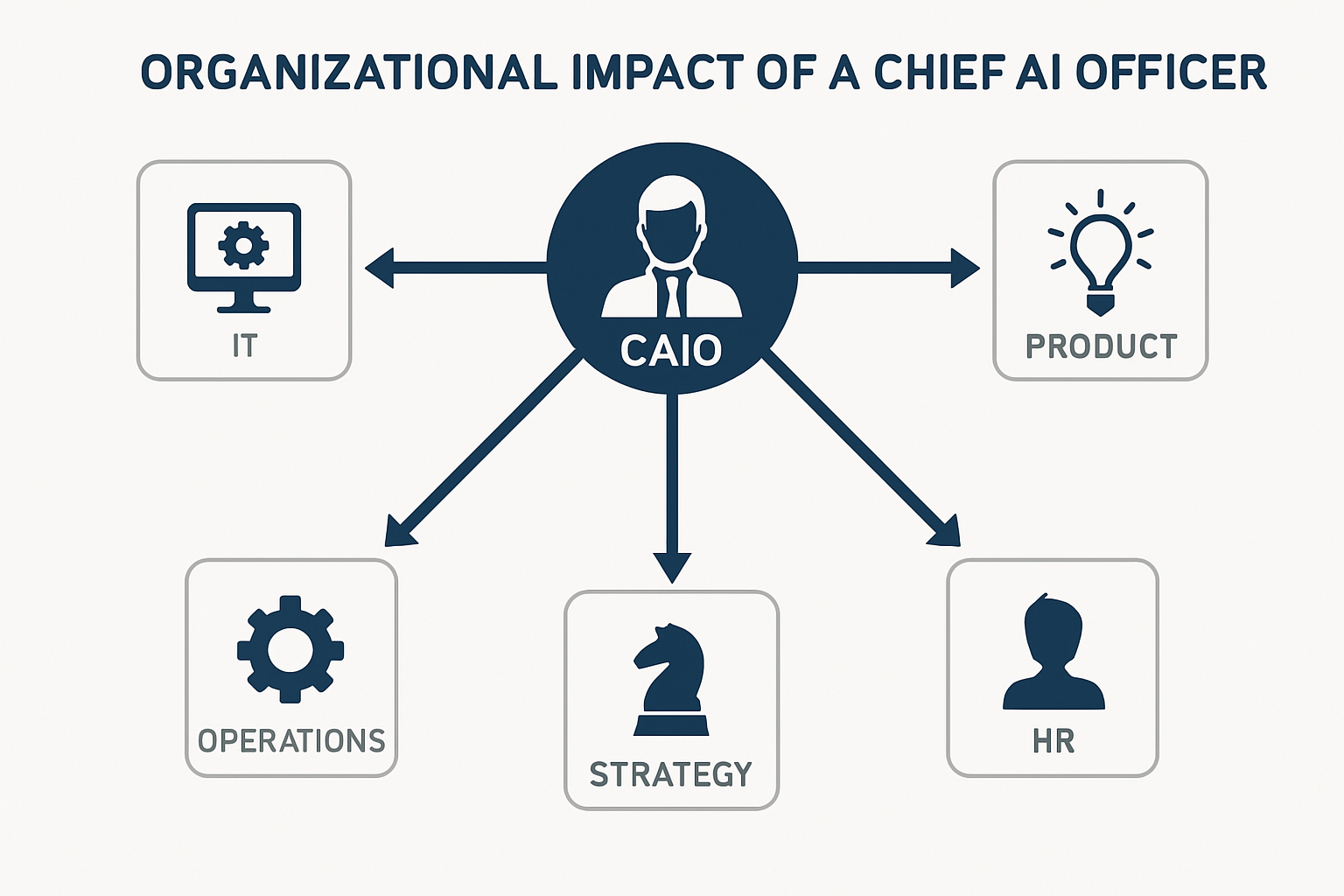
Figure 4.1: Organizational structure models showing different reporting relationships and team structures for the CAIO role
The structural impact of introducing a CAIO role extends beyond formal reporting relationships to include governance mechanisms, decision rights, and collaboration forums. Effective CAIOs establish clear governance structures that define how AI-related decisions are made, including steering committees, review boards, and escalation paths. These governance mechanisms balance the need for appropriate oversight with the agility required for successful innovation, creating guardrails without unnecessary bureaucracy.
Cross-Functional Collaboration Models
Given AI's cross-cutting nature, the CAIO role catalyzes new cross-functional collaboration models that break down traditional silos and enable integrated approaches to value creation. These collaboration impacts include:
Collaborative Decision-Making: The CAIO typically establishes collaborative decision-making processes that engage multiple stakeholders in prioritization, resource allocation, and implementation planning. These processes often include formal mechanisms such as AI steering committees, investment review boards, and cross-functional working groups that bring together diverse perspectives. Effective collaboration models balance inclusive engagement with efficient decision-making, creating appropriate forums for input while maintaining clear decision rights and accountability.
Joint Delivery Models: Successful AI implementation requires integrated delivery approaches that combine technical expertise with domain knowledge and change management capabilities. The CAIO typically establishes joint delivery models that create multidisciplinary teams combining AI specialists, business experts, process designers, and change agents. These integrated teams overcome the limitations of traditional handoff approaches, enabling iterative development that incorporates diverse perspectives throughout the process rather than at specific checkpoints.
Knowledge Sharing Mechanisms: The CAIO creates knowledge sharing mechanisms that disseminate insights, best practices, and lessons learned across organizational boundaries. These mechanisms include communities of practice, knowledge repositories, training programs, and regular forums that connect practitioners across different functions and business units. Effective knowledge sharing accelerates organizational learning, prevents repeated mistakes, and enables consistent application of emerging best practices.
Boundary-Spanning Roles: The CAIO often establishes boundary-spanning roles that connect technical teams with business functions, translating between different perspectives and facilitating productive collaboration. These roles—variously called translators, ambassadors, or product owners—combine sufficient technical understanding with deep business knowledge, enabling effective communication across traditional boundaries. Successful boundary spanners build trust in both directions, ensuring that technical teams understand business requirements while helping business stakeholders appreciate technical considerations.
Ecosystem Engagement: Beyond internal collaboration, the CAIO typically establishes models for engaging external ecosystem partners, including technology providers, research institutions, startups, and industry consortia. These engagement models create structured approaches for identifying potential partners, establishing productive relationships, and managing collaborative initiatives. Effective ecosystem engagement expands organizational capabilities beyond internal resources, providing access to specialized expertise, emerging technologies, and diverse perspectives.
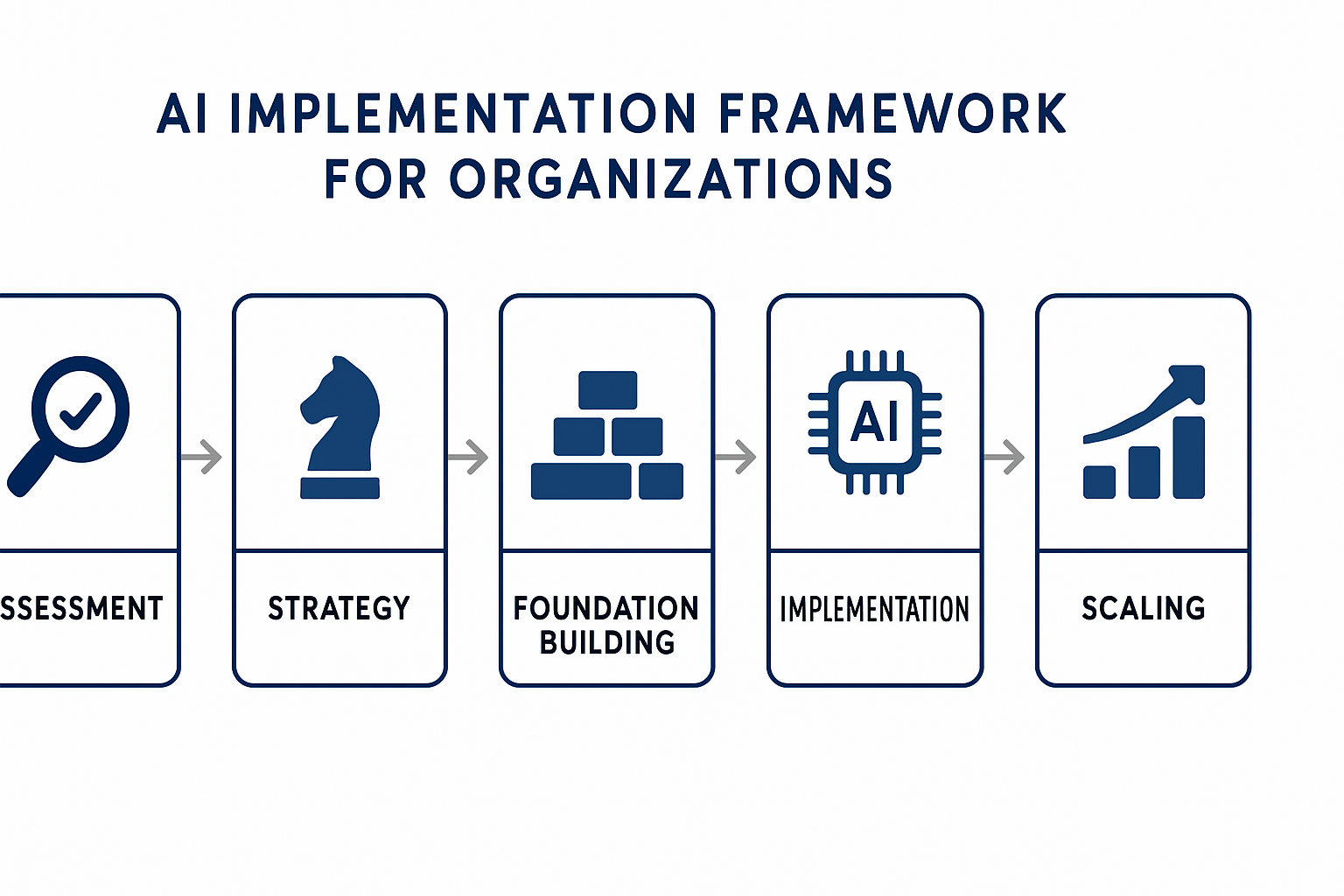
Figure 4.2: Cross-functional collaboration framework showing different collaboration models and mechanisms facilitated by the CAIO role
The collaboration impact of the CAIO role extends beyond formal mechanisms to include cultural shifts that enable more fluid cooperation across traditional boundaries. Effective CAIOs model collaborative behaviors themselves, demonstrating openness to diverse perspectives, willingness to share credit, and commitment to collective success rather than functional optimization. These behavioral examples, combined with formal collaboration mechanisms, gradually reshape organizational norms around cross-functional engagement.
Cultural Transformation
Perhaps the most profound organizational impact of the CAIO role involves cultural transformation—shifting fundamental beliefs, values, and behaviors that shape how work gets done. These cultural impacts include:
Data-Driven Decision-Making: The CAIO typically drives cultural shifts toward more data-driven decision-making approaches that complement traditional intuition and experience. This shift involves establishing new norms around evidence requirements, analytical rigor, and hypothesis testing that gradually reshape how decisions are made throughout the organization. Effective cultural change in this area balances analytical approaches with appropriate judgment, recognizing that data represents one input to decision-making rather than a replacement for human wisdom.
Experimental Mindsets: Successful AI implementation requires experimental mindsets that embrace iterative learning, tolerate productive failure, and adapt based on emerging insights. The CAIO typically fosters cultural shifts toward greater comfort with uncertainty, willingness to test hypotheses, and openness to changing direction based on evidence. These experimental mindsets represent significant departures from traditional planning-oriented cultures that emphasize predictability and stability, requiring sustained effort to embed new norms and behaviors.
Continuous Learning: The CAIO often catalyzes cultural shifts toward continuous learning orientations that prioritize ongoing skill development, knowledge acquisition, and capability building. These learning cultures create expectations around regular upskilling, knowledge sharing, and professional development that enable organizations to adapt to rapidly evolving technologies and applications. Effective learning cultures balance formal training with experiential learning, creating multiple pathways for developing new capabilities.
Ethical Awareness: As AI applications increasingly impact critical decisions and customer experiences, the CAIO typically drives cultural shifts toward greater ethical awareness and responsibility. These shifts involve establishing new norms around considering ethical implications, engaging diverse perspectives, and making thoughtful trade-offs that balance multiple considerations. Effective ethical cultures embed ethical reflection in everyday work rather than treating it as a separate compliance activity, creating shared responsibility for responsible AI development and deployment.
Collaborative Orientation: The CAIO often fosters cultural shifts toward more collaborative orientations that value cross-functional teamwork, shared ownership, and collective problem-solving. These collaborative cultures break down traditional silos, reduce territorial behaviors, and create greater openness to diverse perspectives. Effective collaboration cultures balance collective engagement with clear accountability, creating shared responsibility without diffusing ownership for outcomes.
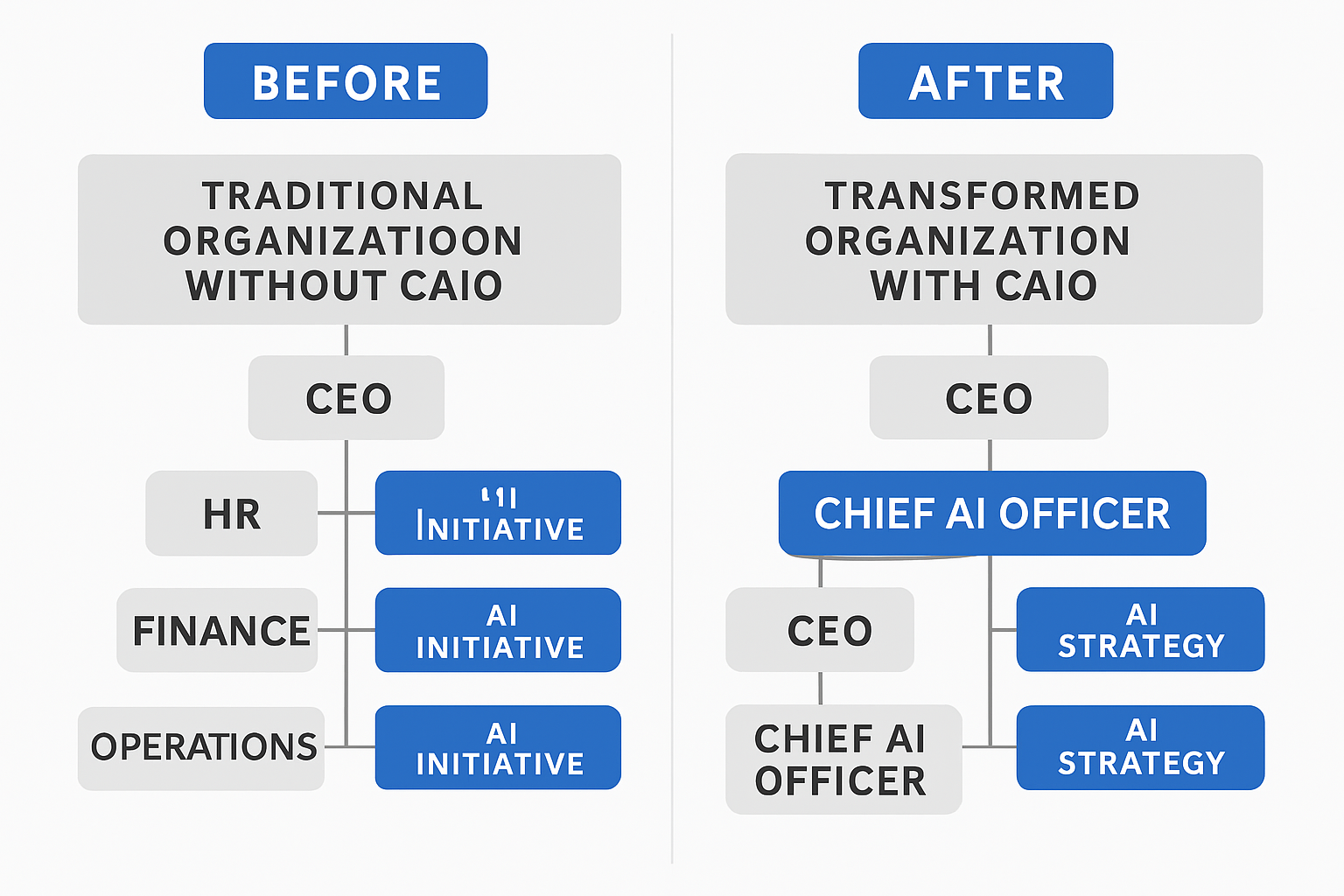
Figure 4.3: Cultural transformation framework showing the before and after states of organizational culture influenced by the CAIO role
Cultural transformation represents one of the most challenging aspects of the CAIO's organizational impact, requiring sustained effort over extended periods to shift deeply embedded beliefs and behaviors. Effective CAIOs recognize that cultural change happens gradually through consistent messaging, behavioral modeling, symbolic actions, and systemic reinforcement rather than through declarations or policy changes alone. They identify and engage cultural influencers throughout the organization, creating a network of change agents who model and reinforce desired behaviors within their local contexts.
Workforce Evolution and Skill Development
The CAIO role typically catalyzes significant workforce evolution as organizations develop new capabilities, reshape existing roles, and establish new career paths. These workforce impacts include:
New Role Creation: The CAIO typically establishes new roles that didn't previously exist within the organization, including specialized technical positions (data scientists, machine learning engineers, AI ethicists) and hybrid roles that combine technical and business capabilities (AI product managers, business translators, implementation leads). These new roles create career opportunities for existing employees while attracting new talent with specialized expertise. Effective workforce planning balances building internal capabilities with strategic external hiring, creating appropriate blend of institutional knowledge and fresh perspectives.
Role Evolution: Beyond creating entirely new positions, the CAIO typically influences the evolution of existing roles as AI capabilities become integrated into core business processes. This evolution includes changing skill requirements, responsibility shifts, and new performance expectations across multiple functions:
- Business Leaders: Increasing requirements for data literacy, technology understanding, and change leadership capabilities.
- Functional Specialists: Growing emphasis on collaboration with AI teams, process redesign skills, and implementation capabilities.
- Technology Roles: Shifting focus toward AI-specific infrastructure, development methodologies, and integration approaches.
- Support Functions: Emerging requirements for AI-related expertise in legal, risk, HR, and other enabling functions.
This role evolution creates both opportunities and challenges for existing employees, requiring thoughtful change management and development support to enable successful transitions.
Skill Development Programs: The CAIO typically establishes comprehensive skill development programs that build AI-related capabilities across the organization. These programs include:
- Technical Training: Specialized development for technical roles, including both foundational concepts and advanced techniques.
- Business Education: AI literacy programs for business leaders and functional specialists, focusing on applications and implications rather than technical details.
- Implementation Capabilities: Practical training on AI implementation approaches, including change management, process redesign, and adoption acceleration.
- Ethical Understanding: Education on ethical considerations, responsible AI practices, and governance approaches.
Effective skill development programs combine formal training with experiential learning, creating multiple pathways for capability building that accommodate different learning styles and starting points.
Career Path Development: The CAIO often establishes new career paths that provide growth opportunities for employees developing AI-related expertise. These career paths include both technical advancement tracks that enable progression without moving into management and cross-functional paths that combine technical and business responsibilities. Clear career paths help attract and retain talent by demonstrating long-term commitment to AI capabilities and providing visible growth opportunities for employees investing in these skills.
Talent Management Approaches: The CAIO typically influences broader talent management approaches to address the unique characteristics of AI-related roles, including:
- Recruitment Strategies: Specialized sourcing approaches, compelling value propositions, and innovative assessment methods for scarce AI talent.
- Retention Programs: Tailored approaches for engaging and retaining AI specialists, including learning opportunities, challenging work, and appropriate recognition.
- Performance Management: Adapted evaluation approaches that reflect the experimental nature of AI work and longer-term value creation horizons.
- Compensation Models: Competitive compensation structures that reflect market realities for specialized skills while maintaining internal equity.
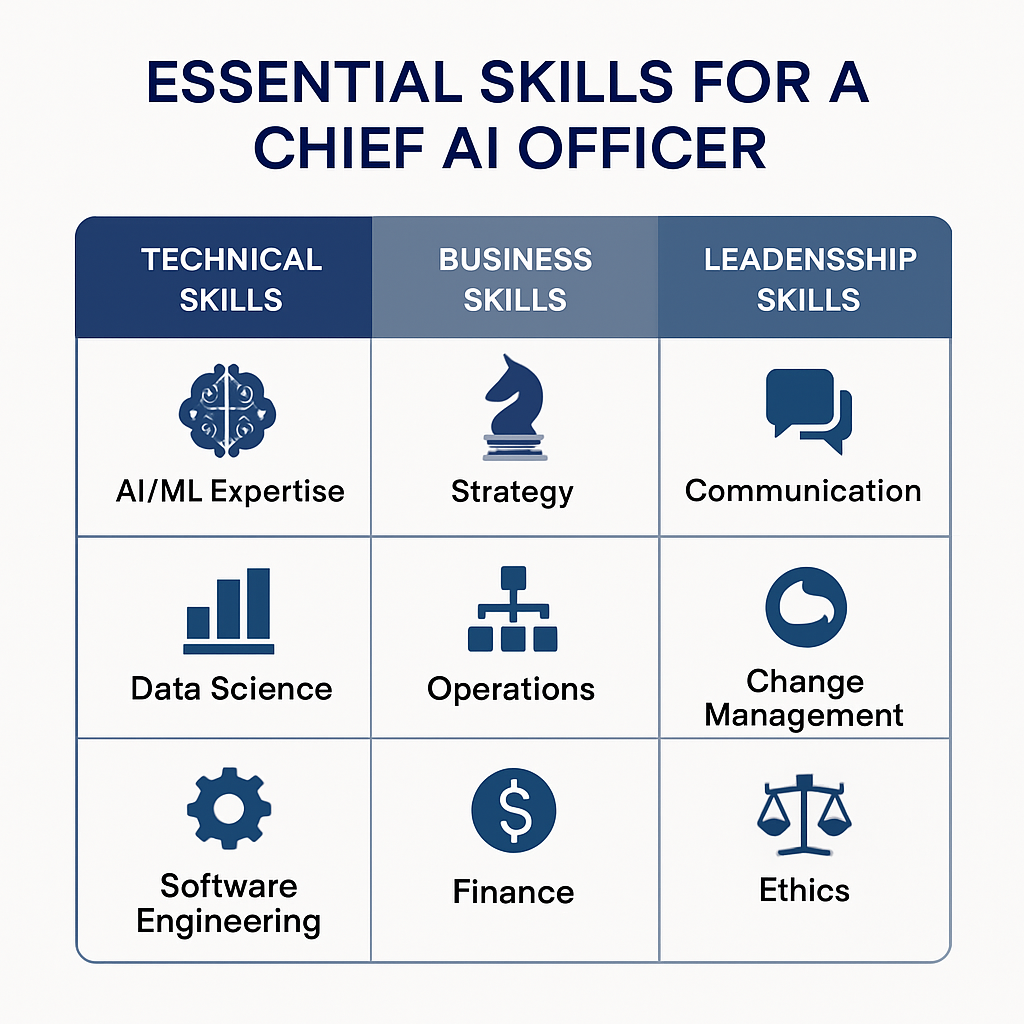
Figure 4.4: Workforce evolution framework showing the changing skill requirements and role transformations influenced by the CAIO
The workforce impact of the CAIO role extends beyond specific positions and skills to include broader questions about human-machine collaboration, augmentation versus automation, and the changing nature of work itself. Effective CAIOs engage thoughtfully with these broader implications, developing nuanced perspectives on how AI will reshape work and proactively addressing employee concerns about potential displacement or role changes. They position AI as an augmentation tool that enhances human capabilities rather than a replacement technology, creating narratives that emphasize new opportunities rather than threats.
Decision-Making Processes
The CAIO role typically catalyzes significant changes to organizational decision-making processes, introducing new approaches, criteria, and mechanisms. These decision-making impacts include:
Data-Informed Approaches: The CAIO typically drives shifts toward more data-informed decision-making processes that complement traditional approaches based primarily on experience and intuition. These shifts include establishing new expectations around evidence requirements, analytical rigor, and hypothesis testing that gradually reshape decision practices throughout the organization. Effective CAIOs balance data-driven approaches with appropriate judgment, recognizing that data represents one input to decision-making rather than a replacement for human wisdom.
Decision Augmentation: Beyond informing human decisions, the CAIO often implements AI-powered decision augmentation approaches that enhance human judgment through predictive insights, scenario analysis, and recommendation systems. These augmentation approaches maintain human accountability while leveraging AI capabilities to consider more factors, identify non-obvious patterns, and evaluate more alternatives than would be possible through purely human processes. Effective decision augmentation creates productive human-machine partnerships rather than replacing human judgment entirely.
Decision Automation: In appropriate contexts, the CAIO may implement decision automation approaches that handle routine decisions through AI systems, freeing human capacity for more complex or nuanced situations. These automation approaches typically focus on high-volume, rule-based decisions with clear evaluation criteria and limited exceptions, maintaining human oversight while increasing consistency and efficiency. Effective decision automation includes appropriate controls, monitoring mechanisms, and exception handling processes that ensure proper functioning while enabling human intervention when needed.
Decision Rights and Governance: The CAIO typically establishes clear decision rights and governance mechanisms for AI-related decisions, including:
- Strategic Decisions: Processes for setting AI priorities, allocating resources, and making major investment choices.
- Implementation Decisions: Frameworks for making technical choices, design decisions, and deployment approaches.
- Operational Decisions: Mechanisms for ongoing management, performance monitoring, and continuous improvement.
- Ethical Decisions: Processes for evaluating ethical implications, making trade-off decisions, and establishing appropriate guardrails.
These governance mechanisms balance the need for appropriate oversight with the agility required for successful innovation, creating guardrails without unnecessary bureaucracy.
Evaluation Criteria: The CAIO often introduces new evaluation criteria that shape decision-making across multiple domains, including:
- Investment Decisions: Expanded criteria that consider strategic positioning, capability building, and option value alongside traditional financial metrics.
- Solution Evaluation: Multidimensional frameworks that assess technical performance, business impact, user experience, and ethical considerations.
- Risk Assessment: Comprehensive approaches that consider technical, operational, reputational, and ethical risks in integrated fashion.
- Performance Measurement: Balanced metrics that capture both immediate outcomes and longer-term capability development.
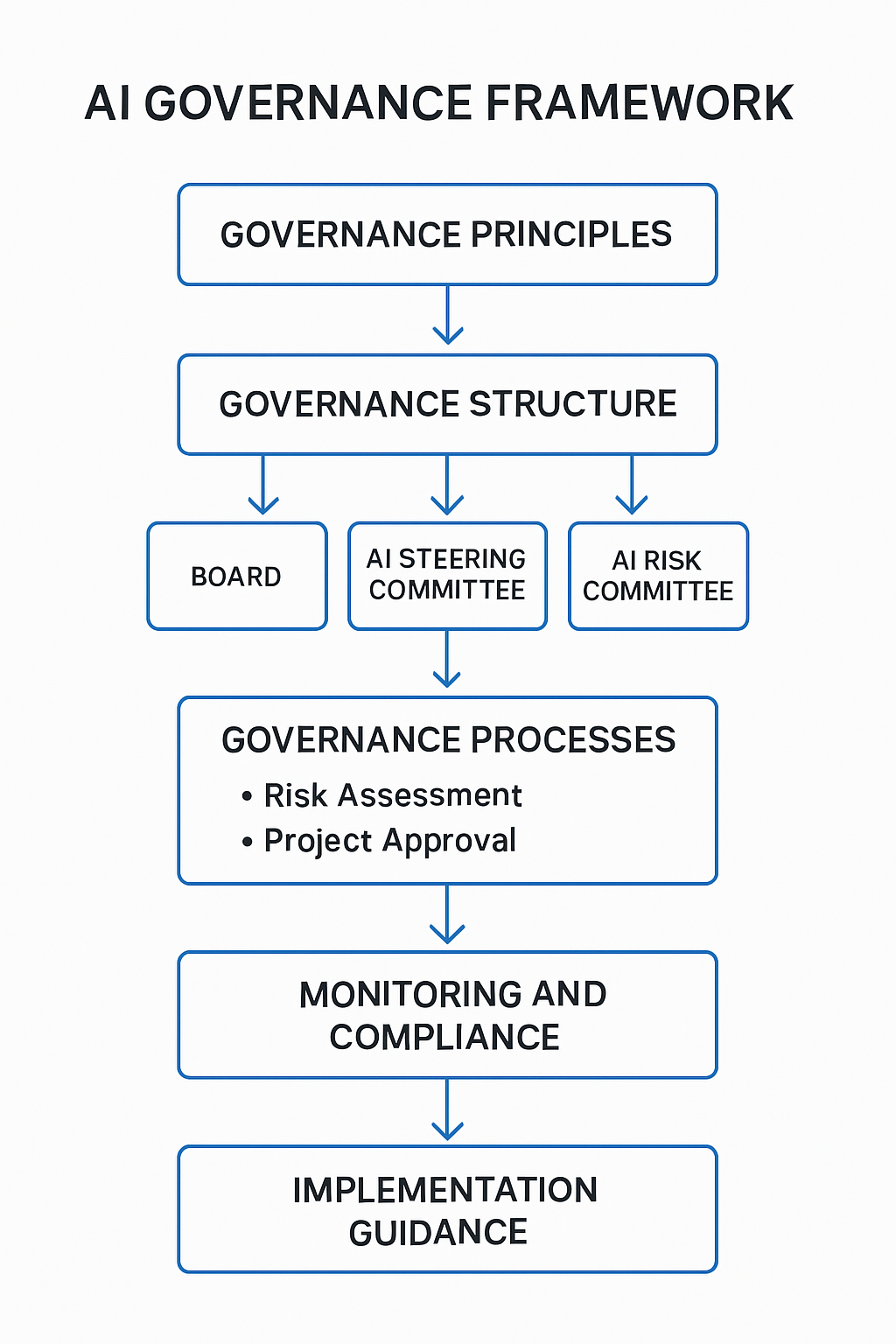
Figure 4.5: Decision-making framework showing the changing decision processes and governance mechanisms influenced by the CAIO
The decision-making impact of the CAIO role extends beyond formal processes to include cultural shifts in how decisions are approached, discussed, and evaluated. Effective CAIOs model data-informed decision-making themselves, demonstrating appropriate use of evidence while acknowledging uncertainty and judgment factors. They create psychological safety for questioning traditional approaches, encouraging thoughtful challenge while maintaining decision efficiency. These behavioral examples, combined with formal process changes, gradually reshape organizational norms around decision-making.
Measuring Organizational Impact
Given the multifaceted nature of the CAIO's organizational impact, comprehensive measurement approaches are essential for tracking progress, demonstrating value, and guiding ongoing efforts. These measurement approaches typically include:
Capability Metrics: Measures that track the development of AI-related capabilities across multiple dimensions:
- Technical Capabilities: Infrastructure readiness, tool adoption, technical skill availability, and other foundational elements.
- Data Capabilities: Data availability, quality, integration, governance, and other enabling factors.
- Process Capabilities: Development methodologies, implementation approaches, operational processes, and other procedural elements.
- People Capabilities: Skill levels, role coverage, leadership alignment, and other human factors.
These capability metrics provide leading indicators of future impact potential, tracking progress on foundational elements that enable successful implementation.
Implementation Metrics: Measures that track the scale and effectiveness of AI implementation efforts:
- Implementation Volume: Number of AI initiatives in development, testing, and production across different business areas.
- Implementation Velocity: Speed of moving from concept to production, including cycle time reductions and process efficiency improvements.
- Implementation Quality: Technical performance, user satisfaction, and other indicators of solution effectiveness.
- Implementation Adoption: Usage levels, user engagement, and other indicators of successful organizational adoption.
These implementation metrics provide intermediate indicators of impact, tracking the organization's ability to move from capability building to actual deployment.
Business Impact Metrics: Measures that track the tangible business outcomes generated through AI implementation:
- Financial Impact: Revenue growth, cost reduction, margin improvement, and other economic benefits.
- Customer Impact: Satisfaction improvements, experience enhancements, retention increases, and other customer benefits.
- Operational Impact: Efficiency gains, quality improvements, cycle time reductions, and other operational benefits.
- Strategic Impact: Competitive differentiation, market share gains, new business models, and other strategic advantages.
These business impact metrics provide lagging indicators of value creation, demonstrating the ultimate outcomes of capability building and implementation efforts.
Cultural Metrics: Measures that track the cultural shifts catalyzed by the CAIO role:
- Behavioral Indicators: Observable changes in decision-making approaches, collaboration patterns, and other key behaviors.
- Attitudinal Measures: Survey-based assessments of beliefs, values, and perceptions related to AI adoption and implementation.
- Engagement Metrics: Participation levels in AI-related initiatives, training programs, and other voluntary activities.
- Leadership Indicators: Executive sponsorship, resource allocation, public messaging, and other signals of leadership commitment.
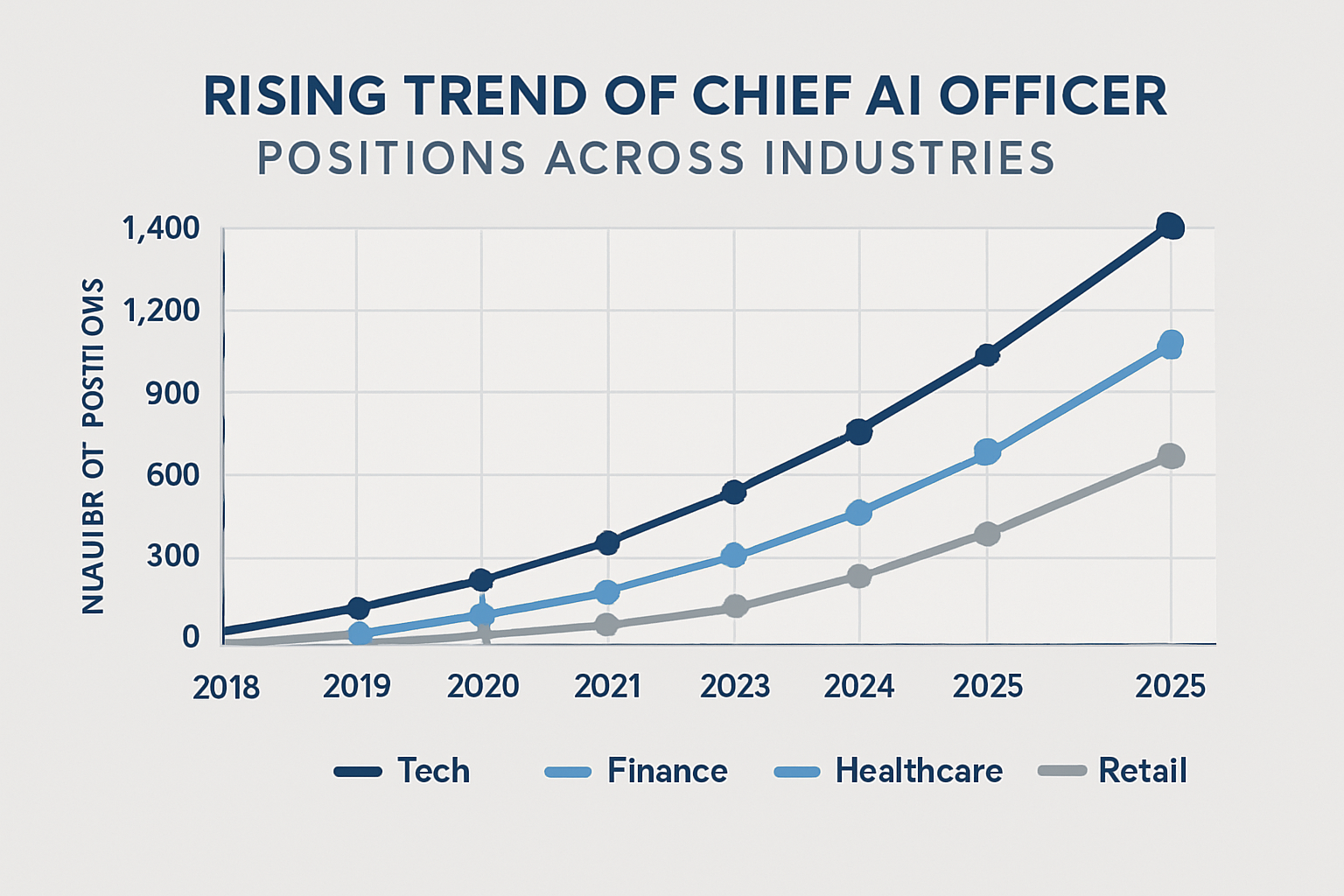
Figure 4.6: Impact measurement framework showing the different metrics and approaches for tracking the organizational impact of the CAIO
Effective measurement approaches balance quantitative and qualitative indicators, combining hard metrics with narrative evidence that provides context and nuance. They establish appropriate measurement cadences for different metric types, recognizing that capability and implementation metrics change more quickly than business impact and cultural metrics. They also create clear visualization and communication approaches that make complex impact patterns accessible to different stakeholders, enabling productive conversations about progress and priorities.
Conclusion
The organizational impact of the Chief AI Officer extends far beyond their immediate team, influencing fundamental aspects of how organizations operate, make decisions, and create value. The six dimensions examined in this chapter—organizational structure, cross-functional collaboration, cultural transformation, workforce evolution, decision-making processes, and impact measurement—provide a comprehensive framework for understanding this multifaceted impact.
For organizations considering establishing a CAIO role, this framework highlights the breadth and depth of potential organizational changes, enabling thoughtful preparation and change management. For existing CAIOs, it provides a structured approach for assessing current impact and identifying opportunities for expanded influence across different dimensions. For both audiences, it emphasizes that successful AI transformation requires attention to organizational factors alongside technical implementation, recognizing that sustainable impact depends on reshaping fundamental aspects of how organizations function.
As the CAIO role continues to evolve, we can expect to see increasing emphasis on cultural transformation, workforce evolution, and decision-making impacts, reflecting growing recognition that these "soft" factors often determine implementation success more than technical capabilities alone. Effective CAIOs will adapt accordingly, balancing technical expertise with organizational change leadership to drive comprehensive transformation rather than isolated implementation efforts.
The next chapter builds on this organizational foundation by examining implementation strategies that enable successful AI adoption, providing practical approaches for translating capabilities and structures into tangible business impact.